When the power goes out on a hot summer afternoon or during a storm, backup power stops being an abstract idea. The solar battery vs generator decision comes down to what you need to keep running, how often outages occur, your budget, and whether you want a long-term energy solution or emergency-only power.
For many Australian homes and businesses, a battery provides quiet, automatic backup while helping reduce electricity bills every day. A generator can still be the practical choice for high loads, remote properties or extended outages where fuel can be delivered. The right answer is rarely one-size-fits-all.
Solar battery vs generator: the key difference
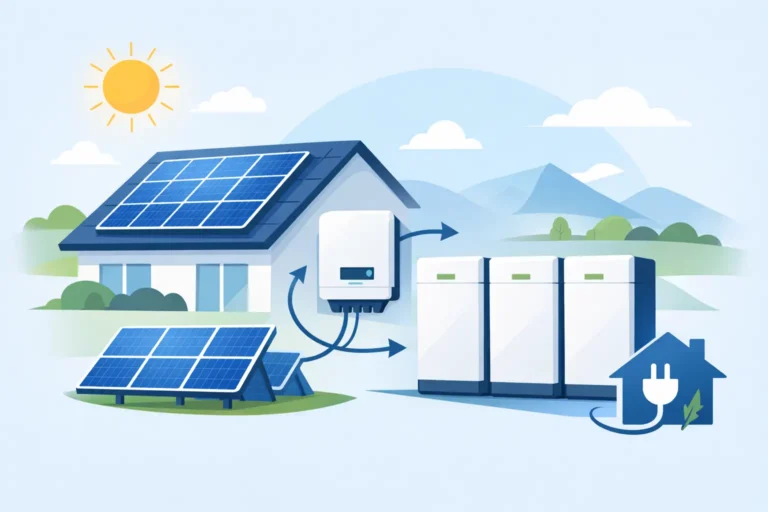
A solar battery stores electricity generated by your solar panels or drawn from the grid at cheaper times. When configured with a backup-capable inverter, it can supply selected circuits – or, in some designs, the whole property – during an outage. It works automatically, usually within seconds, and can recharge from solar when the sun is available.
A generator produces electricity by burning fuel, commonly petrol, diesel or LPG. It may be portable or permanently installed, with manual start or automatic changeover. Generators can provide substantial power for as long as they have fuel, but they require regular servicing, safe fuel storage and a suitable place to operate.
That distinction shapes almost every comparison. A battery is an energy storage system that can support your home every day. A generator is primarily an on-demand power source for the times the grid is unavailable.
Backup performance during an outage
A correctly designed battery system can keep essential appliances operating without interruption or with only a brief changeover. This may include lights, fridges, internet equipment, selected power points, a garage door and some heating or cooling loads. The exact list depends on the battery capacity, inverter output and the backup circuits included in the design.
It is worth being precise here: solar panels alone do not usually power a home during a blackout. Standard grid-connected solar systems shut down for safety when the grid fails. To use solar power in an outage, you need a battery and compatible backup equipment designed to isolate your property safely from the network.
A generator can run more demanding equipment if it is sized appropriately. This can be useful for a rural property with pumps, workshop machinery, refrigeration or other high-starting-load appliances. However, a smaller portable generator may only support a limited number of appliances, and you need to manage what is switched on at any one time.
For an outage lasting several days, solar can keep replenishing a battery during daylight hours. That makes a well-designed solar and battery system particularly valuable when usage is managed carefully. Consecutive cloudy days, winter production and heavy overnight consumption can reduce available backup time, so capacity planning matters.
Cost is more than the purchase price
A portable generator generally has a lower upfront cost than a home battery. For occasional short outages, that difference can make a generator appealing. Yet the initial price does not reflect fuel, servicing, oil changes, replacement parts, noise control or the effort involved in setting it up when you need it.
A permanently installed standby generator with automatic transfer capability can be a significant investment. It may also need electrical works, ventilation, a concrete pad, fuel connection and approvals depending on the site. For critical commercial operations, those costs can be justified by the value of avoiding downtime.
A solar battery costs more upfront, especially where a switchboard upgrade or backup configuration is required. Its financial value is broader, though. It can store excess solar energy for evening use, reduce grid imports and help households use more of the energy their rooftop system generates. Depending on your electricity tariff and consumption pattern, that daily contribution can support the long-term value of the investment.
The most useful way to assess cost is to compare the system against your actual needs. If you experience one short blackout every few years, a battery purchased solely for backup may be difficult to justify financially. If you already have solar, use significant electricity after sunset and want dependable backup, a battery can deliver value well beyond emergencies.
Noise, emissions and everyday convenience
A battery is quiet, automatic and produces no exhaust at the property. It can sit neatly in an appropriate garage, utility area or external location, subject to installation requirements. For suburban homes, particularly those with close neighbours, that convenience is a major advantage.
Generators need ventilation because they produce exhaust gases, and they must never operate in a garage, enclosed area or near doors, windows and vents. They also create noise. Even a quality unit can be disruptive overnight, while a larger diesel generator may require acoustic treatment to meet site and neighbour considerations.
Fuel management is another practical issue. Petrol and diesel degrade over time, and stored fuel creates safety considerations. LPG may be easier to store for some properties, but it still requires a reliable supply. A battery avoids those tasks, although it does rely on good system design and enough stored energy for the loads you want to protect.
Maintenance and reliability
Both options need care, but the work looks very different. A battery system has no engine, fuel filters or oil to change. It should be installed by qualified professionals, monitored where supported, and checked as part of normal electrical and solar system maintenance. Battery warranties and expected service life should be part of the purchase discussion, along with the usable capacity rather than just the headline capacity.
A generator should be run and tested regularly, not left untouched until an emergency. Batteries can go flat, fuel can deteriorate and a generator that has not been serviced may fail at the worst possible moment. If it is part of a business continuity plan, establish a maintenance schedule and ensure staff know how to operate it safely.
For homes in Canberra and across regional NSW, weather and location can influence the decision. A remote site with frequent, lengthy outages may need the extended runtime a generator provides. A suburban household dealing with brief network interruptions may place more value on silent, automatic battery backup.
Choosing the right system size
Battery sizing starts with the appliances you want to run and when you use them. A family that wants refrigeration, lighting, internet, a few power points and modest evening consumption has a very different requirement from a home trying to back up ducted air conditioning, electric cooking, pool pumps and EV charging.
Generator sizing also requires more than adding appliance wattages. Motors in pumps, fridges and air conditioners can draw a higher surge current when starting. An undersized generator may trip or struggle, while an oversized unit can waste fuel and increase capital cost.
Before choosing either option, gather a few practical details: your electricity bills, current solar system size, typical evening usage, appliances that are essential in an outage, how long outages usually last, and whether you expect future loads such as an electric vehicle or electric heating. These details turn a generic quote into a solution that suits the property.
When a hybrid approach makes sense
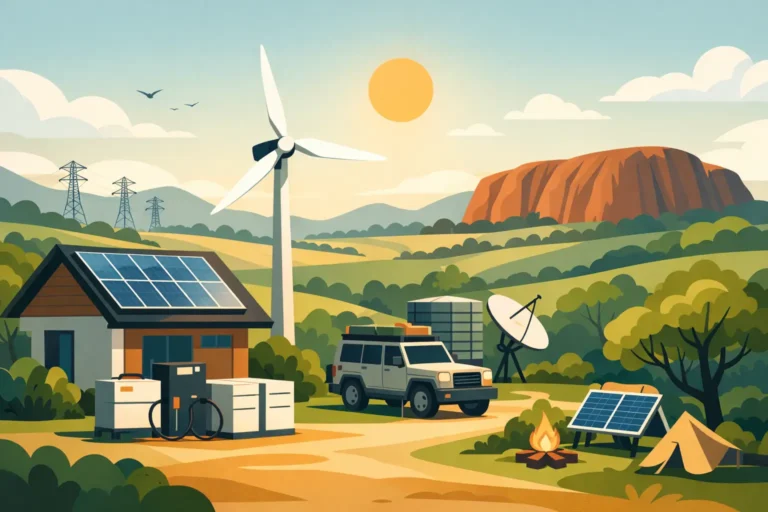
For some properties, the best answer is not battery or generator, but both. A battery can handle short outages quietly and reduce electricity costs throughout the year. A generator can act as a secondary source for rare extended outages, recharge batteries where the system allows, or support large loads that would make a battery-only system unnecessarily expensive.
This approach is common for off-grid and remote applications, where energy resilience matters as much as bill savings. It can also suit businesses that cannot afford to lose refrigeration, communications or key equipment. The system needs to be designed carefully so equipment operates safely together and backup priorities are clear.
Make the decision around your real power needs
Choose a solar battery if you want quieter automatic backup, greater solar self-consumption and a system that works for you every day. Choose a generator if lower initial cost, high power output or very long runtime is the priority. Consider a combined solution when your property faces extended outages or has critical loads.
An honest assessment should include the loads you cannot do without, not just the appliances you would like to keep on. IMS Energy can help turn that assessment into a tailored solar and battery plan, with the right backup level for your home, business or regional property. The best backup system is the one you understand, can rely on and will still value long after the next outage has passed.