A bigger solar system is not always a better one. We see homeowners focus on panel count first, then realise later the real question is how to size home solar around daily usage, roof layout, future plans and the way electricity is billed. Get that part right, and your system is far more likely to deliver the savings and reliability you expect.
The good news is that sizing solar is not guesswork. It comes down to matching generation to your household’s actual energy habits, while leaving room for practical limits such as roof space, shading, budget and network rules.
What how to size home solar really means
Sizing a home solar system is about working out how much electricity you use, when you use it, and how much of that energy a solar system can realistically cover. It is not just a matter of choosing a 6.6 kW or 10 kW system because that is what a neighbour installed.
Two homes on the same street can need very different systems. One family may be out during the day and use most of their power at night. Another might work from home, run air conditioning through the afternoon and have an electric hot water system set to heat in daylight hours. Their ideal solar size will not be the same, even if their quarterly bills look similar.
That is why a tailored design matters. The right size sits at the intersection of energy use, roof design, tariff structure and your longer-term goals.
Start with your electricity usage
Your electricity bill is the best place to begin. Look for your daily average usage in kilowatt-hours, usually shown as kWh per day. If you can review a full 12 months of bills, even better. That gives a more accurate picture across summer and winter.
For example, if your home uses 20 kWh a day on average, you are not looking for a system that simply produces 20 kWh every day of the year. Solar output changes with season, orientation, weather and location. A system in Canberra or regional New South Wales may perform differently from one on the coast, even with the same panels and inverter.
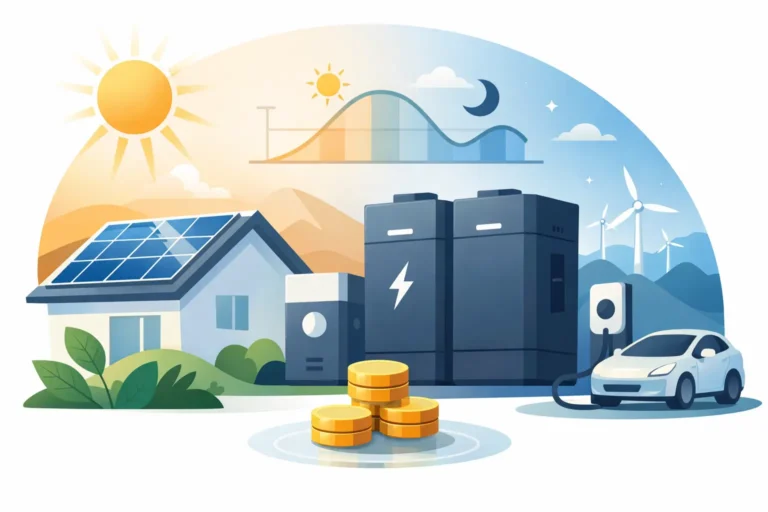
It also helps to separate total usage from daytime usage. Solar produces most of its energy in the middle of the day. If most of your consumption happens after sunset, a larger solar system alone may not solve the problem. In that case, battery storage, load shifting or both might be part of the conversation.
How to estimate the right solar system size
A practical way to size solar is to look at your daily usage and compare it with likely daily generation. In many parts of Australia, a well-positioned 6.6 kW system might generate roughly 24 to 28 kWh on a good average day across the year, though local conditions can move that number up or down.
That does not mean every household using 25 kWh a day should install 6.6 kW. The better question is how much of that solar energy you will actually use yourself. Self-consumed solar is usually where the strongest savings come from, because the value of avoiding grid electricity is often higher than the value of exporting excess power.
If you use a solid amount of electricity during daylight hours, a system that covers most of your daytime demand and some export can make excellent sense. If you are rarely home during the day, you may still benefit from solar, but the sizing strategy should account for lower self-consumption.
This is where many online rules of thumb fall short. They can be useful for a first estimate, but they do not account for your exact roof pitch, shade from nearby trees, appliance load, future battery plans or whether your distributor places export limits on your connection.
Your roof matters more than most people expect
The roof is not just where the panels go. It directly affects how well the system performs. North-facing panels generally offer strong output in Australia, but east and west-facing arrays can also be a smart choice, especially when households use more power in the morning and late afternoon.
A split-array design often makes more sense than trying to force everything onto one section of roof. It can spread generation more evenly through the day and improve self-consumption. On the other hand, heavy shading, awkward roof geometry or limited usable area may restrict the size that can be installed efficiently.
This is one reason why two homes with identical electricity use can end up with different solar recommendations. Good system sizing is not just about the bill. It is also about what your property can support without compromising safety, performance or street appeal.
Think about future electricity needs
One of the most common sizing mistakes is designing for today and forgetting what is coming next. If you are planning to buy an electric vehicle, install a pool pump, switch from gas to electric cooking, or add ducted air conditioning, your energy use may rise sharply.
In that case, slightly oversizing your solar system can be a sensible investment, provided your roof and budget allow for it. The same applies if you expect to add a battery later. A system designed with battery readiness in mind can save headaches down the track.
There is a balance here. Oversizing too far can leave you exporting large amounts of low-value electricity. Undersizing can mean missed savings and an upgrade sooner than expected. The right answer depends on how confident you are about those future changes.
Batteries change the sizing conversation
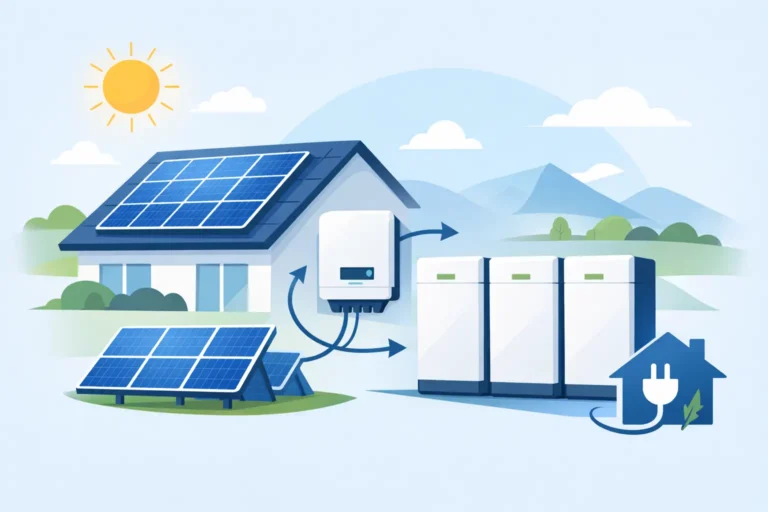
If you are also considering battery storage, the solar system should not be sized in isolation. The panels need to generate enough energy to cover daytime use and still leave surplus solar to charge the battery. Otherwise, the battery may not perform as expected.
Battery sizing is another separate calculation. A household using 10 kWh overnight does not automatically need a 10 kWh battery, because backup preferences, discharge limits and seasonal generation all come into play. Some customers want blackout support for essentials only. Others want deeper energy independence.
For homes in regional areas or properties with resilience concerns, battery-ready design can be especially worthwhile. It gives you more flexibility as energy prices shift and household needs change.
Why the cheapest quote can be the wrong size
Low-cost quotes often look attractive because they simplify the decision. A standard package with a familiar system size may seem easy to compare, but standard packages are not always designed around your usage profile.
Sometimes the system is too small to make a meaningful difference. Sometimes it is larger than your roof orientation or export allowance can justify. And sometimes the components are selected to hit a price point rather than support long-term performance.
Sizing is where honest advice matters. A good installer should explain why a certain system size suits your home, what assumptions sit behind the forecast savings, and where the trade-offs are. Premium equipment only delivers value when the design itself is right.
A better way to approach how to size home solar
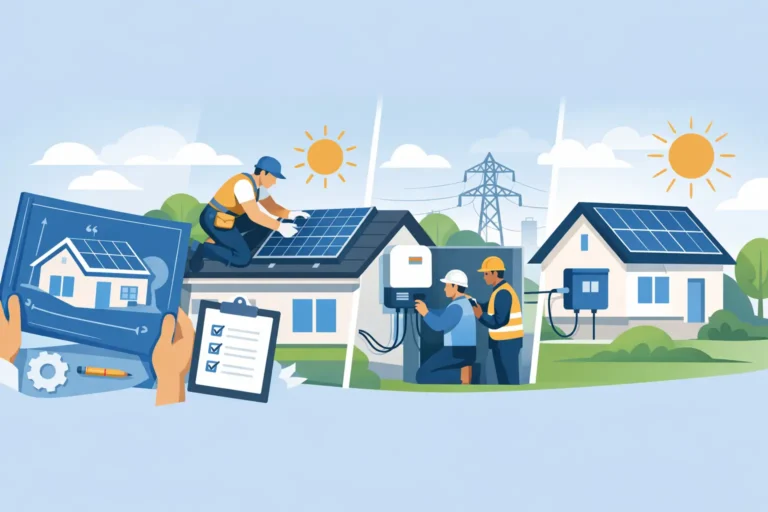
The most reliable process is to combine your usage data with a proper site assessment. That means reviewing bills, discussing household habits, checking roof dimensions and orientation, looking at shade, and understanding whether you want battery storage now or later.
For businesses, the same principle applies but with a sharper focus on daytime loads, operating hours and return on investment. A workshop, office and agricultural site may all have completely different load profiles, even if annual usage is similar.
This is where tailored design earns its keep. At IMS Energy, that often means helping customers weigh immediate bill reduction against future flexibility, rather than pushing a one-size-fits-all answer.
So what size system do most homes need?
Many Australian homes land somewhere between 6.6 kW and 13.2 kW, but that range is only a starting point. A smaller household with modest daytime use may do well with less. A larger family home with electric appliances, cooling needs and future EV charging may benefit from more.
The better question is not what most homes need. It is what your home needs, based on real usage and realistic system performance.
If you want a quick sense check, start with a year of bills and ask three straightforward questions. How much power do you use, when do you use it, and what is likely to change over the next few years? Those answers will take you much closer to the right system than any generic package ever will.
Solar works best when it is designed around the people living with it. Get the sizing right, and the system feels less like a product on the roof and more like a long-term energy asset working quietly in the background.