When the lights go out, the real question is not whether you have power, but how much of your life or business you need to keep moving. For many Australians, backup power for blackouts is no longer a nice extra. It is becoming part of practical energy planning, especially for households with young families, regional properties, home offices, refrigerated medicines, or businesses that cannot afford downtime.
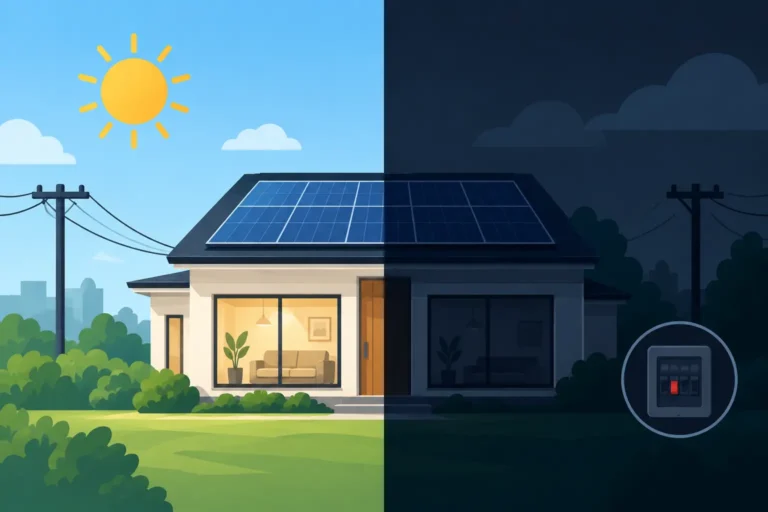
The challenge is that not all backup systems work the same way. Some can run a few essentials for hours. Others can support larger loads or longer outages. And some solar systems, despite what people expect, will switch off during a blackout unless they have the right battery and backup setup in place.
Why backup power for blackouts matters more now
Grid outages can happen for different reasons – storms, bushfire risk, network faults, planned maintenance, or peak demand pressure. In parts of regional New South Wales and around Canberra, customers can feel that risk more sharply because restoration times may stretch longer than they do in dense metro areas.
That matters at home and at work. A short outage might just be inconvenient if it affects lighting and Wi-Fi. A longer one can mean spoiled food, loss of heating or cooling, security concerns, interrupted trade, and expensive downtime. For some businesses, even a one-hour interruption can affect POS systems, refrigeration, internet-based operations, or customer service.
This is where tailored advice matters. Backup power should match what you actually need to protect, not what sounds good on a brochure.
The main options for backup power
Most homes and businesses looking at blackout protection are choosing between battery storage, a generator, or a hybrid setup that combines solar and battery technology. Each has strengths, and each comes with trade-offs.
Solar battery backup
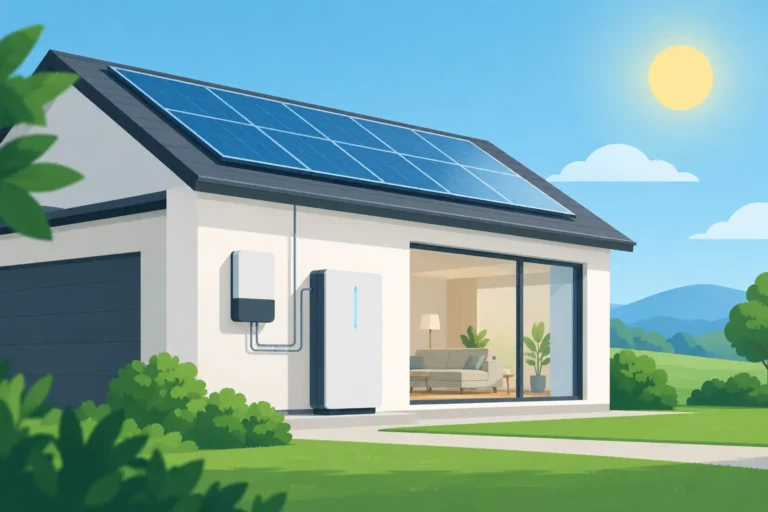
A battery system stores energy for use when the grid is unavailable or when power prices are high. If the battery is configured for backup, it can automatically supply selected circuits during an outage. That usually includes essentials such as lights, the fridge, internet, selected power points, and sometimes a garage door, medical equipment, or a small air conditioner depending on system design.
The big advantage is convenience. There is no refuelling, no manual startup, and no engine noise. A well-designed battery system can also reduce power bills every day, not just during blackouts, by storing excess solar and using it later.
The trade-off is capacity. Batteries are excellent for critical loads, but they are not unlimited. If you want to run ducted air conditioning, electric hot water, pool pumps and the oven all at once during a blackout, the system size and cost can rise quickly.
Generators
Generators are still a practical option in some situations, particularly for larger commercial loads, rural properties, or sites where long outages are common. They can deliver significant power for extended periods as long as fuel is available.
They do, however, come with more hands-on management. Noise, maintenance, fuel storage and startup requirements all need to be considered. Some standby generators offer automatic transfer, but the overall experience is generally less streamlined than a battery system.
For customers who want cleaner day-to-day energy savings as well as blackout protection, generators often feel like a partial solution rather than a complete one.
Hybrid solar and battery systems
For many Australian homes and businesses, this is the most balanced option. A hybrid setup allows solar to generate power during the day, a battery to store surplus energy, and backup functionality to support selected loads when the grid fails.
This approach can improve energy independence and give you better value from your solar investment. During daylight hours in an outage, your solar may continue helping to recharge the battery and support loads, depending on the inverter and system configuration. That can extend your backup window well beyond what a battery alone might offer overnight.
The biggest misconception about solar and blackouts
One of the most common misunderstandings is that solar panels automatically keep working in a blackout. In most standard grid-connected systems, they do not. For safety reasons, the inverter shuts down when the grid goes down.
To have backup power for blackouts, you usually need a battery and an inverter with blackout backup or EPS capability, along with the right switchboard setup. That setup determines what circuits are backed up and how smoothly the transition happens.
This is why system design matters. It is not just about adding panels to the roof. It is about planning how the whole system behaves when conditions change.
How to choose the right backup setup
The best place to start is with your critical loads. Ask what absolutely needs to stay on during an outage, what would be nice to keep running, and how long you need that support for.
For a family home, essentials might include refrigeration, lighting, mobile charging, internet, and a few key appliances. For a regional property, water pumps may be non-negotiable. For a business, it could be refrigeration, alarm systems, servers, EFTPOS, office equipment or workshop machinery.
Duration matters just as much as power. If outages in your area are usually brief, a smaller battery for essentials may be enough. If you regularly experience longer interruptions, you may need more storage, greater solar generation, or a generator included in the plan.
Budget is another part of the equation. A larger backup system gives more coverage, but there is no value in overspending on capacity you rarely use. Good advice should balance resilience, savings and practical return on investment.
What businesses should consider
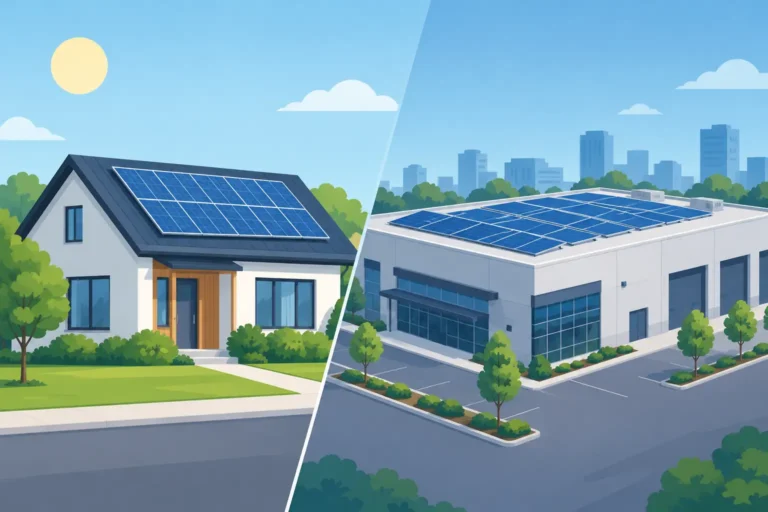
Commercial backup planning is rarely one-size-fits-all. A café, medical practice, warehouse and rural workshop all have very different outage risks.
In a business setting, the cost of lost trading can justify a more capable solution. That might mean backing up critical systems only, rather than the entire site, to keep capital costs under control while protecting operations that matter most.
There is also a brand and service element. Customers remember when a business can continue operating during local disruptions. Staff feel it too. Reliability becomes part of how your business is perceived.
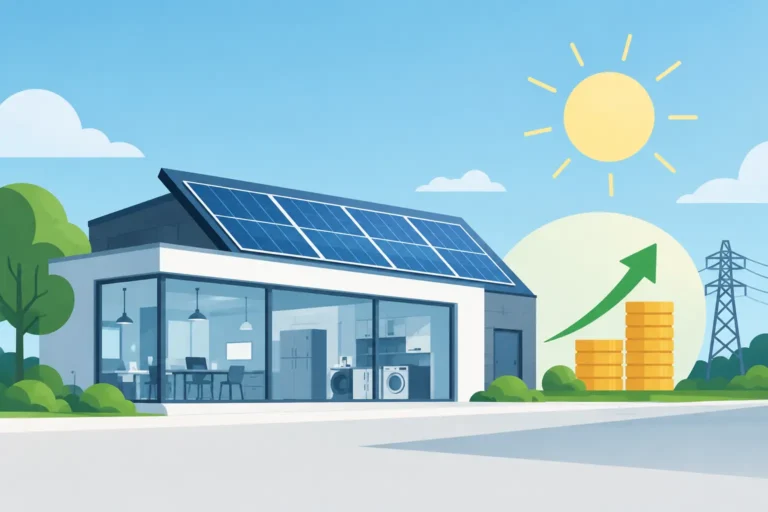
For some sites, battery backup also supports broader goals around sustainability, lower operating costs and reduced reliance on volatile grid pricing. That makes it easier to justify the investment over the long term.
Installation quality matters as much as the equipment
A premium battery or inverter is only part of the picture. Backup performance depends on careful system design, proper load assessment, compliant installation and clear handover.
This is where many customers benefit from working with an installer who looks at the property, your usage patterns and your goals before recommending a system. The right advice should be specific. It should explain what will stay on, what will not, how long backup may last, and what affects that runtime.
That level of planning is especially important when integrating premium products such as Tesla, Hinen or other battery solutions into an existing or new solar setup. Hardware quality matters, but matching it to the site matters just as much.
Is backup power worth it?
For some customers, the answer is clearly yes. If blackouts put your comfort, safety, productivity or stock at risk, backup power can move from optional to essential very quickly.
For others, the decision depends on how often outages happen and what level of disruption feels acceptable. If your area has reliable grid supply and your main priority is bill savings, a standard solar system may still be the best first step. You can often plan for battery readiness later, depending on the system chosen.
What matters is making that decision with realistic expectations. Backup power is not about buying the biggest system possible. It is about choosing the setup that fits your property, your risk level and your budget.
A good backup solution should feel reassuring, not complicated. When it is designed properly, you are not left guessing what happens when the next outage hits. You know which loads are covered, how your system responds, and where your investment is delivering value every day – not just when the grid lets you down.