A solar panel can look much like the next one from the footpath, yet the difference becomes clear over years of heat, rain, wind and daily power production. Finding the best solar panels Australia has to offer is less about chasing a single brand or headline efficiency figure and more about choosing equipment that suits your roof, energy habits and plans for the future.
For a household trying to bring down bills, or a business looking to reduce operating costs, the right system is one that performs reliably for decades. That calls for honest advice, quality products and a design built around the property rather than a pre-set package.
What makes the best solar panels in Australia?
Australia is one of the world’s strongest solar markets, and for good reason. We have abundant sunshine, but we also have tough conditions. High temperatures, hail, salt air near the coast, dust, heavy rain and strong winds can all affect how a solar system performs over its lifetime.
The best panel is not automatically the most expensive one, nor the panel with the highest efficiency rating. It is a panel from a reputable manufacturer, with proven quality controls and warranties, installed as part of a system designed properly for the site.
Panel efficiency matters most where roof space is limited. A higher-efficiency panel can generate more electricity from each square metre, making it useful on smaller suburban roofs or commercial sites with restricted usable area. If there is plenty of clear roof space, however, a slightly lower-efficiency panel may still provide excellent value when paired with the right inverter and system size.
Output in hot weather also deserves attention. Solar panels are tested under standard laboratory conditions, but rooftops in Canberra, regional NSW and across the country can become much hotter in summer. A panel’s temperature coefficient indicates how much output falls as temperatures rise. A lower figure generally means better performance in heat, though it should be assessed alongside panel quality, price and expected annual generation.
Look beyond the panel label
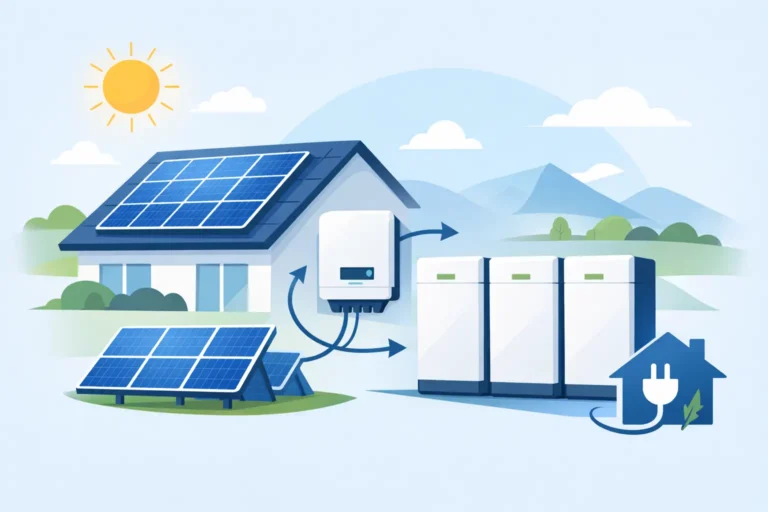
A solar panel does not work alone. Your inverter converts the panels’ direct current power into usable electricity, while the mounting system secures everything to the roof. System design determines how well the equipment works together, especially where there is shade, multiple roof angles or varying energy use through the day.
This is why a low-priced package with premium-sounding panels can be a false economy. It may use a smaller inverter, limited roof design work, basic monitoring or equipment that is poorly matched to your household’s needs. The upfront saving can be outweighed by lower generation, limited expansion options and more difficulty accessing support later.
When comparing proposals, ask what is included in the complete system: panel model, inverter model, mounting hardware, monitoring, workmanship warranty, electrical work and any switchboard upgrades required. A clear quote should make this easy to understand.
For many properties, panel placement is just as important as panel brand. North-facing panels traditionally deliver strong midday production, but east and west-facing arrays can be highly valuable for families using power in the morning and afternoon. A tailored design may split panels across roof aspects to better match when you actually consume electricity.
Tier 1 is not a complete answer
The term ‘Tier 1’ is often used in solar advertising, but it can be misunderstood. It refers to a manufacturer’s bankability in a financial industry classification, not a consumer product rating or guarantee that every panel model is equal.
It can be one useful sign that a manufacturer is established, but it should not be the deciding factor. Check the specific panel model, its product and performance warranties, the supplier’s local support arrangements and the experience of the installer standing behind the work.
Warranties that are worth comparing
Solar panels commonly come with two different warranties. The product warranty covers faults in the panel itself, while the performance warranty states how much generation capacity the panel should retain over time.
A long performance warranty is reassuring, but the details matter. Look at the warranted output after 25 or 30 years, the annual degradation rate and who will assist if an issue arises. A warranty is only useful if the manufacturer and installer are accessible when you need them.
Installation workmanship should be treated with the same care. A well-made panel can still underperform if cabling, roof penetrations, mounting or electrical connections are not completed properly. Choosing an experienced installer who takes responsibility for the whole system provides more confidence than buying components separately and hoping they work together.
Choosing panels for your energy goals
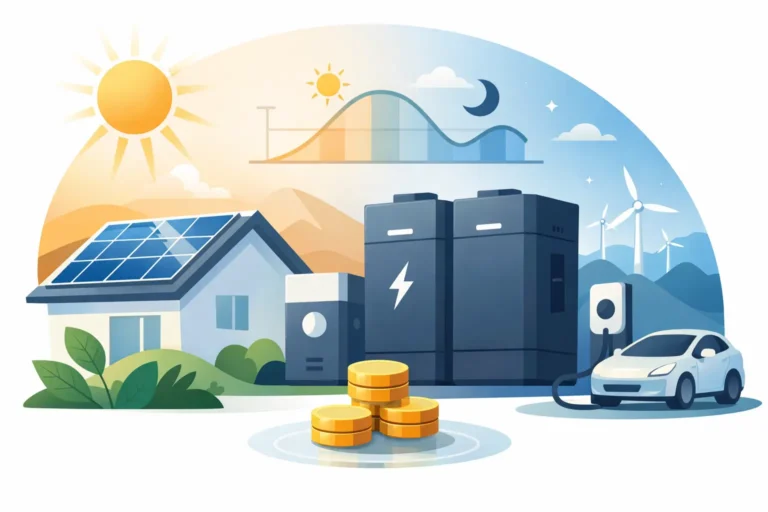
The right panels depend on what you want solar to achieve. A household with high daytime use may benefit most from a well-sized grid-connected system that powers appliances while the sun is up. A family that is out during the day may still gain from solar, but could benefit from planning for battery storage, load shifting or future electric vehicle charging.
For a business, the focus is often on matching solar generation to daytime operations. Offices, workshops, farms, retail sites and other commercial premises can use a significant portion of solar power directly, reducing the amount of electricity purchased from the grid. Roof area, three-phase power, operational hours and future growth all need to be considered before selecting panel capacity.
Remote and off-grid properties require another level of planning. Panels must be sized with batteries, backup generation and seasonal energy use in mind. In these situations, choosing the ‘best’ panel is only one part of building dependable power supply. System resilience, battery capacity and sensible energy management are equally important.
Premium equipment should suit the design
Well-regarded manufacturers such as LONGi offer high-quality panel options for a range of applications. But the best result comes from selecting the model that fits the available roof space, budget and generation target, rather than choosing a name alone.
The same principle applies when adding a battery. Tesla and Hinen battery solutions, for example, can support different energy needs, backup preferences and budgets. Batteries do not make sense for every property immediately, but designing the solar system with future battery integration in mind can avoid unnecessary changes later.
A good solar adviser should explain these trade-offs clearly. You should know whether a larger solar array, a battery-ready inverter, improved energy monitoring or a battery itself is likely to make the greatest difference to your bills and energy independence.
Questions to ask before you choose
Before committing to a system, it helps to ask a few direct questions. What annual production is expected from this specific roof? How has shading been allowed for? Which panel and inverter models are being supplied? What warranties apply to the equipment and installation? Can the system be expanded later? And what support is available after installation?
It is also sensible to review your electricity bills over a full year where possible. Summer and winter usage can be very different, particularly for homes with heating, cooling, pools or electric hot water. A proper solar savings estimate should account for your consumption pattern, local sunshine, retail electricity rates and the amount of solar power you are likely to use yourself.
For eligible installations, also confirm that the proposed products meet current Australian requirements and that the installer holds the relevant accreditation. These details protect both system performance and your ability to access applicable incentives.
A tailored system delivers the better result
Solar is a long-term investment in lower energy costs and greater control over where your power comes from. The strongest outcome is rarely found in a one-size-fits-all deal. It comes from a system designed around your roof, your energy use and the way you want to live or run your business.
At IMS Energy, that means taking the time to understand the property before recommending equipment. Whether you are considering rooftop solar in Canberra, across metro or regional NSW, battery backup or an off-grid solution, clear advice at the start helps create dependable savings for years to come.
The best next step is to compare your recent power use with what your roof can produce, then choose a solar partner prepared to explain the numbers in plain language. A considered design now gives you a cleaner, more confident path to energy independence.