A Canberra roof can be frosty on a winter morning and still produce useful solar energy by lunchtime. That is why the question, “are solar panels worth it Canberra homeowners?”, is less about whether the city gets enough sun and more about how well a system is matched to the way your household uses electricity.
For many owner-occupiers, solar is a practical long-term investment. It can reduce the amount of power purchased from the grid, provide a measure of protection from rising electricity costs and make a home better prepared for a future battery. But the strongest results come from thoughtful design, not simply putting the largest possible number of panels on the roof.
Are Solar Panels Worth It in Canberra?
In many cases, yes. Canberra has strong solar potential, with clear skies and plenty of annual sunshine. Cooler temperatures can also help panels operate efficiently, as solar modules generally lose some output when they become extremely hot.
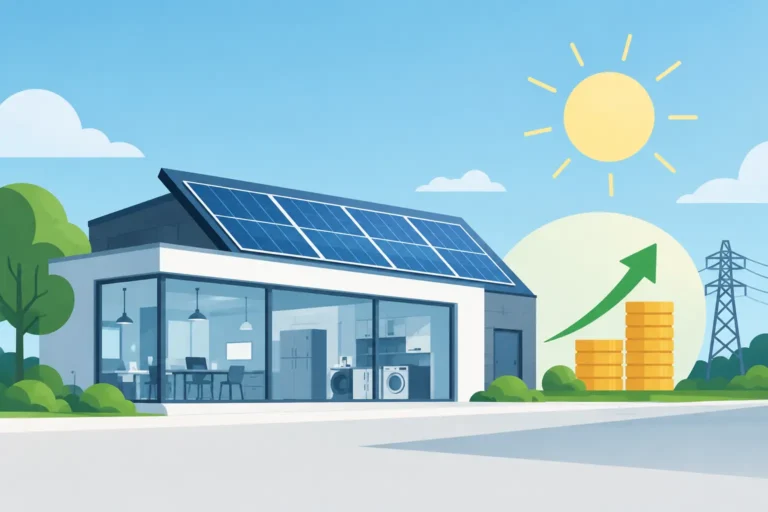
The financial case depends on three things working together: your electricity consumption, when that consumption occurs, and the system selected for your roof. A household that uses power during the day – for air conditioning, home offices, cooking, pool equipment, EV charging or electric hot water – can use more of its solar generation directly. That self-consumed energy is usually where the greatest value sits.
Solar can still make sense for households that are out during weekdays, but it may take more planning. Timers, smart appliances and a battery can shift more of the solar benefit into the hours when you need it. A tailored savings estimate should account for your actual bills and daily routines rather than rely on a one-size-fits-all payback claim.
Why Canberra Conditions Suit Solar
Canberra experiences distinct seasons, which means generation will vary across the year. Summer days tend to deliver strong output, while winter production is lower because daylight hours are shorter and the sun sits lower in the sky. That seasonal change is normal and should be built into the design and savings forecast.
A quality solar system is designed for annual performance, not just a perfect summer day. Roof orientation, pitch, shading from trees or neighbouring buildings, panel placement and inverter sizing all influence the final result. North-facing roofs are often favourable, but east- and west-facing arrays can be highly valuable too, particularly for homes that use more electricity in the morning and late afternoon.
For example, a family with school and work commitments may benefit from panels that capture more of the earlier and later sun. A home with substantial midday demand may be well suited to a more traditional north-facing layout. The right answer depends on the property and the people living in it.
The value of using solar as it is generated
Solar power is most valuable when it offsets electricity you would otherwise buy from the grid. Exporting surplus energy can still provide a credit, but feed-in rates are commonly lower than the retail price of electricity. This is why a system that produces an enormous amount of excess power is not always the best-value system for every household.
The goal is not simply maximum generation. It is a sensible balance between generation, daytime use, future needs and budget. If you are planning to buy an electric vehicle, replace gas appliances with electric alternatives or add a battery later, those plans should be considered from the start.
What Determines Your Savings and Payback?
There is no honest single payback figure for every Canberra home. Electricity plans, usage patterns, roof conditions and equipment choices vary too much. A reliable assessment starts with recent electricity bills and looks beyond total quarterly usage to understand when power is being used.
Your expected savings are shaped by the size of the system, the proportion of solar you use at home, export credits and the ongoing cost of grid electricity. Eligible small-scale technology certificates can reduce the upfront purchase cost of a solar system, although scheme rules and values can change over time. Your installer should clearly explain what is included in the quoted price and any assumptions behind the forecast.
It is also worth looking at the wider return. Solar may improve the appeal of a property, support an all-electric home and reduce exposure to future energy price changes. Those benefits are harder to put into a simple dollar figure, but they matter to many Canberra households.
A smaller system is not always cheaper in the long run
Choosing the cheapest or smallest system can feel sensible at first, but it may limit the savings available over the life of the system. Conversely, installing more capacity than your roof, usage and export arrangements justify can extend the time it takes to see value.
Premium equipment, careful workmanship and an appropriate system layout matter because solar is intended to operate for decades. A low upfront price has less appeal if performance, service or warranty support is uncertain later. Ask about panel and inverter brands, warranty processes, monitoring, roof penetrations and who will be available if you need assistance after installation.
Is a Battery Worth Adding in Canberra?
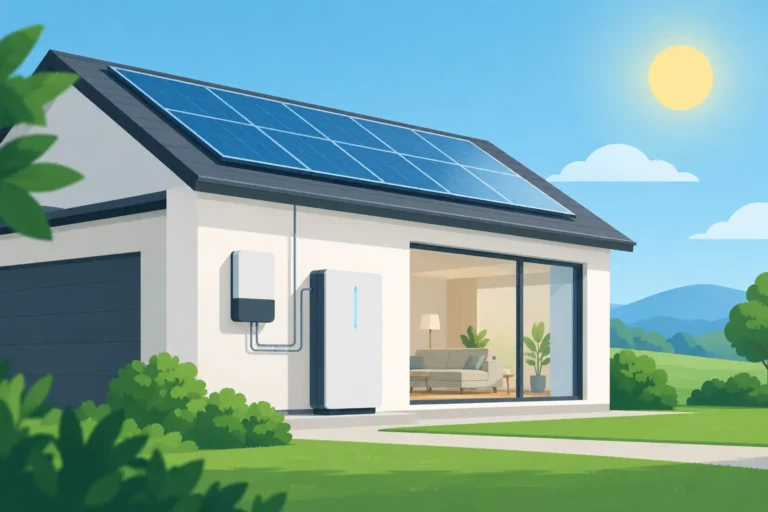
A battery is not essential for solar to be worthwhile. Panels alone can reduce daytime grid purchases and are often the most straightforward first step. A battery becomes more compelling when a household has substantial evening usage, wants to store more of its own generation, or values backup capability during an outage.
The trade-off is upfront cost. Batteries add a significant investment, so their financial return needs to be assessed separately from the solar panels. The best battery size is not necessarily the largest one. It should reflect overnight consumption, solar generation, tariff structure and whether backup power is a priority.
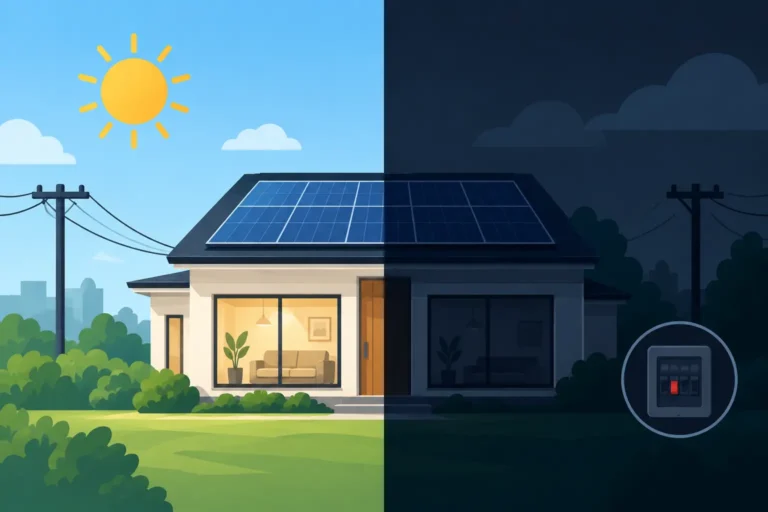
Backup also needs clear discussion. Not every battery system automatically powers the whole home when the grid goes down. Some systems support selected essential circuits, while others can be designed for broader backup. If resilience matters, make that part of the design brief rather than an afterthought.
For households not ready to install a battery immediately, it can be wise to select a battery-ready inverter or leave suitable space in the switchboard and system design. This can make a later upgrade simpler while allowing you to start saving with solar now.
Common Reasons Solar Underperforms
Solar itself is dependable technology, but poor planning can reduce its value. Heavy shading is one of the biggest factors. Shade from a chimney, tree or neighbouring structure can affect more than the panel directly beneath it, depending on the array design and equipment used.
Roof condition is another consideration. If major roof repairs are likely soon, it may be better to complete them before installing panels. A quality installer will assess the roof, electrical infrastructure and access requirements before recommending a system.
Another common issue is a system designed around assumptions that do not match real life. A retired couple at home during the day, a family charging an EV overnight, and a small business operating from 8 am to 5 pm may all need different solutions despite having similar quarterly bills.
Choosing a Solar Partner You Can Rely On
A solar quote should give you confidence, not leave you trying to decode fine print. Look for a provider that asks about your energy goals, inspects the property properly and explains the practical trade-offs in plain language. The design should suit the roof, budget and electricity habits, while allowing for likely changes such as an EV, electric heating or battery storage.
IMS Energy takes this tailored approach, combining quality equipment with honest, face-to-face guidance for homeowners and businesses. The focus should be on a system that continues to make sense after installation day, supported by clear advice and dependable service.
A worthwhile solar decision starts with your own energy story: your bills, your roof, your plans and the way you want to live or operate in the years ahead. With those details on the table, it becomes much easier to choose a system that delivers practical savings and confidence for the long term.