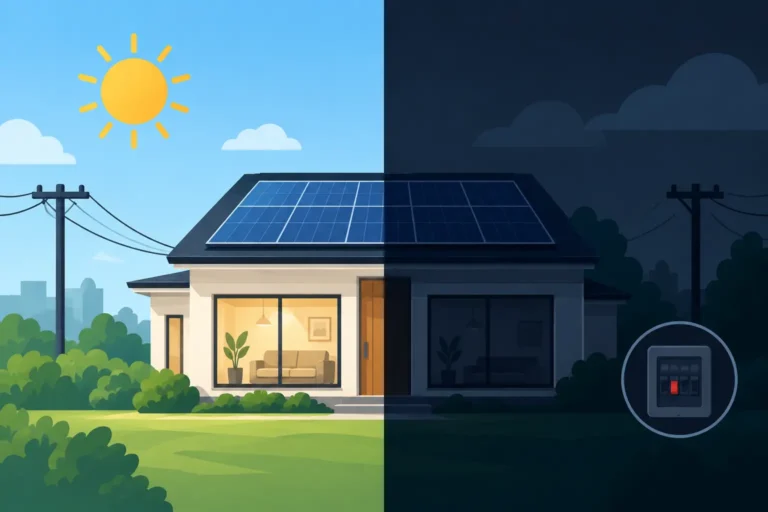
A remote home can look perfectly suited to solar, right up until several cloudy winter days, a water pump and a full house put the system under pressure. Learning how to plan off grid power properly starts with that reality: an off-grid system must supply your energy when the sun is not shining, not simply produce impressive figures on a bright summer afternoon.
For homes, farms, sheds, workshops and remote commercial sites, off-grid solar can deliver genuine independence from rising electricity costs and unreliable network connections. It also requires more careful planning than a standard grid-connected system. The right design is based on how you live or operate, the site conditions, seasonal weather and the level of backup you are comfortable with.
How to Plan Off Grid Around Your Actual Energy Use
The most useful first step is to understand your electrical loads. Do not begin with the number of solar panels that will fit on the roof. Begin with what needs to run, how long it runs for and when it runs.
A simple energy audit should include everyday appliances such as refrigeration, lighting, cooking, washing, heating and cooling, as well as less obvious loads. Bore pumps, pressure pumps, pool equipment, electric gates, workshop tools, irrigation, satellite internet and electric hot-water systems can all have a significant impact on system size.
For each item, estimate its power draw in watts and the hours it operates each day. This gives you daily energy use in kilowatt-hours, or kWh. A 1,000-watt appliance running for one hour uses 1 kWh. Bills from a previous property can be helpful, but they are not always an accurate guide if your household habits, appliances or building design are changing.
Just as important is peak demand. A battery may hold enough energy for the day but still struggle if an induction cooktop, pump, air-conditioner and power tools start at once. Your inverter must be sized to manage these momentary high loads safely. This is why an honest discussion about lifestyle and operating habits matters as much as equipment selection.
Design for Winter, Not Just Summer
Australian solar production changes considerably across the year. A system that produces more than enough energy through long summer days may have a much tighter margin in winter, particularly in regional areas with fog, cloud cover, frost or shading from nearby trees and hills.
A dependable off-grid design uses the lower solar months as its benchmark. It allows for panel orientation, local weather patterns, battery charging losses and the gradual reduction in panel output over time. Oversizing the solar array can be a sensible investment because it helps recharge batteries earlier in the day and provides useful capacity during poor weather.
Roof direction matters, but it is not the only consideration. A north-facing array is generally favourable in Australia, while east and west-facing panels can extend production across the morning and afternoon. Ground-mounted arrays may offer more flexibility where roof space is limited or where the roof is shaded. They do, however, need secure mounting, clear access and protection from damage by livestock, vehicles or vegetation.
Shade deserves close attention. Even partial shade from a chimney, tree branch or antenna can affect output, depending on the system configuration. Assess the site across different times of day and seasons before finalising the design. Removing or trimming vegetation may help, but only where it is practical, permitted and sustainable.
Size the Battery for Resilience
Batteries are the heart of an off-grid system because they carry your home or business through the evening and periods of low solar production. Battery capacity should be based on usable energy, not simply the largest figure on a brochure.
The appropriate level of storage depends on your daily consumption and the autonomy you want. Autonomy means the number of days the system can support essential or normal loads without meaningful solar generation. Some properties are comfortable with one day of stored energy and a generator for extended bad weather. Others need several days of autonomy because access is difficult, operations cannot stop or generator use is undesirable.
More battery capacity improves resilience, but it increases upfront cost. It may also require a larger solar array to reliably recharge it. A balanced design is usually better value than buying the biggest battery possible without considering the entire system.
It is also worth separating essential loads from discretionary loads. Refrigeration, lighting, communications, pumps and medical equipment may need priority during a prolonged cloudy period. High-consumption appliances such as electric heaters, clothes dryers and large air-conditioners can be managed more carefully. This does not mean living uncomfortably. It means designing a system that suits the way you want to live, with clear expectations for rare low-generation periods.
Plan a Sensible Backup Power Option
A generator is not a sign that an off-grid solar system has failed. In many Australian off-grid settings, it is a practical insurance policy. A quality backup generator can recharge batteries during extended wet weather, cover unusual peak demand or support essential operations while maintenance is carried out.
The goal is not to run a generator every week. A well-designed solar and battery system should minimise generator use under normal conditions. But planning for the occasional difficult week can prevent the cost and frustration of an undersized system.
Generator choice depends on fuel availability, load requirements, noise limits and how often it is likely to operate. Automatic generator start can be worthwhile for remote properties, critical equipment or sites that are not occupied every day. Fuel storage, ventilation, servicing access and safe changeover arrangements should all be considered early rather than added as an afterthought.
Reduce Loads Before You Add More Solar
Energy efficiency often delivers the cheapest improvement to an off-grid plan. Every unnecessary kilowatt-hour avoided reduces the solar generation and battery storage you need to buy.
Start with efficient refrigeration, LED lighting and appliances with sensible energy ratings. Use heat-pump hot water where appropriate, and schedule high-energy activities for daylight hours when solar generation is available. Running a dishwasher, washing machine, bore pump or workshop equipment during the middle of the day can reduce battery cycling significantly.
Heating and cooling need particular care. Reverse-cycle air-conditioning can be efficient, but a poorly insulated building can still demand a large system. Insulation, draught sealing, external shading, ceiling fans and thoughtful building orientation can reduce energy needs before you spend more on batteries and panels.
For new builds, talk about off-grid energy while the plans are still flexible. Choices around electric cooking, hot water, pool heating, pumping and building materials have lasting consequences for the system size and budget.
Allow for Site Works, Safety and Future Growth
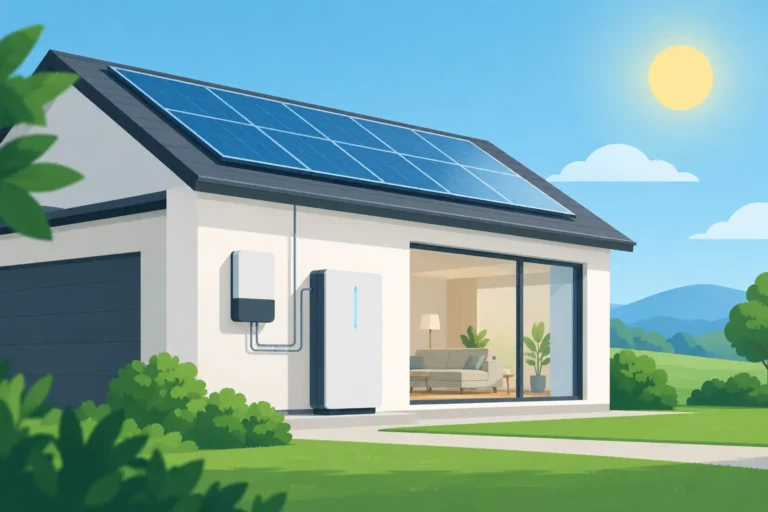
An off-grid system is more than panels and batteries. It needs an appropriate location for equipment, safe cable runs, switchboards, earthing, monitoring and protection devices. Battery and inverter placement must account for ventilation, weather exposure, access for servicing and manufacturer requirements.
Remote sites can also add practical costs. Trenches may be needed between a solar array and the building. A long cable run can affect design and cost. Steep access, difficult soil, bushfire-prone conditions and transport limitations may all influence the installation approach.
Check local planning requirements and any relevant building, electrical or fire-safety obligations before committing to equipment. A qualified designer and installer can identify these issues early, including whether a new build needs allowances in the electrical layout for off-grid operation.
Think ahead as well. A growing family, an electric vehicle, a new shed, expanded irrigation or additional business equipment can change your energy profile quickly. It is not always necessary to install every panel or battery on day one, but choosing equipment and infrastructure that can be expanded may protect your investment.
Build a Budget Around Long-Term Value
Off-grid solar is a substantial infrastructure investment, so the cheapest quote is rarely the best comparison. Look at the complete design: solar capacity, usable battery storage, inverter capability, backup generation, installation scope, monitoring, warranties and after-sales support.
Premium equipment can cost more initially, yet quality components, correct installation and a tailored design can reduce avoidable downtime and replacement costs. Ask how the proposed system performs in winter, what loads it can support at once, how it manages poor weather and what service support is available after installation.
For homeowners and businesses across Canberra and regional NSW, a site-specific assessment is especially valuable. Local conditions, travel access and usage patterns vary widely, and a generic package cannot account for all of them. IMS Energy approaches off-grid planning as a complete power solution, with the system designed around the property rather than a sales target.
The best off-grid system is not the one with the most panels or the largest battery. It is the one that gives you reliable power, clear operating expectations and confidence that your home or business can keep moving when the grid is not an option.