Canberra households know what power bills can do over a hot summer or a freezing winter. Heating, cooling and daily appliance use can push usage up quickly, which is why more homeowners are comparing residential solar installers Canberra residents can rely on for real savings, not just a flashy quote.
The catch is that solar is only good value when the system suits the home. A cheap package that looks fine on paper can underperform for years if the panel layout is wrong, the inverter is undersized or shading has been ignored. Choosing the right installer matters just as much as choosing the right equipment.
What sets good residential solar installers in Canberra apart
A strong installer does more than put panels on a roof. They look at how your household uses electricity, when you use it, how your roof is positioned and whether a battery makes sense now or later. That planning stage is where long-term value is built.
Canberra homes are not all the same. A north-facing roof with minimal shade has very different potential from a home with multiple roof sections, tall nearby trees or limited usable space. Good installers will tell you what is possible, but they should also tell you what is not worth doing. Honest advice is often the clearest sign you are dealing with a provider focused on outcomes rather than quick sales.
The better companies also think beyond installation day. Warranties, workmanship, monitoring support and after-sales service all matter because solar is a long-term investment. You want a team that will still answer the phone if you have a question in two years, not just two days.
Why Canberra homes need a tailored solar design
Canberra’s climate creates a fairly specific solar conversation. There is excellent sun available, but homes also deal with cold winters, strong seasonal changes in energy use and growing interest in electrification. If you are running reverse-cycle heating, charging an EV or planning to move away from gas, your future usage can look very different from your current bill.
That is why tailored design matters. A system sized only around last quarter’s electricity usage may be too small once your household adds an electric hot water system or a battery. On the other hand, going too large without checking export limits, roof layout or budget can stretch payback further than necessary.
A well-designed system balances what your home needs now with what it is likely to need next. That means looking at your daytime consumption, not just total usage. Homes where someone is around during the day often use solar differently from households that are empty until evening. Neither is wrong, but the design approach should reflect it.
Roof layout, shade and aesthetics all count
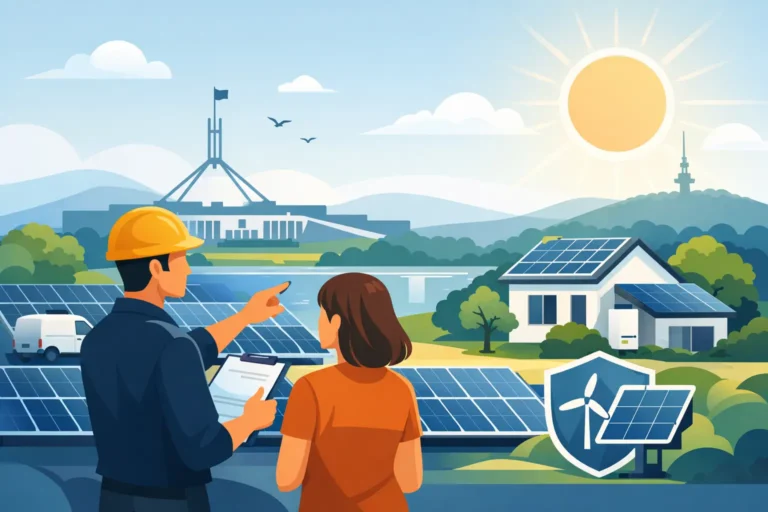
Solar performance is not only about the number of panels. Panel orientation, pitch and shading can change output significantly across the year. Even partial shade from a chimney, neighbouring structure or established tree can reduce generation if the system has not been planned properly.
There is also the visual side. For many homeowners, especially on newer builds or renovated homes, a tidy layout matters. Quality installers consider how the array will sit on the roofline, where conduit will run and how the final installation will look from the street. Good solar should work well and look considered.
How to compare quotes without getting misled
Price matters. It should. But solar quotes are often difficult to compare because two systems with similar sizes can be very different in quality and performance.
Start with the system design, not just the final figure. Check the panel brand, inverter brand, estimated output and any assumptions around shading or export rates. Ask whether the proposed system has been designed for your actual property or whether it is a standard package dropped into a template.
Then look at the installation scope. Some quotes appear cheaper because they leave out switchboard upgrades, monitoring setup, difficult roof access or battery-ready configuration. That can mean extra costs later. A clearer quote is usually more useful than a cheaper one with gaps.
It is also worth asking who will install the system and what accreditation they hold. Reputable providers should be able to explain their process plainly. If the sales conversation feels vague or rushed, that usually carries through to the rest of the project.
Premium gear is not about bragging rights
There is a place for premium equipment in residential solar, especially when homeowners want reliability, stronger warranty support and better system performance over time. Brands such as Tesla, LONGi and Hinen are often chosen because they have established reputations, not because they sound impressive in a brochure.
That said, premium does not mean every home needs the most expensive option available. The right system depends on your budget, your roof, your energy habits and whether battery storage is part of the plan. Good installers explain the trade-offs clearly so you can decide where extra investment will genuinely pay off.
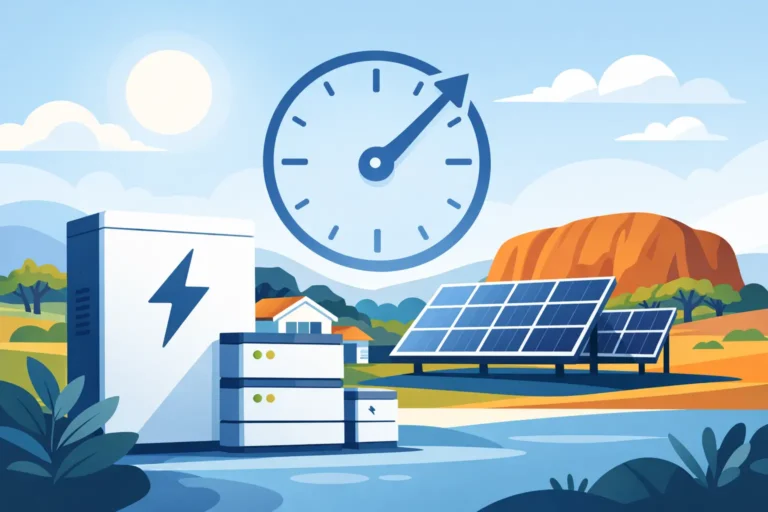
Should you add a battery now or later?
This is one of the most common questions from Canberra homeowners, and the honest answer is that it depends. A battery can improve energy independence, provide backup capability in some setups and help you use more of your own solar power after sunset. For some households, that is a compelling enough reason on its own.
For others, the financial case may be stronger if they start with solar panels first and add battery storage later. That can be sensible if budget is tight or if you want to understand your new usage pattern before making the next step.
The important thing is planning for flexibility. If a battery is not going in immediately, your installer should still discuss whether the system can be designed with battery integration in mind. That avoids expensive changes later and keeps your options open.
What a trustworthy installer should ask you
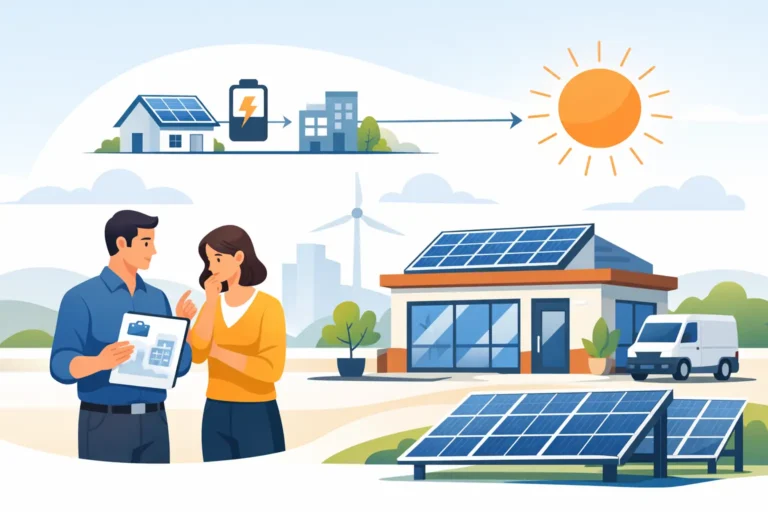
A quality installer should ask more than, “How much do you want to spend?” They should want to know how many people live in the home, when the house is occupied, whether you work from home, if you have pool equipment, whether you are considering an EV and if there are plans to upgrade appliances.
Those questions are not sales tactics. They help shape a system that reflects real life. A family with kids home in the afternoon will use energy differently from a retired couple, and both will differ again from a household preparing for electric heating. When an installer takes the time to understand that, the recommendation is usually far more accurate.
You should also expect a straightforward explanation of rebates, payback expectations and likely bill reduction. No one can promise the same result for every household, and anyone who does is oversimplifying. A reliable provider gives you realistic numbers and explains what can affect them.
The value of end-to-end service
Solar should not feel complicated, but it should feel considered. End-to-end service matters because there are plenty of moving parts – system design, product selection, approvals, installation, monitoring and support after the job is complete.
For homeowners, this is often the difference between a stressful project and a smooth one. A provider that handles the full process can usually spot issues earlier, coordinate more effectively and keep the system aligned with the original design intent. That is especially helpful when the job includes battery storage, backup planning or a more complex roof layout.
This is where a service-led business stands out. IMS Energy, for example, has built its approach around tailored system design, quality equipment and practical guidance that helps customers make confident decisions rather than rushed ones.
Choosing residential solar installers Canberra homeowners can trust
If you are comparing residential solar installers Canberra offers, look past the sales pitch and focus on how each provider thinks. Do they ask good questions? Do they explain trade-offs? Do they tailor the system to your home instead of forcing your home to fit a package?
The best solar outcomes usually come from a mix of technical knowledge and genuine service. You want quality components, yes, but you also want clear advice, careful installation and support that does not disappear once the inverter is switched on.
A solar system should lower bills, improve confidence in your energy future and feel like a smart investment from day one. If your installer treats it that way too, you are already on the right track.
The right solar decision is rarely the loudest or the cheapest one. It is the one that suits your home, your budget and the way you actually live.