A solar system has to work through frosty Canberra mornings, hot summer afternoons and the everyday patterns of your household or business. That is why choosing a solar company Canberra customers can rely on is about far more than finding the lowest advertised price. It is about getting a system designed for your roof, your electricity use and the way you want to use power in the years ahead.
The right provider should make the process clear from the first conversation. They should explain the options in plain language, be realistic about likely savings and remain available after installation. Solar is a long-term investment, so the quality of the advice behind it matters just as much as the equipment on the roof.
Why Canberra properties need tailored solar design
Canberra is well suited to solar power, with strong sunshine across much of the year. Yet the same system will not suit every property. Roof orientation, shading from trees or neighbouring buildings, panel space, household demand and future plans can all change what good solar design looks like.
A north-facing roof may offer excellent generation potential, but east- and west-facing arrays can also be valuable. For a family that uses more power in the morning and late afternoon, spreading panels across those roof faces may better match when electricity is needed. For a business operating mainly through the middle of the day, a different layout may make more sense.
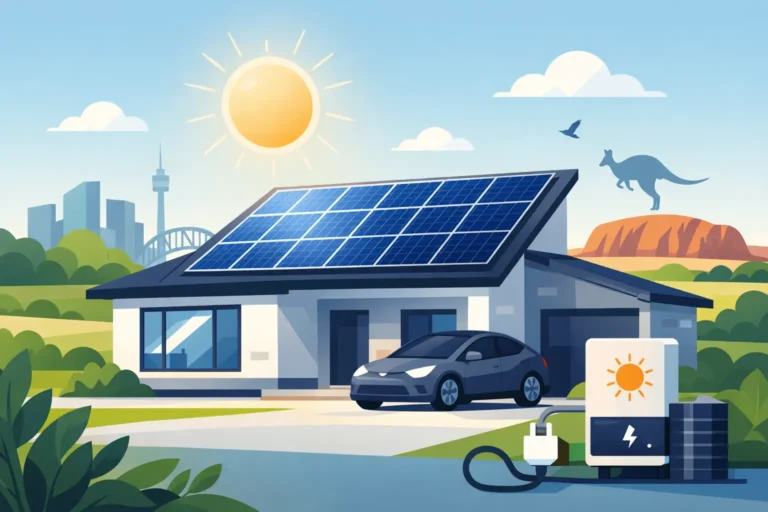
The most useful solar advice starts with your consumption. Review your electricity bills and consider what is likely to change. Are you planning to buy an electric vehicle, replace gas appliances, install a pool or add air conditioning? These decisions can increase electricity demand and may influence the right system size from the outset.
A quality solar company will assess the property rather than assuming that more panels automatically means better value. Oversizing can be sensible where future electricity use is likely to grow, but it should be a considered decision, not a sales tactic.
What a solar company in Canberra should assess
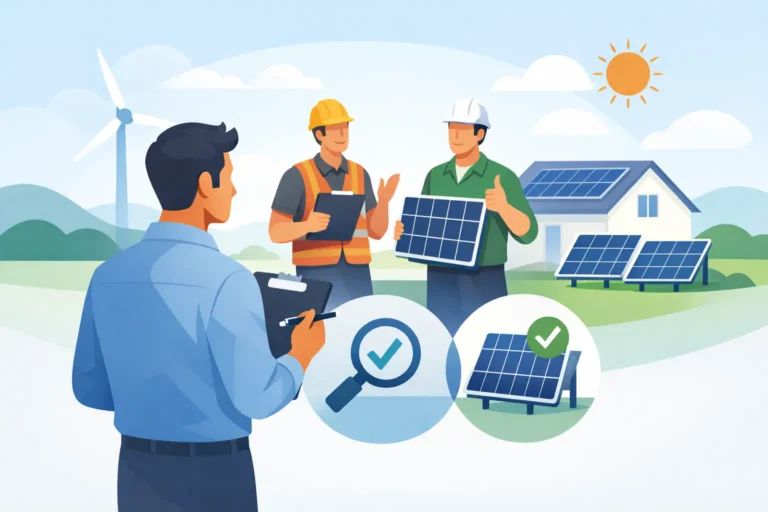
Before presenting a proposal, a knowledgeable installer should take the time to understand the practical details of your site. Some of this can be done through a remote assessment, while a site inspection can be particularly valuable for complex roofs, commercial premises or properties with shading concerns.
A properly tailored proposal should account for panel placement, inverter location, roof condition, switchboard capacity and cable runs. It should also identify any shading that could reduce performance at certain times of day. A system that looks good on a simple layout drawing may deliver less than expected if these details are overlooked.
For commercial customers, the discussion should go further. Operating hours, seasonal load, refrigeration, machinery, multiple meters and planned growth all affect the design. The aim is not simply to generate solar power. It is to use as much of that power on site as possible, reducing the amount of electricity purchased from the grid during business hours.
The value of a clear savings estimate
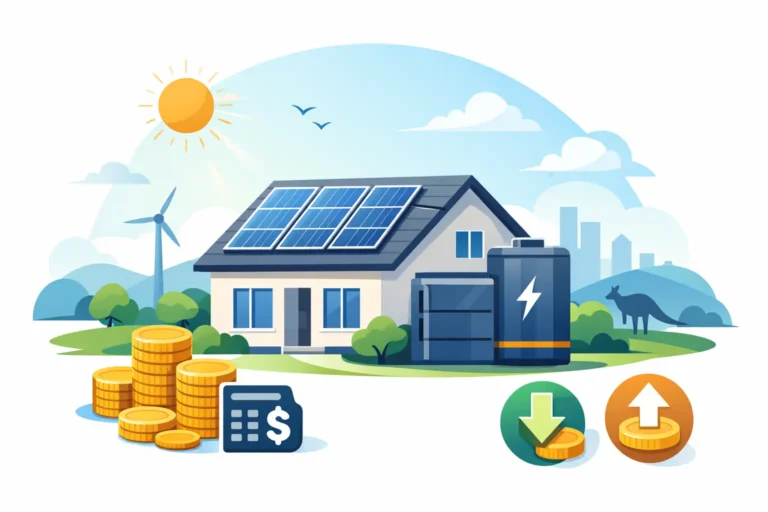
Savings estimates are useful, but they are estimates, not guarantees. Electricity tariffs, feed-in rates, weather, energy habits and future power prices can all affect outcomes. A trustworthy provider will explain the assumptions behind the figures instead of promising an unrealistic payback period.
Ask how the estimate has been calculated and whether it reflects your actual consumption profile. An online solar savings calculator can be a helpful starting point, but a detailed quote should refine those figures around your property and energy goals.
Equipment quality matters, but so does system compatibility
Panels, inverters and batteries are often compared by brand name alone. Brand quality is important, but the best result comes from selecting compatible products that suit the application. A premium panel is only one part of a well-performing solar system.
Panel output, product warranty, performance warranty, inverter capacity and monitoring features should all be considered together. Reliable equipment from established manufacturers can offer confidence over the life of the system, particularly when supported by professional installation and responsive after-sales service.
Battery storage deserves the same careful planning. A battery can help store daytime solar generation for use after sunset, reduce reliance on the grid and provide greater resilience. However, whether it is the right choice now depends on your consumption, tariff structure, budget and desire for backup power.
Not every battery provides the same level of backup during an outage. Some systems support selected essential circuits, while others can be designed for broader backup capability. If keeping the fridge, lighting, internet or critical business equipment running matters to you, raise that requirement early. Backup needs affect battery size, switchboard work and overall system design.
Thinking beyond the standard grid-connected system
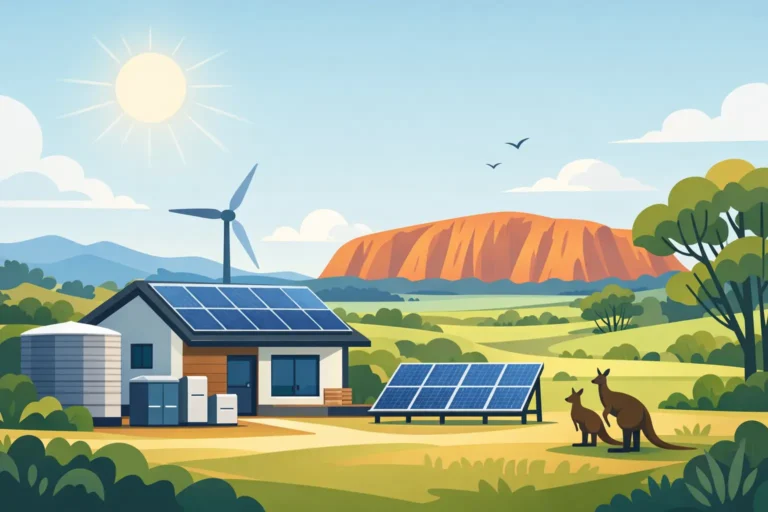
For rural properties, remote sites or customers seeking greater independence, off-grid and hybrid solutions require specialist planning. Energy generation is only part of the picture. Storage capacity, backup generation, seasonal demand and efficient appliance choices all become more important when there is limited or no grid connection.
These systems can deliver meaningful independence, but they need honest expectations. An off-grid solution must be designed for periods of lower solar production as well as sunny days. Choosing the cheapest components or undersizing storage can create avoidable frustration later.
Questions worth asking before you sign
A good solar provider should welcome practical questions. You are making a significant investment in your property, and clear answers are part of good service.
Ask who will design and install the system, whether accredited installers will complete the work, and what workmanship warranty applies. Confirm the equipment models proposed rather than accepting vague descriptions such as “premium panels”. You should also understand what monitoring is included and who to contact if an issue arises after commissioning.
It is sensible to ask about the installation timeline, possible switchboard upgrades and any factors that could change the quoted price. For battery systems, ask exactly what happens during a grid outage and which circuits, if any, will remain powered.
Finally, look for a provider that explains trade-offs openly. A lower upfront price may involve less capable equipment, fewer design options or limited support. A more premium solution may cost more initially but provide stronger warranties, better monitoring and a system that is easier to expand later. The right choice depends on your priorities, not a one-size-fits-all package.
Service after installation is part of the investment
Solar should not feel like a transaction that ends once the panels are installed. You should be shown how to monitor generation, understand your inverter or battery app and make the most of the energy your system produces.
Often, the biggest gains come from small changes in timing. Running the dishwasher, washing machine or pool pump during solar-producing hours can increase self-consumption. Businesses may be able to schedule selected processes around daytime generation, provided it suits normal operations.
If performance appears lower than expected, ongoing support becomes especially valuable. The cause may be seasonal weather, changed household demand, shading growth or a technical fault. A provider with hands-on service can help distinguish between normal variation and an issue requiring attention.
IMS Energy approaches solar as a long-term relationship, with tailored system planning and straightforward guidance from design through to installation and support. For homeowners, businesses and regional properties alike, that personal approach can make a complicated decision feel much more manageable.
Make the decision around your future energy needs
The best time to consider solar is not only when electricity bills rise. It is when you can make a clear plan for how your property will use energy over the next decade. Solar panels, battery storage, electric vehicles and efficient electric appliances can work together, but the system should be designed with that bigger picture in mind.
Start with your bills, your roof and your goals. Then choose a provider willing to listen before recommending equipment. A considered conversation now can give you a solar solution that keeps delivering practical value long after installation day.