A solar quote can look impressive on paper and still be the wrong fit once it hits your roof. That is why custom solar system design matters. The difference between a system that simply exists and one that genuinely reduces bills, supports your habits and performs for years comes down to how well it is planned before installation begins.
For Australian homes and businesses, solar is not a small purchase. It is a long-term energy decision that affects running costs, comfort and future flexibility. A standard package may suit some properties, but many do better with a system designed around how the site works, when power is used and what the owner wants from the investment.
What custom solar system design really means
At its simplest, custom solar system design means building a system around the property rather than forcing the property to suit a pre-set package. That includes panel layout, inverter sizing, battery readiness, product selection and expected energy production across the year.
A good design starts with questions, not equipment. How much power do you use during the day? Are your bills high because of heating, cooling or machinery? Is the property likely to add an EV charger, pool pump, battery or more staff in the next few years? Those details change what makes sense.
This is where honest advice matters. Bigger is not always better. A system that is oversized for daytime usage may export more than you would like at lower feed-in rates. A system that is too small may leave savings on the table and frustrate you every quarter when the bill arrives.
Why one-size-fits-all solar often misses the mark
Packaged systems are popular because they are easy to advertise and easy to compare. The problem is that roofs, households and businesses are not all the same. Two homes with the same quarterly bill can need very different setups depending on occupancy, orientation and future plans.
Roof shape is one of the most obvious examples. A large north-facing roof with minimal shade gives designers far more flexibility than a multi-level home with dormers, vents and trees nearby. On a commercial site, available roof area, switchboard capacity and operating hours can be just as important as total energy use.
There is also the question of aesthetics and practicality. Some customers want the maximum number of panels possible. Others want a clean layout that respects the look of the home. Neither approach is wrong, but the design needs to reflect the priority.
The key factors behind a tailored solar design
Your energy usage pattern
The shape of your usage matters as much as the total number on the bill. A family that uses most of its power in the evening has different needs from a home office where usage is strongest through the day. A business running refrigeration or equipment during trading hours may benefit from solar in a very direct way, while another business may need battery storage or load shifting to get the best return.
That is why looking at interval data, bill history and seasonal changes can be so valuable. It gives a clearer picture of where savings are likely to come from.
Roof orientation, pitch and shade
Not every good solar system sits perfectly north. East-west layouts can still perform very well, especially when the goal is to spread generation over more of the day. In some cases, a mixed orientation can better match how a property uses electricity.
Shade is another factor that should never be brushed aside. Even partial shading from trees, neighbouring buildings or roof features can affect output. The right panel placement and equipment choice can reduce those impacts, but only if they are considered early.
Product quality and compatibility
Custom design is not just about where panels go. It is also about making sure each component works together properly. Panels, inverter, battery and monitoring system should be selected as part of one plan, not pieced together without thinking about long-term performance.
Premium equipment usually costs more upfront, and that is a genuine trade-off. For many customers, the extra spend is worthwhile because of efficiency, warranty support and reliability. For others, budget matters most, so the right choice may be a strong value system that still meets performance expectations.
Budget and return on investment
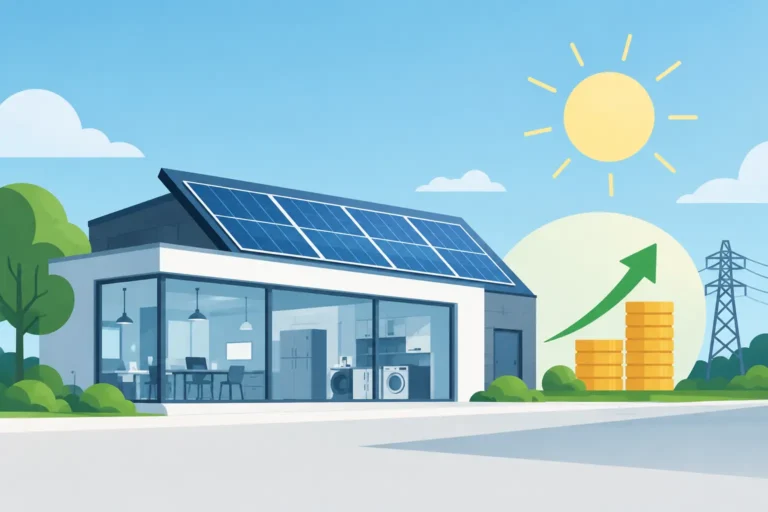
A tailored system should respect financial reality. Some customers want the fastest payback possible. Others are prepared to spend more for battery integration, blackout protection or premium hardware. A good designer does not push one answer for everyone. They explain the options clearly so the customer can weigh upfront cost against long-term benefit.
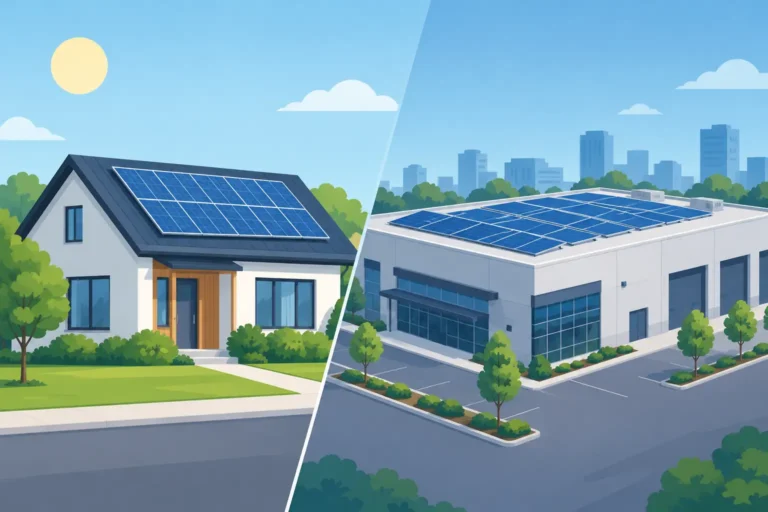
Custom solar system design for homes
For homeowners, the right system often comes down to lifestyle. A young family at home in the afternoons, a couple planning retirement, or a regional household wanting more energy independence may all have very different priorities.
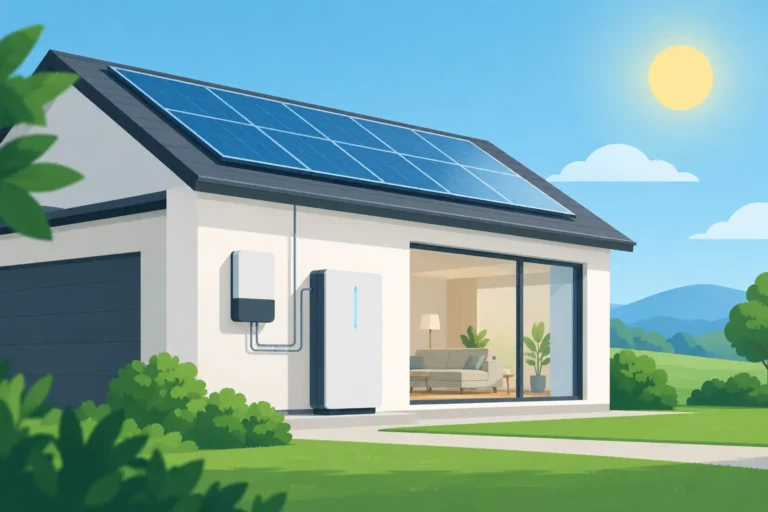
Battery readiness is a good example. Not every home needs a battery on day one, but many customers want the option later. Designing for that possibility early can save hassle and cost down the track. The same goes for future EV charging or a planned extension.
There is also the everyday reality of roof space and presentation. On residential projects, a smart layout should perform well without looking awkward or cluttered. That balance matters more than people often expect.
Custom solar system design for businesses
Commercial solar decisions usually come with sharper financial scrutiny. Business owners want lower operating costs, but they also want confidence that installation, performance and payback have been properly thought through.
In a business setting, custom solar system design can involve a broader set of considerations. Trading hours, refrigeration loads, office demand, warehouse operations and future expansion all shape the right outcome. Even the best equipment can underdeliver if the system is designed around assumptions instead of actual business use.
Commercial sites may also have network, metering or infrastructure constraints that affect system size. This is where experience matters. The design process needs to be practical, not theoretical.
Where batteries and off-grid options fit
A well-designed solar system does not always include a battery, but batteries are increasingly part of the conversation. They can make strong sense for customers with high evening usage, expensive peak tariffs or a clear need for backup support. They can also be part of a staged approach, where solar is installed first and storage follows later.
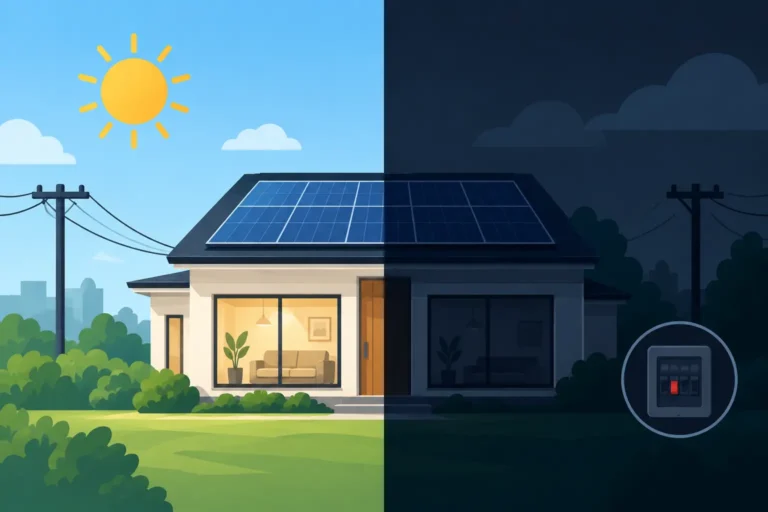
For remote properties or sites with unreliable grid access, off-grid design is a different category again. The stakes are higher because the system is not just helping with bills – it is supplying essential power. In those cases, solar generation, battery storage and backup generation all need to work together with a healthy safety margin.
The value of face-to-face guidance
Solar works best when the advice is grounded in the site, the numbers and the customer’s goals. That is why practical guidance still matters, even with online calculators and fast quote forms. A conversation can uncover things a basic quote tool cannot, such as planned renovations, shifts in occupancy or concerns about visual layout.
This is also where trust is earned. Customers want straight answers about savings, limitations and trade-offs. They want to know what the system is likely to do, what it will not do and how it can evolve over time.
For a company like IMS Energy, that hands-on approach is part of the service, not an extra. Good design is not about selling the largest possible system. It is about helping people make a confident, well-informed energy decision.
What to expect from a proper solar design process
A strong process usually starts with site details, electricity usage and a discussion about goals. From there, the design should consider roof layout, likely generation, equipment options and estimated savings. If battery storage or off-grid capability is on the table, that should be addressed at the same time rather than treated as an afterthought.
Customers should come away understanding why the system has been recommended, not just what it costs. If the proposal cannot explain the reasoning in plain language, that is a warning sign.
The best custom solar system design feels practical from the start. It reflects how you use power now, leaves room for where you are heading and avoids the false economy of buying a system that is cheap upfront but poorly matched to the property.
Solar should make life easier, not more confusing. When the design is tailored properly, the savings are clearer, the performance is more reliable and the investment makes far more sense over the long term. If you are considering solar, the smartest first step is not choosing a panel brand or chasing the biggest advertised discount. It is making sure the system is designed around you.