A battery can keep the lights on when the grid goes down, but only if the system has been designed to do that job. This solar battery backup guide explains the decisions that matter before you invest, from choosing which appliances stay powered to sizing a battery around the way your household actually uses energy.
For many Australian households, battery storage is about more than reducing bills. It is about having greater control over energy costs, using more of the solar generated on the roof, and knowing essential services can keep running during an outage. The right solution depends on your home, your electricity habits, your budget and the level of backup you expect.
What a solar battery backup system does
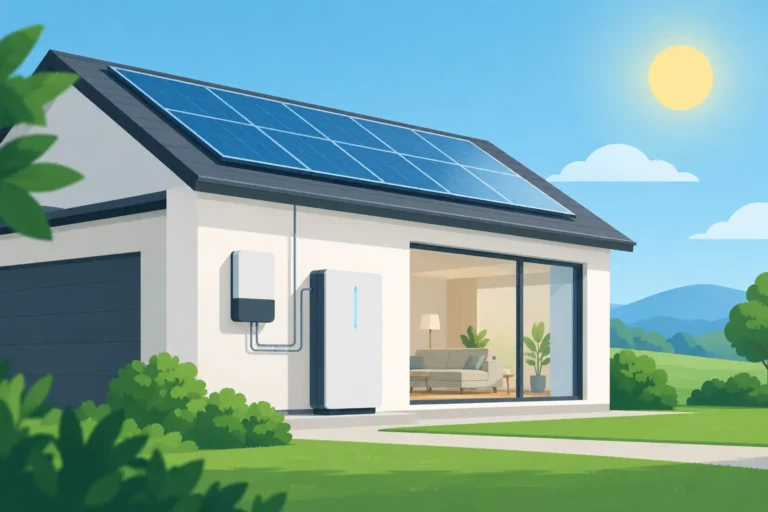
Solar panels generate most of their power during daylight hours. Without a battery, surplus generation is generally sent to the grid after your home’s immediate needs are met. A solar battery stores some of that excess energy for use later, such as in the evening when household demand rises and solar production falls.
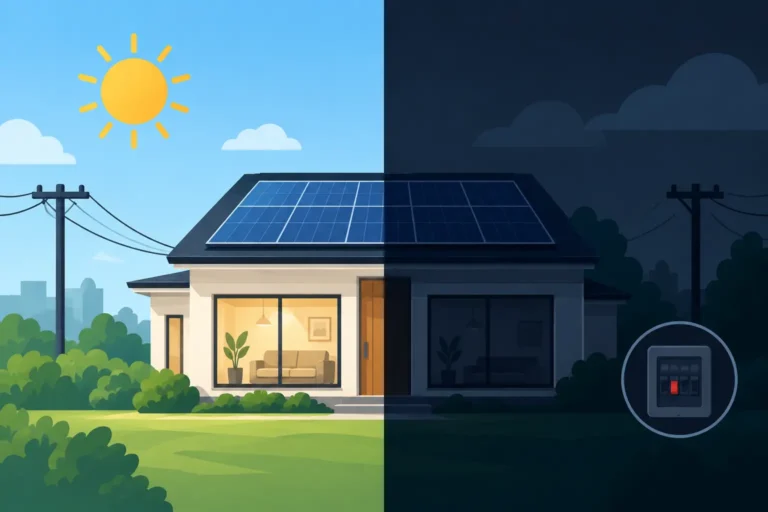
Backup capability is a separate feature that requires the right inverter, switching equipment and electrical design. When the grid fails, a backup-ready system can safely disconnect from the network and supply selected circuits from the battery and, when conditions allow, from solar production.
That distinction is worth understanding. Not every battery system automatically provides power during a blackout. A standard solar system must shut down when the grid is unavailable to protect electrical workers. If blackout protection is a priority, it needs to be included in the system design from the start.
Solar battery backup guide: start with the outcome
Before comparing battery brands or capacity figures, decide what you want the system to achieve. A household mainly focused on lowering evening electricity purchases may need a different setup from a regional property where outages can last several hours or a full day.
Most homeowners choose between essential-load backup and whole-home backup. Essential-load backup supplies a dedicated set of circuits, often covering lighting, the fridge, internet, selected power points, a television and garage access. It is usually the more practical and cost-effective option because it protects the things that matter most without asking the battery to run every appliance in the house.
Whole-home backup can be a strong option for larger batteries and households that need broad coverage. However, high-demand appliances can drain stored energy quickly. Ducted air conditioning, electric ovens, pool pumps, electric hot water systems and EV chargers all need careful consideration. Whole-home backup does not mean every appliance should run at once during an outage.
A clear conversation about your non-negotiables makes the design more useful. Consider what needs to remain on overnight, whether anyone relies on medical equipment, how often outages occur in your area, and whether you work from home. These details are more valuable than simply choosing the largest battery available.
Size the battery around your usage, not your neighbour’s
Battery capacity is measured in kilowatt-hours, or kWh. It tells you how much energy the battery can store. A 10 kWh battery, for example, may suit a household with moderate evening demand, while a larger home with heavy overnight consumption or backup requirements may benefit from more capacity.
Capacity is only one part of the picture. Output power, measured in kilowatts, determines how many appliances the battery can support at a given time. A battery may hold plenty of energy but still have limits on the number of high-load appliances it can start or run simultaneously. This is especially relevant for pumps, refrigeration, air conditioners and other equipment with high start-up demand.
Your electricity bills provide a useful starting point, but they do not tell the full story. A tailored assessment should examine interval data where available, solar generation, evening and overnight consumption, seasonal changes, future EV charging and plans to move from gas to electric appliances. A growing family or a business adding new equipment should plan for the energy profile it expects to have, not only the one it has today.
It also helps to be realistic about autonomy. A battery does not create unlimited power during a blackout. Its run time depends on the available stored energy and what you are using. Running a fridge, lights, Wi-Fi and a few essential power points can preserve battery energy for much longer than operating air conditioning and electric cooking.
Can solar recharge the battery during a blackout?
In many backup-capable systems, yes. Once the system has safely isolated from the grid, solar may continue to power backed-up loads and recharge the battery during daylight. This can extend the useful duration of an outage considerably, particularly when the weather is clear and household consumption is managed sensibly.
There are limits. Solar output changes through the day and falls in cloudy weather, while winter production is usually lower than summer production. If the battery is already full, the system may also need to manage excess solar generation. Your installer should explain how the proposed inverter and battery operate in backup mode, including any restrictions that apply to particular circuits or solar capacity.
For off-grid homes and remote sites, these questions become even more significant. An off-grid system needs enough generation, storage and backup planning to cover periods of poor weather, not simply a battery that meets an average day’s consumption.
Battery placement, safety and practical design
A battery needs a suitable location that meets manufacturer requirements and applicable Australian electrical and safety standards. The best position is not always the closest wall to the switchboard. Access for installation and future servicing, ventilation, exposure to weather, clearance requirements and protection from accidental damage all need to be considered.
In a family home, placement should also account for daily life. A battery should not compromise access paths, create problems around vehicles, or sit in a spot likely to be affected by water, heat or impact. A thoughtful installation considers how the equipment will look and function over its full service life, not just how quickly it can be fitted.
The inverter and switchboard may also need upgrades or additional equipment. Older electrical infrastructure, complex three-phase connections and large properties can affect both scope and cost. These are not reasons to avoid a battery, but they are good reasons to seek a detailed site assessment rather than relying on a generic online package.
Check the economics as well as the backup value
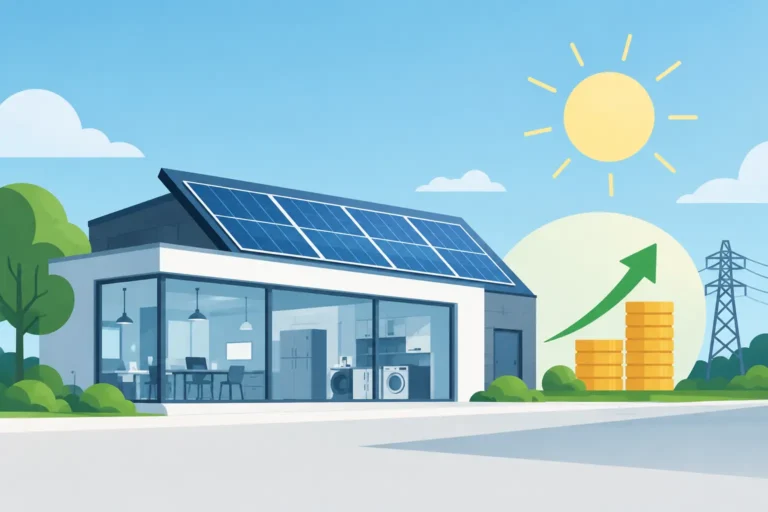
A battery can increase solar self-consumption by storing daytime generation for later use. The financial return depends on how much solar surplus you have, the difference between your electricity purchase rate and feed-in tariff, your usage pattern, network charges and any available incentives.
For some households, the strongest value comes from reducing peak-period imports and using solar after sunset. For others, resilience is the deciding factor. If regular outages affect work, food storage, communications or household comfort, the value of reliable backup may go beyond a simple payback calculation.
Be careful with overly neat savings claims. Electricity prices, tariffs, household behaviour and weather all change. A good proposal should show the assumptions behind projected savings and explain where results may vary. Honest advice is more useful than a promise that a battery will eliminate every bill or cover every outage without limits.
Questions worth asking before you approve a system
Ask whether the proposed battery includes blackout backup or only energy storage. Confirm which circuits will operate during an outage, how much backup power is available, and whether solar can recharge the battery while the grid is down. You should also understand the usable battery capacity, warranty terms, expected expansion options and any switchboard work included in the quote.
It is also sensible to ask how the system will be monitored and who will support you after installation. A battery is a long-term part of your home’s energy infrastructure. Clear handover information, quality equipment and accessible service can make a major difference over the years ahead.
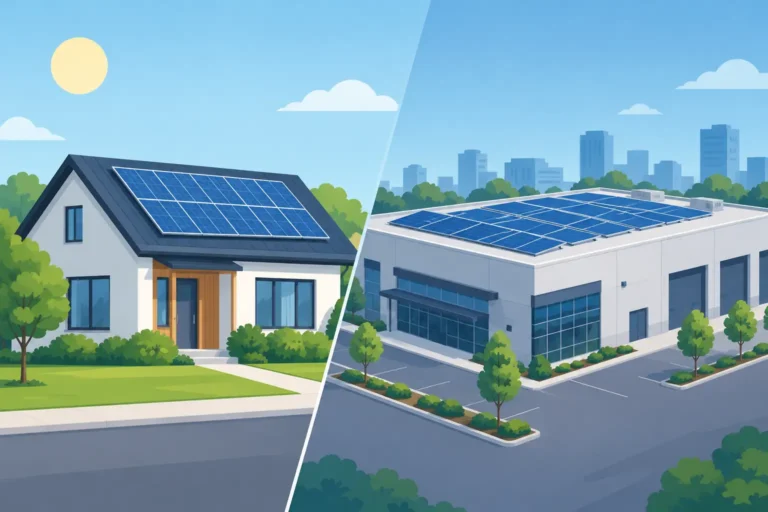
For Canberra, Sydney and regional NSW households, local conditions can influence the right design. Roof orientation, shade, summer heat, winter generation, grid reliability and property layout all shape the final recommendation. A tailored plan will account for those details rather than forcing your home into a standard package.
A well-designed battery system should feel practical from day one: it lowers reliance on grid power when solar is not producing, protects the circuits that matter most, and gives you a clearer path towards greater energy independence. If you are considering battery backup, start with an honest assessment of your usage and outage priorities, then choose a system built around the life you actually lead.