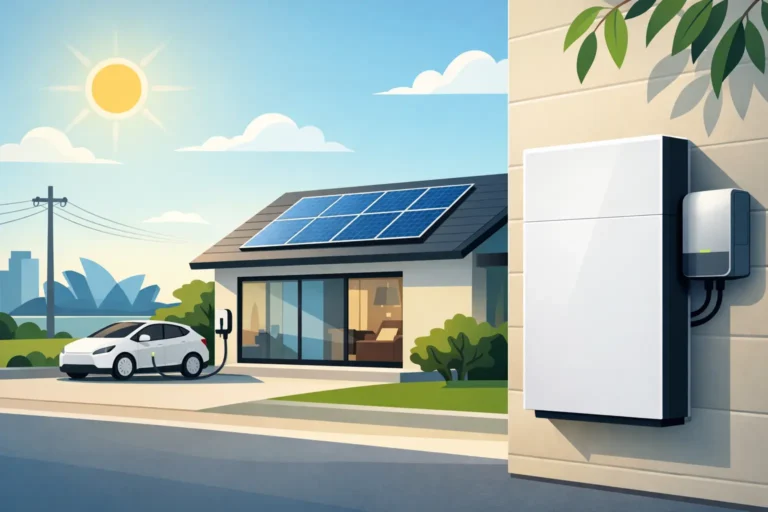
A fridge full of food, a water pump that needs to run, lights at night, maybe a workshop or business on site – off-grid power solutions have to do a lot more than simply generate electricity. They need to keep real properties running day after day, through cloudy weather, seasonal changes and the odd spike in demand. That is why the difference between a system that feels effortless and one that causes constant frustration usually comes down to design.
For many Australians, going off-grid is not about novelty. It is a practical decision. Sometimes the property is too remote for a sensible grid connection. Sometimes reliability matters more than anything else. Sometimes the goal is greater control over energy costs and less exposure to rising power prices. Whatever the reason, the same rule applies: an off-grid system has to be tailored to the way you actually live or work.
What off-grid power solutions need to do
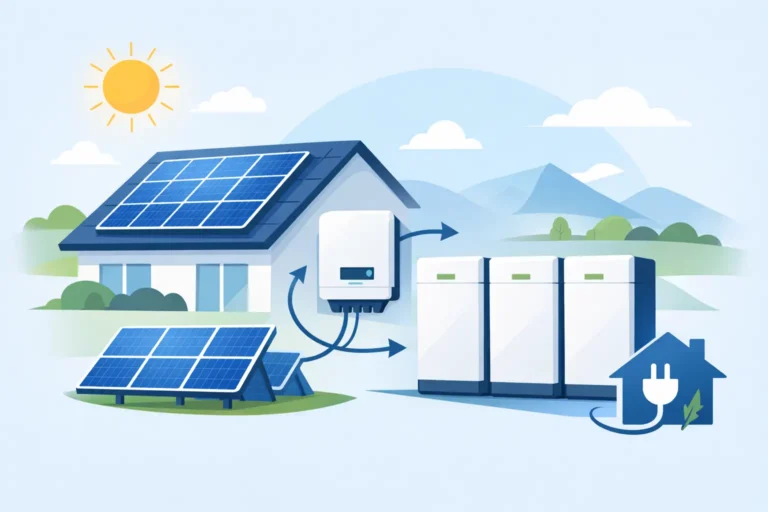
A good off-grid system is not just solar panels and a battery. It is a complete energy setup designed to meet demand across the whole year. That includes generation, storage, backup planning, load management and the quality of the equipment tying it all together.
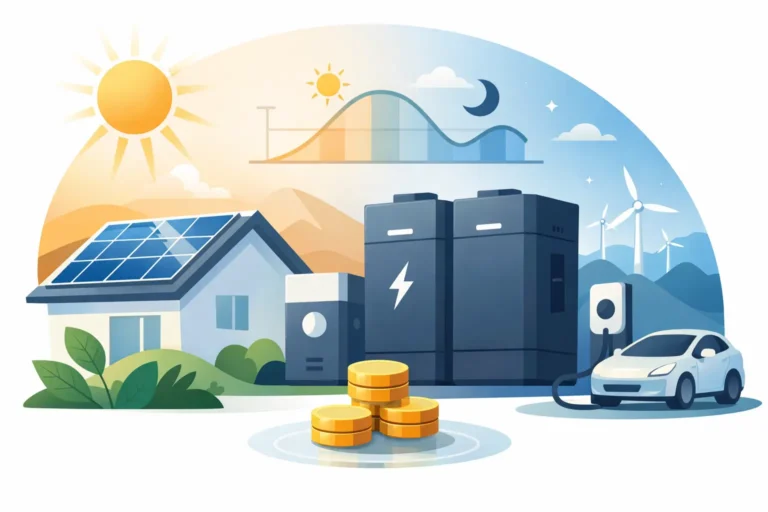
Solar panels usually do the heavy lifting in Australia, and for good reason. We have strong solar conditions in many parts of the country, and solar remains one of the most effective ways to produce clean energy on site. But panels only generate during daylight hours, and not at the same level every day. That is where battery storage becomes essential.
The battery stores excess solar production so you can use that power after sunset or during lower generation periods. The inverter then manages how energy moves between the panels, battery and your property. In many systems, there is also a backup generator built into the broader design. Some people are surprised by that, but a generator can be a smart and sensible part of an off-grid setup, especially where extended bad weather or high seasonal demand is a factor.
Why system sizing matters so much
The most common mistake with off-grid power solutions is underestimating energy use. People often think about daily consumption in broad terms, but off-grid design needs a more detailed view. It is not just how many kilowatt-hours you use. It is when you use them, how often loads overlap, and whether there are short bursts of very high demand.
A home with efficient appliances and careful usage habits will need a very different system from a rural property with pumps, sheds, refrigeration and air conditioning. A small business operating from a remote site may have even tighter reliability requirements. If the power drops, the cost is not only inconvenience. It can affect stock, operations and revenue.
This is why honest load analysis matters. An oversized system can push up upfront cost more than necessary. An undersized one can leave you managing power every day, which defeats the purpose of investing in energy independence. The right balance depends on your site, your habits, your budget and how much resilience you want built in.
The real trade-offs in off-grid living
There is no single version of off-grid living. Some customers want a fully independent property with enough battery capacity to ride through difficult conditions comfortably. Others are happy to be more energy-aware and adjust usage during poor weather. Both approaches can work, but they suit different expectations.
That is one of the biggest conversations to have early. Are you aiming for convenience that feels close to grid-connected living, or are you comfortable making changes to how and when you use major appliances? The answer affects battery size, solar array size and whether backup generation should be included.
Budget is part of this too. Off-grid systems usually cost more upfront than standard grid-connected solar because they need to provide complete energy security, not just bill reduction. The return comes in a different form – avoided connection costs, reduced reliance on diesel or grid power, and greater control over long-term energy supply. For remote properties in parts of regional NSW, that can make the numbers stack up far better than many people expect.
Designing off-grid power solutions for Australian conditions
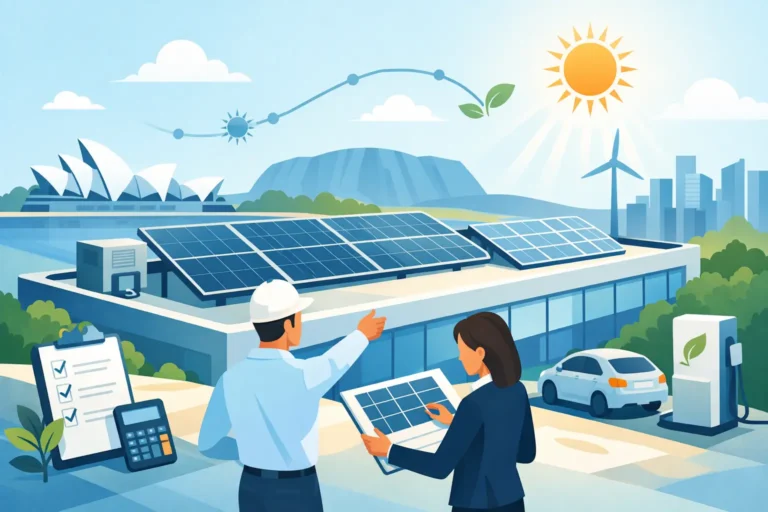
Australian conditions are an advantage for solar, but they also make design more site-specific. Heat, dust, shading, roof orientation and seasonal weather patterns all affect performance. So does the type of property. A family home, a farm shed, a remote accommodation site and a commercial premises each place different demands on the system.
A well-designed off-grid setup takes these details seriously. It considers where panels should go for the best output, how much battery storage is needed for overnight and low-sun periods, and whether equipment should be installed with future expansion in mind. It also looks at practical issues such as access, maintenance and how the system integrates with the layout of the property.
Premium equipment matters here, but premium on its own is not enough. Even high-quality components can disappoint if they are not matched properly to the site. Good outcomes come from combining quality products with careful planning and experienced installation. That is especially true for off-grid work, where there is less room for guesswork.
When off-grid makes sense – and when it may not
Off-grid is often the right fit for remote homes, rural properties and sites where connecting to the grid would be expensive or impractical. It can also suit owners who want greater energy independence and are prepared to invest in the infrastructure needed to achieve it.
But it is not automatically the best option for every property. In some cases, a grid-connected solar and battery system delivers a better balance of cost, convenience and resilience. If you already have reliable grid access nearby, staying connected while adding solar and battery storage may be the more efficient path.
That is why straightforward advice matters. The goal should never be to push a more complex system than you need. It should be to find the setup that gives you dependable power and sensible long-term value.
What to expect from a properly planned system
The best off-grid power solutions feel predictable. You are not constantly checking usage or worrying every time the weather changes. Your everyday loads are covered, your battery carries the property through the evening, and there is a clear plan for heavier demand or extended cloudy periods.
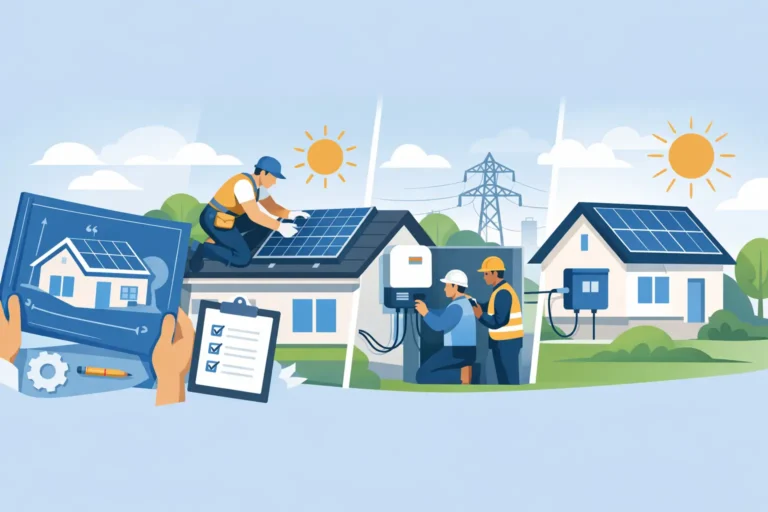
That confidence comes from design, not luck. It means understanding your energy profile in detail, selecting equipment that is suited to your needs, and building in enough resilience for the way the property actually operates. It also means having support after installation, because even the best system performs better when the owner understands how to use it well.
For homeowners, that might mean guidance around appliance scheduling or future upgrades. For businesses, it may involve planning around operating hours, refrigeration, machinery or seasonal demand. A good installer does not stop at the hardware. They help make the whole system workable in real life.
Choosing an installer for off-grid power solutions
Off-grid projects are not the place for one-size-fits-all quoting. You want an installer who asks detailed questions, explains trade-offs clearly and designs around your actual usage rather than generic assumptions.
Look for a provider who can talk you through battery autonomy, backup options, expected seasonal performance and how the system may need to grow over time. If the conversation is only about panel count, that is a warning sign. Off-grid success depends on the whole design being considered together.
It also helps to work with a team that values long-term relationships, because support matters after the system is switched on. Reliable after-sales service, quality installation and honest advice are not extras in an off-grid project. They are part of what makes the investment worthwhile.
At IMS Energy, that is exactly how we approach tailored energy systems – with practical planning, quality components and advice that puts the customer first.
If you are considering off-grid power, the smartest next step is not chasing the biggest system or the cheapest quote. It is understanding what your property genuinely needs, then building a solution that gives you confidence every day, not just on paper.