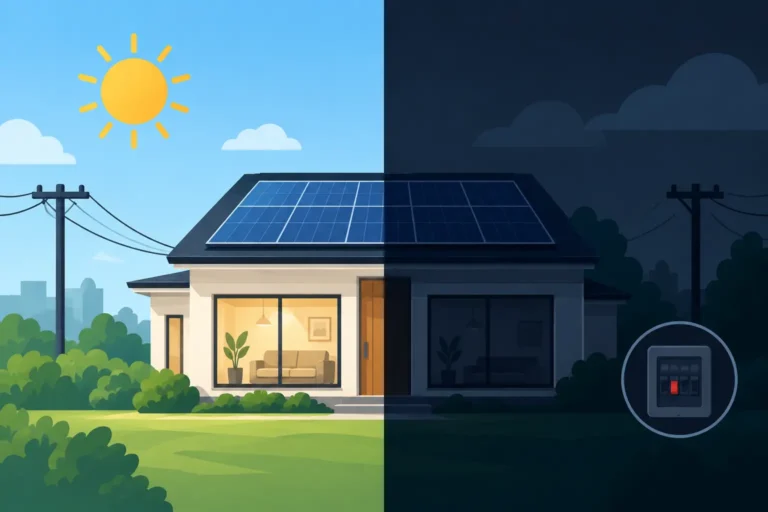
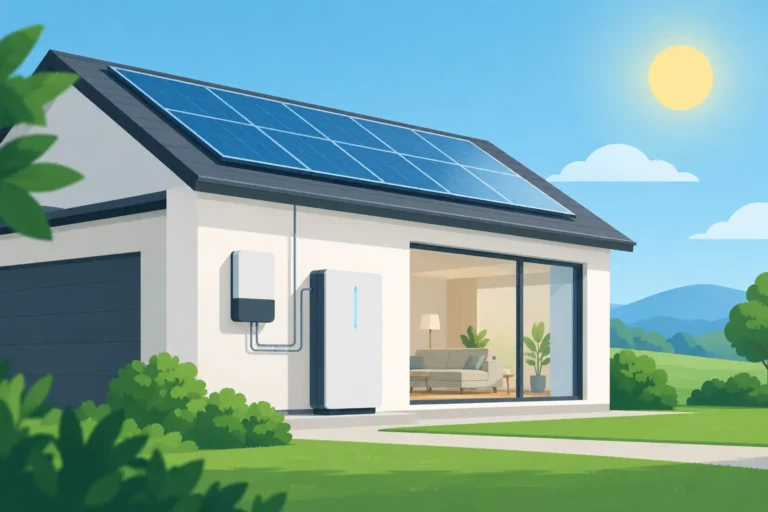
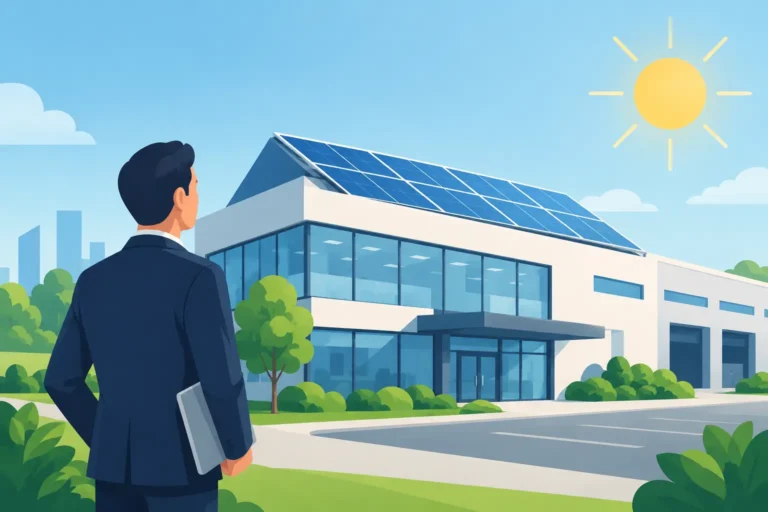
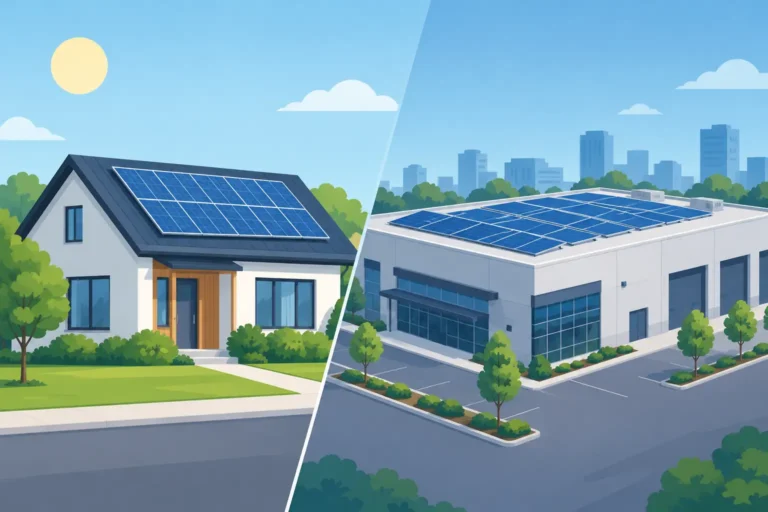
A solar panel can look much like the next one from the street, yet its output, warranty terms and suitability for your roof can make a meaningful difference over 25 years. This LONGi solar panels review looks at what the brand offers Australian households and businesses, where it represents strong value, and what to check before making it part of your system.
LONGi is one of the world’s largest solar manufacturers and is widely recognised for its focus on high-efficiency monocrystalline panel technology. For many property owners, that scale brings welcome confidence: the company has substantial manufacturing capability, a long presence in the solar industry and panels designed for the demands of modern rooftop systems.
LONGi solar panels review: performance and value
LONGi panels are generally positioned as a quality, high-value option rather than the cheapest panel on the market or an ultra-premium niche product. That middle ground is exactly why they suit many Australian solar projects. You can access strong efficiency and modern cell technology without directing too much of the budget away from the inverter, battery or installation quality.
Many current LONGi ranges use N-type cell technology. Compared with older P-type panel designs, N-type panels can offer better long-term output retention, lower degradation and improved performance in warmer conditions. Australia’s summer heat matters here. While every panel produces less power as its temperature rises, a panel with favourable temperature characteristics can help protect generation when your roof is working hardest.
Actual wattage varies by model and physical panel size. Residential panels are often selected to make the most of available roof space, while larger commercial-format panels may be appropriate for sheds, warehouses and businesses with broad, uncomplicated roof areas. The right choice is not simply the panel with the highest wattage printed on its label. It is the panel that allows a well-designed system to meet your energy goals safely and efficiently.
Efficiency matters most when roof space is tight
Panel efficiency describes how effectively a panel turns sunlight into electricity. Higher-efficiency LONGi panels can be particularly useful on smaller suburban roofs, homes with several roof faces, or properties affected by vents, skylights and shading.
If you have plenty of clear north, east or west-facing roof space, a slightly lower-efficiency panel may still deliver excellent results at a better overall system price. In that situation, putting extra budget towards more panel capacity, a quality inverter or battery readiness can be the smarter move. A tailored design should balance all of these decisions rather than treating panel efficiency as the only measure of quality.
Bifacial options can suit the right site
Some LONGi models are bifacial, meaning they can generate from both the front and rear of the panel. They can be a strong option for commercial rooftops, ground-mount systems, carports and other installations where reflected light can reach the back of the panel.
On a standard close-to-roof residential installation, the additional gain from the rear side may be limited. Bifacial panels are not automatically a better buy for every home. Their value depends on mounting height, roof colour, roof surface, layout and the available sunlight around the array.
How reliable are LONGi panels?
Reliability comes down to more than the manufacturer’s name. LONGi has a strong global reputation and produces panels at significant scale, which is reassuring for customers considering a long-term investment. Its panels are commonly used across residential and commercial projects, including in Australia.
That said, a panel warranty is only one part of the protection you receive. The quality of the mounting system, roof penetration work, cable management, inverter selection and commissioning all influence how reliably a solar system performs. A good panel installed poorly is not a good solar investment.
LONGi panels are typically supplied with a product warranty covering manufacturing and material issues, plus a separate performance warranty that supports a specified level of output over time. Warranty periods and conditions vary between panel series and can change as products are updated, so it is worth reviewing the exact documentation for the model included in your proposal.
Ask your installer to explain what is covered by the panel manufacturer, what is covered by the inverter manufacturer, and what they stand behind as the installer. Clear answers at the quoting stage are a good sign that you will receive practical support if an issue arises later.
What to consider before choosing LONGi
A LONGi panel can be an excellent fit, but it should be selected as part of the complete system. Before deciding, consider your daily energy use, when you use most of your power, your roof orientation, shading and whether a battery is likely in your future.
For example, a household that uses power mainly in the afternoon and evening may benefit from a system designed to capture more late-day sunlight from a west-facing roof section. A business operating through the middle of the day may place more value on maximum daytime generation. In both cases, the best layout may use more than one roof face rather than placing every panel in one direction.
Appearance may also matter. LONGi offers panels with clean, dark finishes in several ranges, which can complement contemporary roofs. However, visual consistency needs to be considered alongside physical dimensions and layout. A panel that looks excellent in isolation may not be the best fit if it leaves valuable roof space unused or complicates safe access around the array.
LONGi panels compared with cheaper and premium options
Compared with budget panels, LONGi often gives buyers greater confidence in manufacturer scale, technology development and documented long-term performance. The upfront difference is not always large, but it can be worthwhile when you are planning to own the property for years and want dependable generation rather than simply the lowest installation price.
Compared with higher-priced premium brands, LONGi may offer a more practical balance of performance and cost for many homes. Premium panels can make sense where roof space is very limited, aesthetics are a leading priority, or a particular model has technical features that suit the project. They are not automatically necessary for a high-performing system.
The more useful comparison is the total proposal. Look at usable system capacity, estimated annual production, panel warranty, inverter quality, installation scope, electrical upgrades and after-sales support. A low headline price can lose its appeal quickly if important components or workmanship are compromised.
Are LONGi solar panels suitable for Canberra and NSW conditions?
LONGi panels can suit homes and businesses across Canberra and NSW, provided the system is designed for the site. Inland regions can experience cold winters, hot summers and occasional severe weather. Coastal locations face different considerations, including salt exposure and humidity. The panel model, mounting equipment and installation approach should reflect those local conditions.
Shading deserves particular attention. Trees, chimneys, neighbouring buildings and even seasonal changes in the sun’s path can reduce output. Modern panels are designed with cell layouts that can help manage partial shading, but no panel can create energy from blocked sunlight. An honest site assessment should identify likely shading and show how the proposed layout responds to it.
For regional properties, reliable local support can be as valuable as the equipment itself. If your system will later include battery storage, EV charging, backup power or off-grid capability, make sure the initial design leaves a sensible path for those additions. Planning ahead can avoid unnecessary replacement work later.
The verdict on LONGi solar panels
LONGi is a strong contender for Australians looking for efficient, well-regarded solar panels at a sensible price point. Its modern N-type options, broad model range and global manufacturing presence make it suitable for many residential and commercial systems. The trade-off is that the best LONGi model is not universal: available roof space, shading, budget and energy habits should guide the selection.
Rather than choosing panels from a specification sheet alone, ask for a system design that explains why each component has been selected for your property. At IMS Energy, that means starting with your energy needs and roof, then building a solution that supports long-term savings and confidence in the investment. A well-planned system with quality equipment and accountable installation will do more for your power bills than any badge on a panel ever could.