A high electricity bill is more than an overhead. For many Australian businesses, it can quietly erode margins month after month – particularly when energy-hungry equipment runs through expensive peak periods. Knowing how to lower business electricity costs starts with understanding where, when and why your site uses power, then making improvements that suit the way your business actually operates.
The best results rarely come from one quick fix. They come from a practical plan that combines efficient equipment, smarter energy habits, the right electricity tariff and, where suitable, a tailored commercial solar system.
Start with your electricity data
Before investing in equipment, look closely at least 12 months of electricity bills. This gives you a clearer picture of seasonal changes, peak demand charges, controlled loads and the times your business consumes the most power.
For a café, the morning rush may be the biggest demand period. A warehouse may use most of its energy during daylight hours, while a manufacturing site could see costly spikes when several large machines start at once. These details matter because they shape which savings measures will deliver a worthwhile return.
Smart meter data can provide an even more useful view. Half-hourly or interval data shows when consumption rises, helping identify avoidable peaks and whether solar generation would align with your daytime use. An energy assessment can also reveal equipment that is drawing more power than it should.
Reduce waste before you generate power
Lowering unnecessary consumption is usually the fastest way to reduce bills. It also means any solar or battery system can be sized more effectively, rather than paying to generate electricity that is being wasted.
Upgrade lighting and controls
Replacing older fluorescent, halogen or metal-halide lighting with quality LED fittings can reduce lighting energy use substantially. In offices, retail spaces, workshops and car parks, lighting may operate for long hours, so the savings can add up quickly.
Controls make the upgrade work harder. Motion sensors in storerooms and amenities, daylight sensors near windows, and timers for signage can prevent lights from being left on when they are not needed. The right lighting design should still support safety, presentation and staff comfort – the cheapest fitting is not always the best long-term choice.
Maintain heating, cooling and refrigeration
Air conditioning, refrigeration and ventilation are often among a business’s largest electricity loads. Dirty filters, leaking ductwork, poorly placed thermostats and ageing equipment can all increase consumption without being obvious day to day.
Set sensible temperature ranges, service equipment on schedule and check that doors, seals and insulation are doing their job. For businesses with cool rooms or refrigerated display cabinets, keeping condenser coils clean and ensuring doors close properly can make a meaningful difference. Where replacement is due, compare lifetime running costs rather than purchase price alone.
Manage equipment outside operating hours
Computers, printers, monitors, kitchen equipment, compressors and standby loads can consume power long after staff have gone home. A clear shutdown routine is a simple place to start.
Consider timers, smart plugs and building controls for equipment that does not need to run overnight. Some loads cannot be switched off, of course. Security systems, refrigeration and essential network equipment need a different approach, but they should still be checked for efficient settings and unnecessary standby consumption.
Check whether your tariff still fits your business
Electricity plans are not one-size-fits-all. A tariff that suited your business three years ago may no longer suit your trading hours, equipment or energy profile.
Businesses may be charged under flat, time-of-use or demand-based tariffs. Time-of-use tariffs charge different rates at different times, while demand tariffs can include a charge based on your highest use during a set interval. A brief surge in demand can therefore have an outsized effect on the bill.
If your business has flexibility, shift suitable tasks away from peak periods. Charging electric equipment, running dishwashers, pre-cooling a building or scheduling certain production tasks may cost less outside the most expensive windows. The opportunity depends on your operations – there is no value in disrupting service, quality or staff safety merely to chase a lower rate.
Ask your retailer or energy adviser to explain every line on your bill and compare available options based on your actual interval data. Focus on the total annual cost, not a headline usage rate alone.
Use commercial solar to offset daytime costs
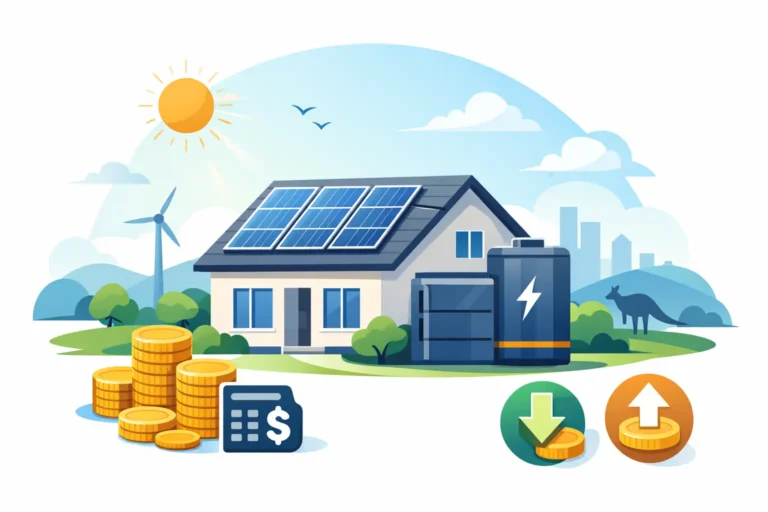
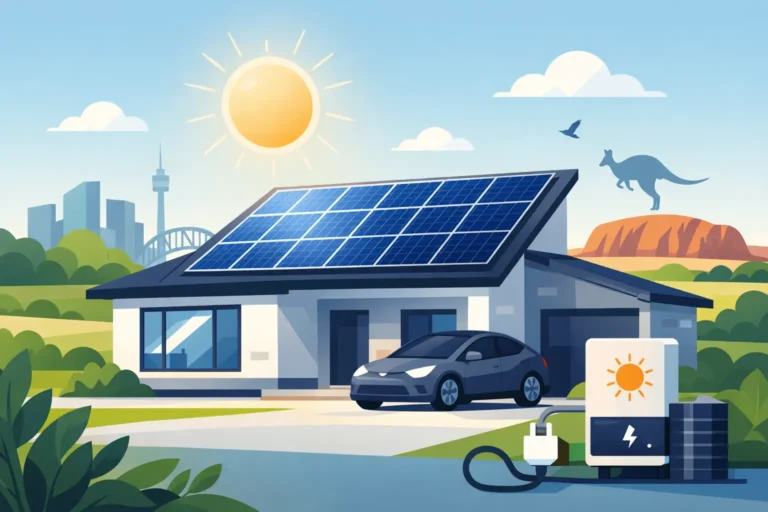
For many businesses, solar is one of the most effective answers to how to lower business electricity costs over the long term. A commercial solar system produces electricity on-site, allowing your business to use less power purchased from the grid during daylight hours.
Solar tends to be especially attractive for businesses with consistent daytime demand, including offices, retail stores, schools, medical practices, warehouses, workshops, farms and hospitality venues. When the system is designed around your consumption profile, roof layout, budget and future plans, more of the energy generated can be used on site.
That matters because using solar power as it is produced is generally more valuable than exporting it to the grid. Feed-in tariffs can contribute to savings, but they are usually lower than the cost of buying electricity. The goal is not simply to fill every available square metre with panels. It is to build a system that supports strong solar self-consumption and dependable long-term returns.
A quality system should account for roof orientation, shading, structural considerations, switchboard capacity and the electrical needs of the site. Premium components and professional installation may cost more upfront than a basic package, but they can offer better reliability, monitoring and support over the life of the system.
Consider battery storage where it makes commercial sense
Battery storage can retain excess solar energy for use later in the day, reducing the amount of electricity purchased from the grid after solar production falls. It may also help some businesses manage demand spikes and improve resilience during outages when designed with suitable backup capability.
However, batteries are not automatically the right next step for every business. Their value depends on your solar exports, evening use, tariff structure, demand charges and need for backup power. A site that consumes most of its solar generation during the day may see stronger value from solar first, while a business with high late-afternoon loads or critical operations may benefit from adding storage.
The important thing is to assess batteries as part of a complete energy plan, not as an off-the-shelf add-on.
Keep measuring after changes are made
Savings do not look after themselves. Once you have upgraded equipment, adjusted operating practices or installed solar, track your consumption and bills regularly. Monitoring can show whether expected savings are being achieved and flag faults, unusual demand spikes or changes in energy use before they become costly.
Review the plan when your business changes too. New machinery, longer trading hours, an expanded warehouse or a growing team can alter your energy profile. A system that was correctly sized several years ago may need to be expanded or reconfigured to keep delivering value.
For businesses across Canberra and New South Wales, IMS Energy can help turn energy data into a tailored solar and storage solution, with straightforward advice on what will suit your site and savings goals. A well-planned energy investment should give you more than lower bills – it should give your business greater confidence in the years ahead.