Power bills have a way of forcing the issue. One hot summer, a few more evenings running the air con, and suddenly the question becomes less about whether solar is worth it and more about which of the best home solar solutions will actually deliver value over time.
For Australian households, that answer is rarely a single product. The right setup depends on how much power you use, when you use it, what your roof allows, and whether your goal is lower quarterly bills, backup protection, or greater energy independence. Good solar planning starts with the home, not the hardware.
What the best home solar solutions really look like
The best home solar solutions are tailored systems built around real usage patterns. That usually means quality solar panels, an inverter matched to the system size, and in some cases a battery or backup-ready design. It may also mean planning for future changes, like an electric vehicle, pool pump, home extension or growing family.
This is where many homeowners get caught out. A cheap package can look attractive on paper, but if the system is undersized, poorly positioned or built with lower-grade components, the long-term savings often fall short. On the other hand, the biggest system available is not always the smartest buy either. Overspending on capacity you will not use can stretch payback unnecessarily.
A well-designed system finds the middle ground – enough generation to make a real dent in bills, equipment that will hold up in Australian conditions, and a layout that suits the roof rather than fighting it.
Start with your energy habits, not the panel count
If you want solar to perform properly, the first thing to look at is your consumption. Not just total kilowatt-hours, but when your household uses most of its power.
Homes that use more electricity during the day often get stronger immediate value from solar alone, because they consume their solar generation as it is produced. Think households with someone working from home, daytime laundry use, pool equipment, or electric hot water scheduled during sunlight hours.
Homes that are empty for most of the day can still benefit, but the equation changes. If most of your usage happens at night, a battery may be worth considering, or the system may need to be sized with export rates and evening demand in mind. This is one of those areas where honest advice matters. Not every household needs battery storage right away, and not every home will see the same return from adding one.
Panels, inverters and batteries all matter
People often focus on panels first, and fair enough – they are the visible part of the system. But solar performance depends on the whole setup.
High-quality panels are important because they affect output, efficiency and long-term reliability. Premium options can make particular sense when roof space is limited and each panel needs to work harder. For homes with plenty of usable roof area, there may be more flexibility between panel efficiency and upfront cost.
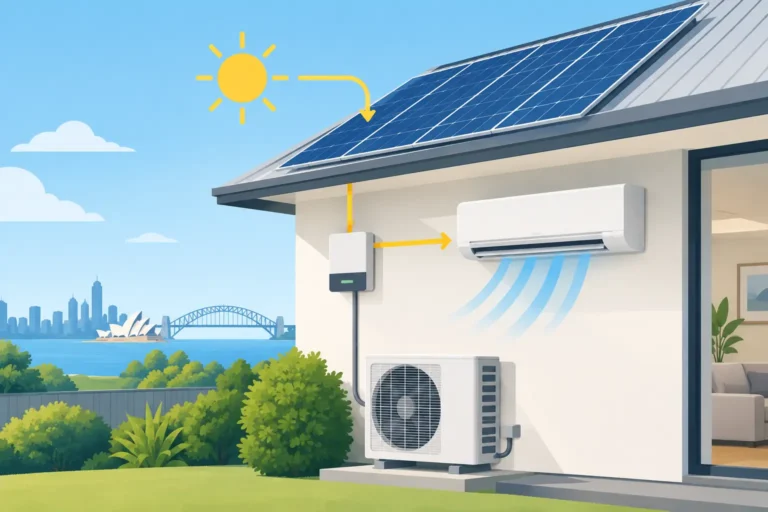
The inverter is just as important. It converts the power generated by panels into usable electricity for your home, and it plays a major role in monitoring, efficiency and future expandability. A quality inverter can also make battery integration smoother later on, even if you are not installing storage on day one.
Batteries deserve a balanced look. They can help you store excess daytime generation for evening use, reduce reliance on the grid and provide greater resilience when paired with the right backup configuration. But batteries are still a bigger investment than standard solar alone, so the best fit depends on your priorities. If your main goal is the fastest payback, solar panels without a battery may be the stronger first step. If backup power and energy independence are high on your list, battery-ready or battery-inclusive systems become far more compelling.
The roof can make or break the result
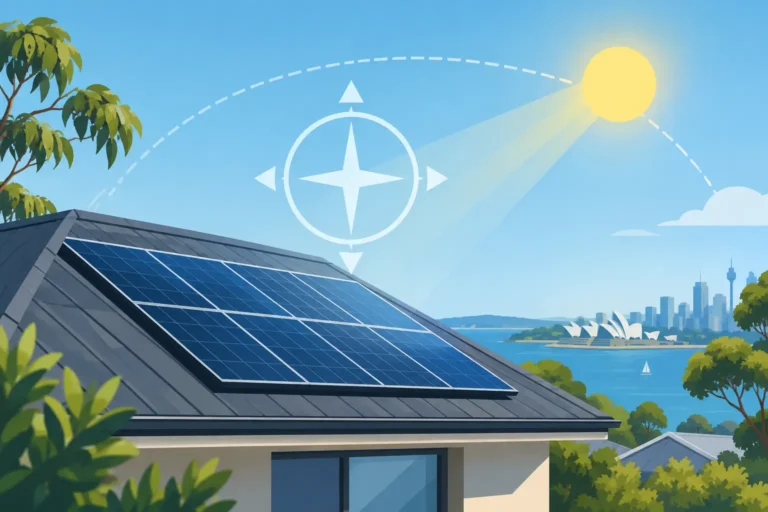
Two homes with the same electricity bill can need very different solar designs. Roof shape, pitch, orientation and shading all affect system performance.
North-facing roof sections are generally ideal in Australia, but east and west aspects can still work very well, especially when energy use extends into the morning and late afternoon. Shade from trees, neighbouring buildings or roof structures can reduce output and should be assessed carefully. In some cases, panel-level optimisation or a different array layout can help recover performance. In others, the smarter move is to adjust expectations and system design rather than pretend every roof is perfect.
Aesthetics matter too. Many homeowners want a system that performs well without making the roof look cluttered or awkward. Thoughtful layout planning can improve both output and appearance, which is especially important for prominent street-facing homes or architecturally designed properties.
Best home solar solutions for different households
There is no single best setup for every Australian home, but there are some common patterns.
For families with moderate to high daytime usage, a standard grid-connected solar system is often the best place to start. It lowers reliance on purchased electricity and can deliver meaningful bill reductions without the added cost of storage.
For households with high evening usage, rising electricity costs or concerns about outages, a solar and battery combination may make more sense. This approach can improve self-consumption and give you more control over when your solar energy is used.
For regional properties or homes with unreliable grid supply, backup-ready systems or off-grid solutions deserve serious attention. These need more careful design because reliability matters just as much as savings. Seasonal usage, generator support, battery capacity and future demand all need to be considered properly.
For homeowners planning ahead, the best option may be a staged solution. Install a high-quality solar system now, choose components that support expansion, and add battery storage later when your usage changes or the numbers stack up more clearly. That kind of planning can protect your investment without forcing every decision upfront.
Price matters, but value matters more
It is sensible to compare quotes. Solar is a significant investment, and homeowners should understand what they are paying for. But price on its own does not tell the whole story.
Two systems with similar advertised sizes can differ substantially in panel quality, inverter performance, installation standards, warranty support and design detail. One may include proper site assessment and customised layout planning. The other may be a generic package pushed to suit a price point.
This is often where trust becomes the deciding factor. You want clear answers on expected production, realistic savings, product quality and what support looks like after installation. A provider that takes the time to explain trade-offs is usually far more valuable than one that simply promises the biggest discount.
For many homeowners across Canberra and New South Wales, especially in areas where weather, roof design and electricity usage vary widely, a tailored approach tends to outperform one-size-fits-all offers.
How to choose between solar-only and solar with battery
This is one of the most common decisions, and the right answer depends on what success looks like for you.
If you want to reduce bills with a lower upfront spend, solar-only is often the strongest option. It is simpler, more affordable and still capable of delivering substantial savings when sized properly.
If you want greater independence from the grid, more control over evening usage, or backup capability during outages, adding a battery can be worthwhile. It can also be appealing for households that dislike exporting surplus power for relatively low feed-in returns while buying electricity back at a higher evening rate.
Still, batteries are not automatic yes-or-no purchases. The best decision comes from modelling your usage, reviewing your tariff structure and understanding how much stored energy you would genuinely use. That is the difference between buying confidently and buying on impulse.
A good solar partner should make the decision easier
Solar should not feel like a guessing game. The best providers do more than install equipment. They help you understand your options, explain the trade-offs clearly and design a system that suits your property, budget and long-term goals.
That means looking beyond panel counts and advertised discounts. It means discussing whether premium components are worth it for your roof, whether battery storage should happen now or later, and how your system might need to adapt as your household changes. It also means being available after the installation, when questions come up and performance matters in the real world.
For a lot of homeowners, that support is what turns solar from a risky purchase into a smart investment.
The best home solar solutions are not the cheapest, the largest or the most heavily marketed. They are the ones built around your home, your energy habits and your priorities, with enough care in the design to keep paying off long after the installation day is over. If you start there, you are far more likely to end up with a system you feel good about every time the next power bill arrives.