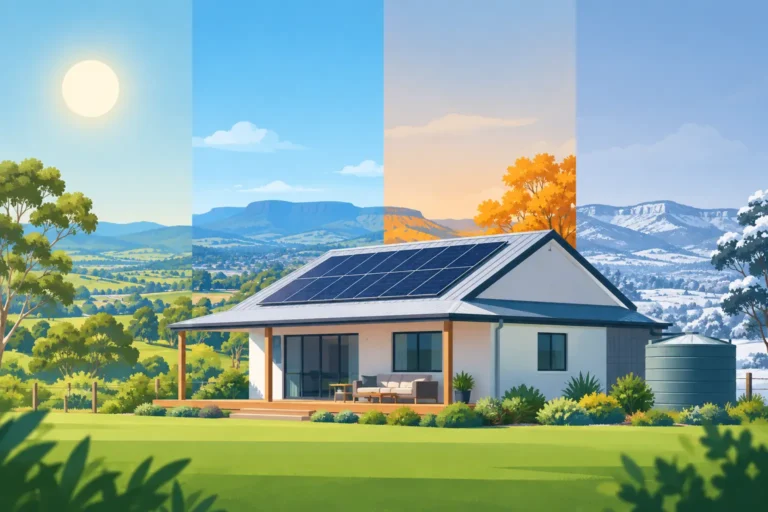
A regional home can have more roof space, clearer skies and a stronger reason to take control of power bills – but it can also face long supply lines, summer heat, cold winters and outages after a storm. Solar for regional NSW homes needs to be planned around those realities, not copied from a standard suburban package.
The right system can lower daytime electricity purchases, make better use of the energy generated on your own roof and give your household more confidence when energy prices rise. The best result starts with an honest assessment of how you use power, where you live and what you want your system to do over the next decade or more.
Why regional properties need a tailored solar design
Regional NSW is not one climate or one type of property. A home near the coast has different conditions from a farm outside Dubbo, a family property in the Riverina or a house in the tablelands. Roof orientation, local weather, shading from gums, available grid supply and the distance to the nearest service provider can all affect the right approach.
Your electricity usage matters just as much. A household with someone working from home may use plenty of power through the day, which suits a solar-only system well. A family that is out most weekdays and runs heating, pool equipment or air conditioning after sunset may benefit more from a battery or from changing when certain appliances operate.
For regional properties, it is also worth looking beyond the latest quarterly bill. Consider seasonal loads such as irrigation pumps, bore pumps, shearing equipment, electric hot water, reverse-cycle heating and cooling, or a growing electric vehicle charging need. A system designed only around low-use months can feel undersized when the real demand arrives.
Roof space is useful, but not the whole story
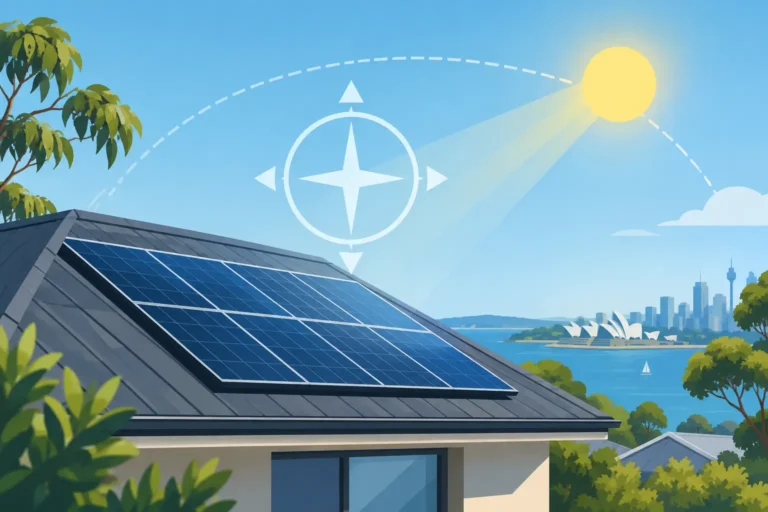
A large shed or homestead roof may offer excellent panel space, yet panel placement still needs care. North-facing panels traditionally produce strongly across the middle of the day, while east- and west-facing arrays can spread generation across the morning and afternoon. The best arrangement depends on your roof shape and when the property consumes energy.
Shading deserves close attention. A single tree branch, vent, satellite dish or neighbouring structure can affect output across part of an array. In country areas, seasonal growth and the position of mature trees should be considered before finalising the design. A quality site inspection helps identify these details early, rather than leaving performance to chance.
Solar for regional NSW homes starts with usage
Before selecting panel numbers or battery capacity, look at interval data where it is available. This shows when your home uses electricity, rather than simply how much it uses in total. It is one of the clearest ways to decide whether more panels, a battery, load shifting or a combination of these options is likely to deliver better value.
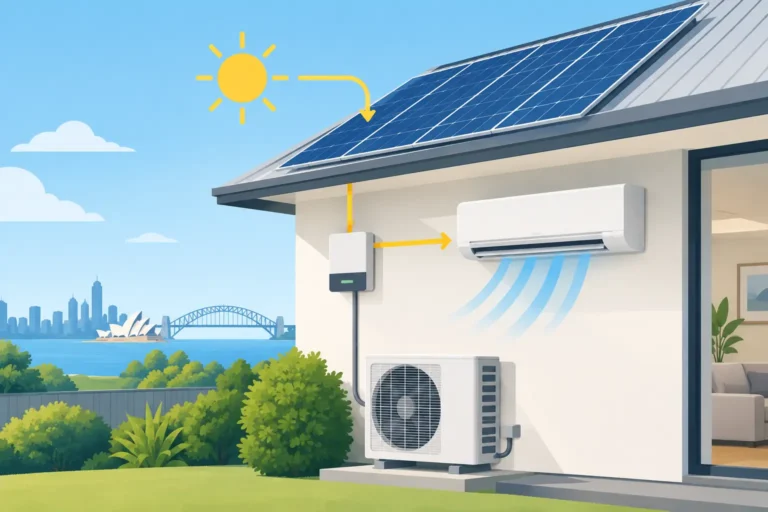
A household that uses energy through the middle of the day can often gain strong savings from rooftop solar alone. Running a dishwasher, washing machine, pool pump or hot water system while panels are producing can increase the amount of solar you use yourself. This is usually more valuable than exporting every spare kilowatt-hour to the grid for a modest feed-in tariff.
If most power is used after dark, a battery may improve solar self-consumption. It stores excess daytime generation for use in the evening and can reduce reliance on the grid during higher-cost periods. However, batteries are not automatically the right choice for every home. Their value depends on your evening usage, tariff structure, desired level of backup and budget.
A well-designed solar system should not be sold on one promise alone. It should show how system size, expected generation, self-consumption and export work together for your household.
Battery backup and resilience: know the difference
Many regional homeowners understandably ask whether a battery will keep the house running during a blackout. The answer is: it depends on the system design.
A standard battery installation may reduce your grid purchases without providing full backup during an outage. To supply power when the grid is down, the system needs backup-capable equipment and a properly designed backup circuit. Some homes choose to back up essential loads such as lights, refrigeration, internet, selected power points and a water pump. Others want broader whole-home backup, which may require more battery capacity and careful management of high-demand appliances.
Loads such as ducted air conditioning, large pumps, electric ovens and workshop equipment can draw significant power. Backing up everything is possible in some cases, but it is not always the most cost-effective choice. A sensible conversation about what must stay on during an outage will lead to a more practical design.
For homes that experience frequent interruptions, resilience can be worth more than a simple payback calculation suggests. Keeping food cold, communications working, water available and basic household comfort operating can make a genuine difference, especially in isolated locations or during severe weather.
When off-grid may be the better path
For a remote new build, shed conversion or property facing a costly grid connection, an off-grid solar and battery system can be a viable alternative. These systems require particularly careful planning because there is no grid to fill the gaps.
The design must account for winter generation, consecutive overcast days, generator integration where appropriate and large occasional loads. Oversizing a system without understanding these patterns can add unnecessary cost, while undersizing it can lead to frustrating limitations. This is where experienced, face-to-face advice matters most.
Equipment quality matters in regional conditions
Solar is a long-term investment, so equipment selection should be about more than the lowest upfront quote. Panels, inverters, mounting systems and batteries all have different roles, warranties and performance characteristics. Premium components from established manufacturers can provide confidence, but they still need to be matched to the property and installed properly.
Regional conditions can be demanding. Heat affects panel performance, wind loads need to be considered, and dust, pollen or bird droppings can reduce output if left to build up. In rural and semi-rural locations, vermin protection and careful cable management are also worthwhile parts of a professional installation.
Ask how the proposed system will be monitored after installation. Good monitoring allows you to see generation and consumption trends, spot unusual behaviour and make smarter choices about when to run appliances. It also gives your installer useful information if support is needed later.
Get the grid connection details right
Even a well-sized system needs approval to connect and export to the local network. Export limits can vary by area, and they may affect how much solar energy your system can send to the grid at any one time. This does not necessarily mean solar is a poor investment. It simply makes self-consumption, battery storage or export control settings more relevant to the design.
Your retailer plan also matters. A high feed-in tariff may sound attractive, but the rate you pay to buy electricity from the grid is usually much higher. For many households, using solar power in real time remains the strongest path to ongoing savings.
A clear proposal should explain the likely system size, expected output, assumptions behind estimated savings and any connection requirements. Be wary of figures that appear precise but do not account for your roof, usage habits or local network conditions.
A practical checklist before you commit
A solar quote should leave you feeling informed, not pressured. Before making a decision, make sure you understand these four areas:
- the system size and why it suits your current and future electricity use
- the panel, inverter and battery brands proposed, including warranty terms
- whether battery backup is included, and exactly which circuits will operate during an outage
- who will handle design, approvals, installation, commissioning and after-sales support
It is also sensible to discuss future plans. If you expect to add an electric vehicle, replace gas appliances, install a pool or build a granny flat, a system that allows for future expansion may be worth considering now.
For homeowners across regional NSW, solar should feel like a considered upgrade to the way your property runs – not a gamble based on a headline discount. IMS Energy takes the time to design around the property, the people living in it and the outcomes that matter most.
A good first step is to gather your recent bills, think about the appliances and comforts you want protected, and have a straightforward conversation about your goals. The right solar system is the one that keeps delivering value long after installation day.