A north-facing roof is often described as the gold standard for solar in Australia, but that does not mean every panel should point north. Solar panel orientation explained properly means looking beyond a compass direction to how your household or business uses power, the shape of the roof, nearby shade and whether a battery is part of the plan.
The best design is the one that produces useful energy when you need it, while fitting your property safely and neatly. For many homes and businesses across Canberra and NSW, a mixed panel layout can deliver stronger value than a simple north-only system.
Solar panel orientation explained: what it actually means
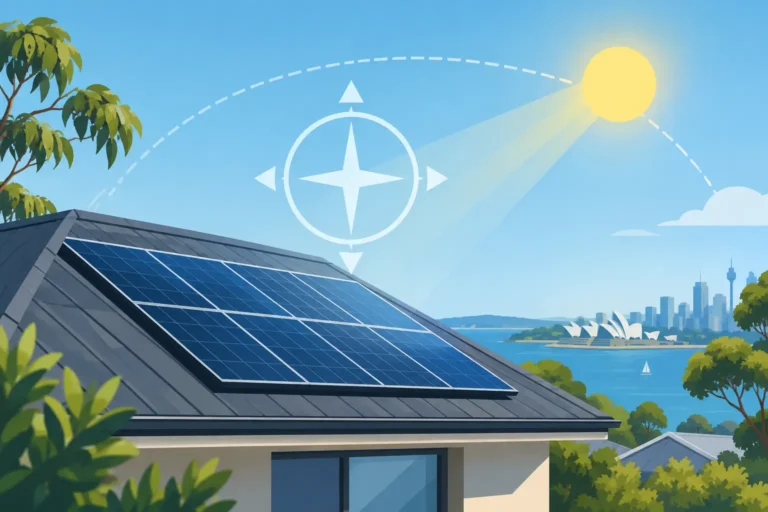
Panel orientation is the compass direction your panels face. In the Southern Hemisphere, north-facing panels generally receive the most sunlight across a full year. East-facing panels capture more morning sun, while west-facing panels produce more energy later in the afternoon.
Orientation is different from tilt. Tilt is the angle of the panels from horizontal, usually determined by your roof pitch. Both matter, but direction often has the bigger influence on when your system generates electricity.
A well-designed solar system is not judged only by its maximum annual production figure. It should also help reduce the electricity you would otherwise buy from the grid. That is why the timing of solar generation deserves as much attention as total output.
Why north-facing panels are popular
In Australia, the sun tracks through the northern part of the sky. North-facing panels are exposed to strong, consistent sunlight through the middle of the day, particularly over winter when the sun sits lower in the sky.
For a property with steady daytime use, such as a home where people work from home or a business operating during standard hours, this can be an excellent fit. North-facing arrays typically offer the strongest annual generation per installed kilowatt, all else being equal.
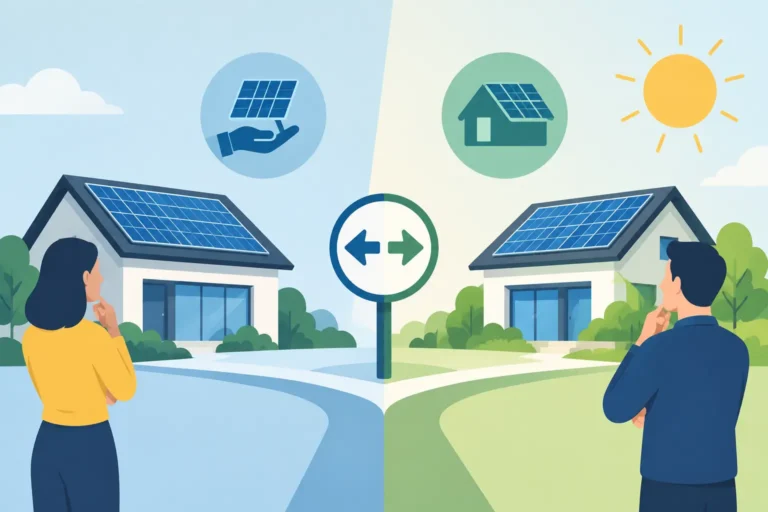
However, “all else being equal” is doing a lot of work here. Roof space, shade, electricity tariffs and daily consumption patterns are rarely identical from one property to the next. A system that chases the highest annual generation but exports most of its power at a low feed-in tariff may not provide the best financial outcome.
East and west panels can make better use of solar power
East-facing panels begin producing earlier in the morning. They can suit households with breakfast-time demand, electric hot water timers, pool pumps or occupants who leave home after using a meaningful amount of power in the morning.
West-facing panels carry production further into the afternoon, when many homes start using more electricity. Air conditioning, cooking, washing, electric vehicle charging and family life often create a stronger demand peak from late afternoon onwards. In some cases, west-facing panels can reduce grid purchases at a more valuable time than additional north-facing panels would.
An east-west split spreads production across more of the day. Rather than producing one sharp peak around midday, the system generates from earlier morning through to late afternoon. This is particularly useful for homes trying to maximise self-consumption without a battery, and for businesses with long operating hours.
There is a trade-off. East and west panels may produce slightly less energy over a full year than the same panels facing north. But if that energy better matches on-site use, the difference in savings can be small or even favourable. This is why a tailored consumption review matters more than a generic rule of thumb.
What about south-facing roofs?
South-facing panels are usually the least productive option in Australia, especially on steep roofs. They may still be considered where there is limited roof space, a very low roof pitch, minimal shading and a need for a larger system. Whether they are worthwhile depends on the predicted output, installation cost and the value of the extra energy.
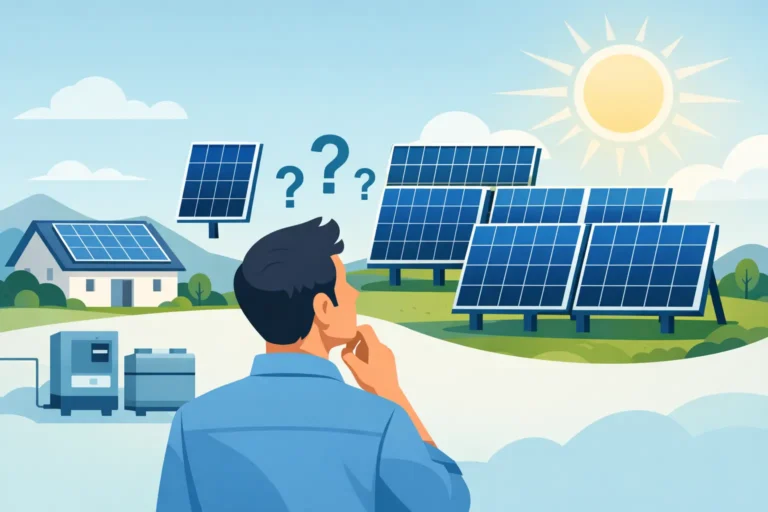
A south-facing roof is not automatically a reason to rule out solar. It is a reason to assess the design carefully. In some properties, panels can be installed on another roof face, a garage, a carport or a purpose-built ground-mounting structure instead.
Tilt matters, but roof pitch is usually a sensible starting point
The ideal panel tilt changes with latitude and whether the goal is maximum annual, summer or winter production. Across much of NSW and the ACT, an angle in the broad range of 20 to 35 degrees often performs well for year-round generation.
In practice, panels are commonly installed parallel to the roof. This keeps the system lower profile, visually integrated and less exposed to wind loads, while avoiding the additional cost and complexity of tilt frames. Most standard roof pitches are already close enough to an effective annual angle that the gains from changing tilt may be modest.
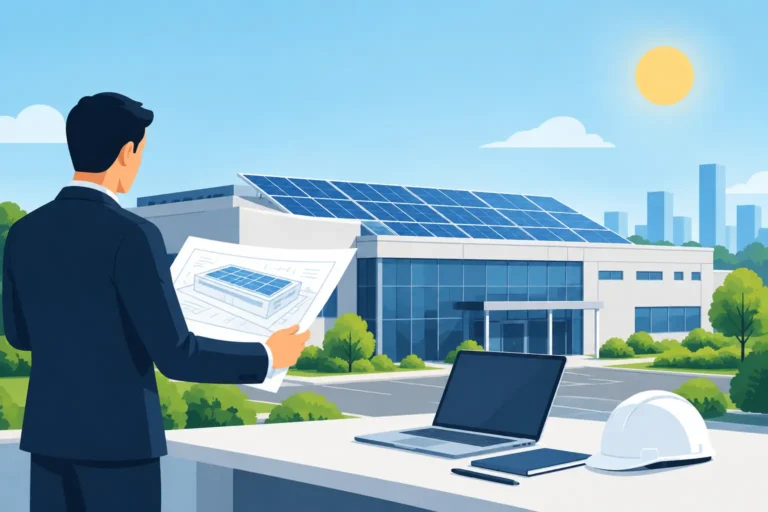
A flatter roof can benefit from a tilted mounting system. On commercial flat roofs, panels are often arranged in low-angle east-west rows or north-facing rows. The right choice depends on available space, wind engineering, drainage, row spacing and the building’s daytime load profile. East-west layouts can fit more panel capacity across a constrained flat roof because rows cast less shadow on each other.
Shade can outweigh a perfect orientation
A north-facing roof with regular shade is not necessarily better than a clear east- or west-facing roof. Trees, chimneys, neighbouring buildings, roof vents, antennae and even seasonal leaf growth can reduce output.
Shade is especially relevant because it changes throughout the day and year. A tree that causes little issue in summer may cast a long shadow across panels in winter. A quality site assessment considers this pattern rather than judging shade from a single inspection time.
System design can help manage unavoidable shade. Depending on the property, panel placement, separate strings, power optimisers or microinverters may reduce the impact of shading on the wider array. These options are not required for every installation, and they should be selected because they solve a genuine design issue, not because they sound impressive on a quote.
Match orientation to your power use and tariff
The most useful question is not simply, “Which roof face is best?” It is, “When does this property use electricity?” Reviewing interval data, where available, gives a clearer answer than relying on average quarterly bills alone.
A family with high evening consumption may benefit from west-facing capacity and a battery. A regional property with pumps and machinery running through the morning may place more value on east-facing production. A commercial site with steady weekday demand may be well served by a north-facing array, an east-west layout, or a combination of both.
Your tariff also affects the calculation. Time-of-use tariffs can make electricity more expensive during particular periods, often later in the day. A battery can store surplus midday solar for evening use, which may reduce the need to prioritise a west-facing layout. Even then, west-facing panels can remain valuable because they can support afternoon loads directly and preserve battery capacity for later.
For off-grid and backup-focused systems, orientation should be considered alongside seasonal production and storage requirements. Winter solar performance, generator support and critical loads all need careful planning. The right design is about dependable power, not just a large number on a summer generation chart.
Roof space, appearance and safety are part of the decision
A solar layout should respect the building as well as the energy model. Roof penetrations, access pathways, fire safety considerations, structural condition and future maintenance all influence where panels can go. Sometimes the most productive theoretical layout is not the safest, cleanest or most practical layout to install.
Panel placement can also affect the visual result. A balanced design across roof faces often looks more considered than filling every available section, though appearance should never come at the expense of system performance and compliance. The aim is a quality installation that suits the property for the long term.
This is where face-to-face advice adds value. IMS Energy designs systems around the roof, energy needs, budget and future plans, including batteries, electric vehicles and changing household demand. A clear production estimate should show how each roof face contributes, not hide important assumptions behind one headline number.
How to make the right orientation choice
Start with an honest view of your electricity use today, then consider what may change in the next five to 10 years. An electric vehicle, reverse-cycle heating, induction cooking, a pool or a home office can shift when and how much power you use.
Next, assess the roof itself: its direction, pitch, usable area, condition and shading. From there, compare a few realistic designs rather than assuming north is the only answer. A trusted installer should be able to explain the expected generation, self-consumption and likely savings for each option in plain language.
The best orientation is rarely about chasing a perfect compass bearing. It is about building a solar system that works with your roof and supports the way you want to live or operate – reliably, safely and with long-term value in mind.