A solar quote can look convincing on paper, but the real value of your system is decided long before the panels go on the roof. Choosing a clean energy council installer, or a provider with the right current solar accreditation, is about protecting a major investment in your home or business. It is also about knowing who will be there to answer questions after installation day.
For Australian customers, the term has become a familiar shorthand for a qualified, trustworthy solar professional. But credentials are only one part of the decision. A well-designed system, quality products, safe workmanship and straightforward after-sales support all matter if you want dependable savings for years to come.
What does a Clean Energy Council installer mean?
Many Australians still search for a Clean Energy Council installer when comparing solar providers. Historically, the Clean Energy Council managed solar installer accreditation. That accreditation function has since moved to Solar Accreditation Australia, while the Clean Energy Council continues to play an important role in the broader clean energy industry and retailer programs.
The wording may have changed, but the practical question remains the same: is the person designing and installing your solar system appropriately qualified and accredited for the work being completed?
Accreditation and licensing requirements help support safe, compliant installation. They are particularly relevant when you are applying for incentives such as Small-scale Technology Certificates, commonly called STCs. Your installer should be able to explain the current requirements clearly, rather than relying on vague assurances or outdated terminology.
A reputable provider will also be open about who is doing the electrical work, whether subcontractors are involved, and how the job will be supervised. There is nothing wrong with a specialist team working together. What matters is accountability from design through to commissioning.
Credentials matter, but design matters just as much
Two installers can offer similar panel and battery brands, yet deliver very different outcomes. The difference often comes down to system design.
A tailored solar design starts with your electricity use. A family that uses most of its power in the evenings has different priorities from a household running a pool pump during the day. A regional business with steady daytime demand may benefit from a larger rooftop system, while a remote property may need battery backup or a complete off-grid approach.
Your roof also shapes the answer. Its orientation, pitch, available area, shading, switchboard capacity and future access all need consideration. In Canberra and across NSW, seasonal conditions and local climate can influence generation patterns too. A good installer will not simply select the largest system that fits. They will recommend a system that suits how you use energy, what you want to spend and where you want to be in five or ten years.
This is where cheap, one-size-fits-all quotes can become costly. An oversized system may produce more energy than you can use or store, while an undersized one may leave savings on the table. Neither outcome is automatically wrong, but both should be explained in plain language before you commit.
Ask how your savings estimate was calculated
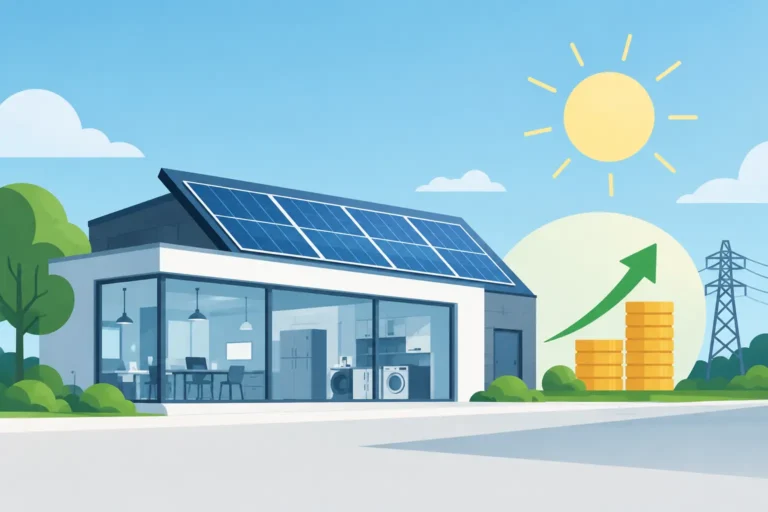
Estimated savings are useful, but they are not a guarantee. They depend on your consumption habits, retail electricity rates, solar feed-in tariffs, weather, tariff changes and how much solar power you consume on site.
Ask your provider to walk you through the assumptions behind the estimate. Is it based on your actual bills or a generic consumption profile? Does it account for planned changes, such as purchasing an electric vehicle, adding air conditioning or moving to electric hot water? Has battery use been treated realistically?
An honest answer may include a range rather than one impressive number. That is a good sign. Solar should be presented as a long-term energy decision, not a promise that ignores the variables.
How to compare solar quotes properly
Price matters, especially when electricity bills are already putting pressure on household and business budgets. However, the cheapest quote is rarely the clearest indication of value.
Start by checking that each quote describes the same scope of work. Panel capacity alone is not enough. Look at the inverter model, panel brand, mounting system, switchboard upgrades, monitoring, site access allowances, battery readiness and any exclusions. A lower price can reflect a smaller inverter, reduced installation scope, limited support or components that are harder to service later.
Pay close attention to warranties as well. There is usually more than one: a product warranty for the equipment, a performance warranty for panels, and a workmanship warranty for installation. Ask who handles a fault if one occurs. Will you need to deal with a manufacturer directly, or will your provider coordinate the process?
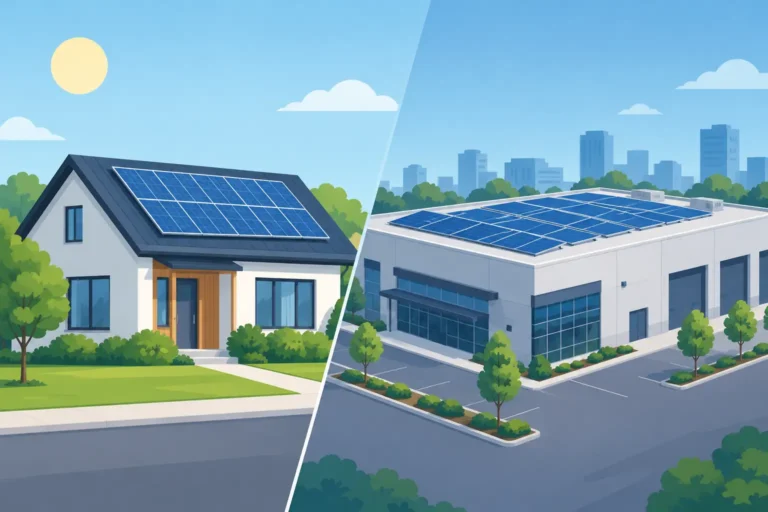
For commercial customers, the discussion should go further. Consider demand patterns, operating hours, roof condition, future expansion, business continuity and the reporting you need for internal sustainability targets. The right commercial solar system should support your operations, not create an administrative burden for your team.
Questions worth asking before you sign
A trustworthy solar provider should welcome informed questions. Before accepting a quote, ask whether the system has been designed around your energy usage, what approvals are required, and how long the installation is expected to take.
It is also sensible to ask who will be your point of contact after the system is commissioned. Find out what the handover includes, how monitoring will be set up, and what support is available if an alert appears or your energy needs change.
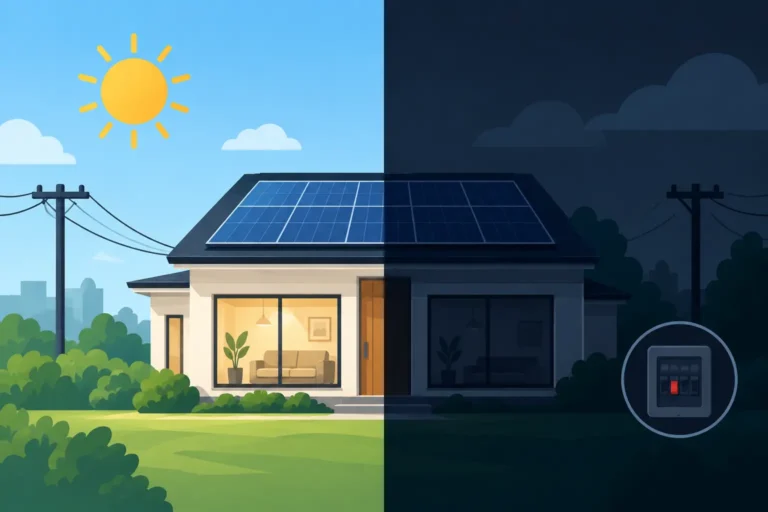
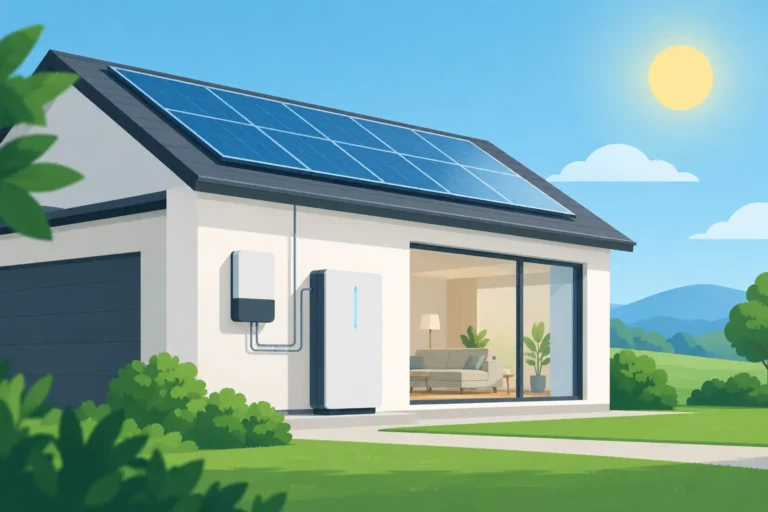
If you are considering a battery, ask for a clear explanation of what it will and will not do during a blackout. Not every battery system provides backup power automatically. Backup capability can require additional equipment, selected circuits and specific configuration. For some homes, that added cost is worthwhile. For others, using a battery mainly to increase solar self-consumption may be the better fit.
The same principle applies to premium equipment. Well-known brands can provide confidence, but the best product is the one that fits the complete system design, budget and service plan. A premium panel cannot compensate for poor placement, inadequate electrical work or a provider that disappears once payment is made.
The value of local, face-to-face advice
Solar is a long-term asset attached to your property. It deserves more than a quick sales call and a generic proposal sent from interstate.
Local experience can make a practical difference when assessing roofs, arranging network approvals, understanding site conditions and returning for support when needed. For regional properties, it can be especially valuable to work with a provider that understands access, weather exposure and the realities of distance.
At IMS Energy, the focus is on clear advice and customised solar solutions rather than pushing a standard package. That means taking the time to understand your property, your energy goals and the level of independence you want from the grid.
Choose the provider, not just the package
A solar system should lower your reliance on purchased electricity while giving you confidence in the quality of the work behind it. Current accreditation, electrical licensing and compliant installation are essential foundations. Beyond that, look for a provider that explains the design, shows its assumptions, specifies the equipment and remains available after the job is complete.
The right installer will not pressure you to make a rushed decision. They will help you weigh the trade-offs, understand your likely savings and choose a system that makes sense for the way you live or operate. That is the kind of guidance that turns solar from a rooftop purchase into a practical, lasting energy investment.