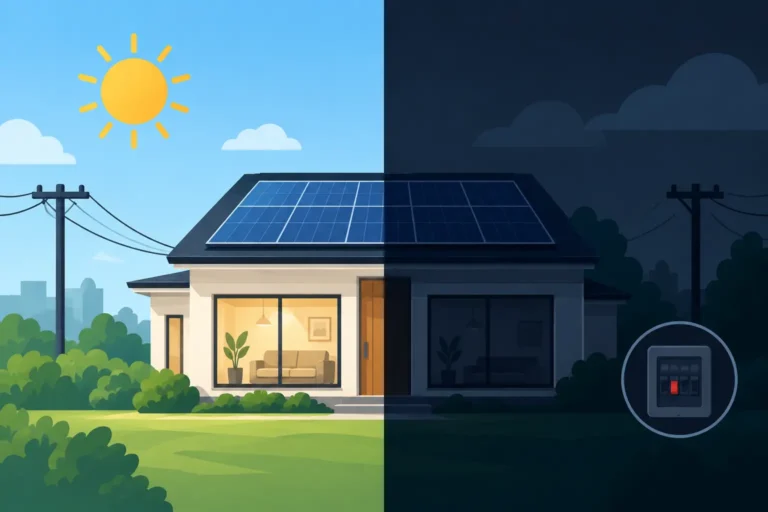
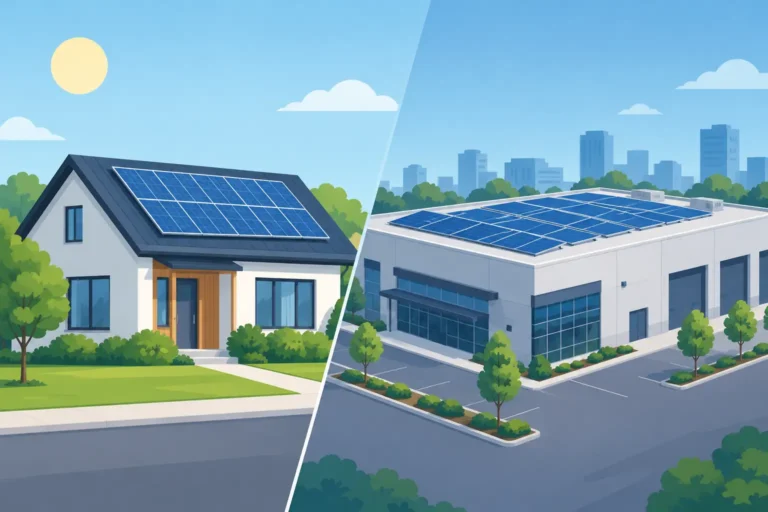
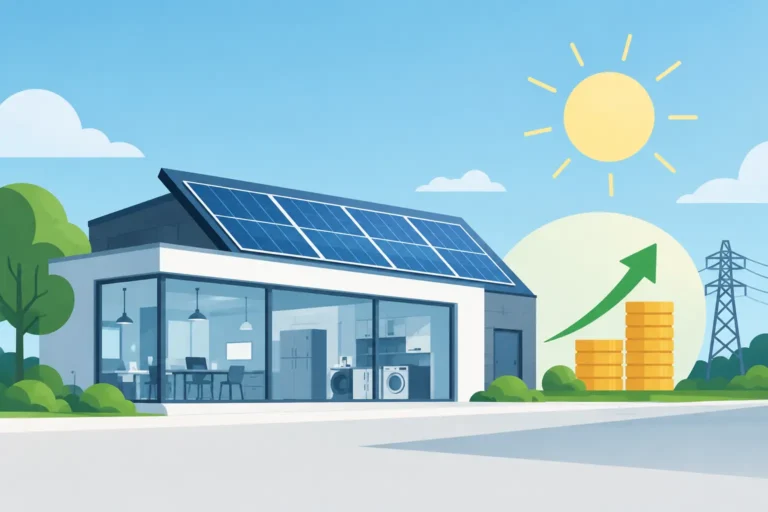
A higher electricity bill is rarely caused by one thing. For most businesses, it is the combined effect of operating hours, rising network charges, peak demand and the amount of energy used when the sun is not shining. This guide to business solar incentives explains where financial support may fit into a commercial solar project – and why the right system design matters just as much as the incentive itself.
For businesses in Canberra and across NSW, solar can reduce the cost of daytime operations while supporting a more resilient, lower-carbon business. The strongest outcomes usually come from looking at incentives, tax treatment, electricity usage and future growth together, rather than choosing a system based on the biggest advertised discount.
Your guide to business solar incentives
Business solar incentives in Australia can come from several places. Some reduce the upfront cost, while others improve the financial return over time. What is available depends on your system size, location, business structure, energy retailer and the rules in place when your project is installed.
The key is to treat an incentive as part of the project economics, not the reason for the project. A well-matched commercial solar system should still make sense because it generates useful power for your business. Incentives can make that investment more accessible and shorten the expected payback period.
Small-scale Technology Certificates
For many smaller commercial rooftop systems, Small-scale Technology Certificates, commonly called STCs, can provide an upfront discount. These certificates are created under the Small-scale Renewable Energy Scheme and are generally available for eligible solar systems below 100 kW.
The number of certificates depends on the system’s capacity, its installation location and the scheme’s annual settings. Because the scheme reduces over time and is scheduled to finish at the end of 2030, waiting for a better incentive can be a costly strategy. Your quote should clearly show whether STCs have been included and how their value has been calculated.
Systems at or above 100 kW sit under different rules. They may be considered under the large-scale certificate framework, but eligibility, registration requirements and administration can be more involved. This is one area where early, site-specific advice can prevent incorrect assumptions about the project budget.
Tax deductions and depreciation
A commercial solar system is generally a business asset, which means its cost may be depreciated over time. Depending on your business and the tax rules that apply in the relevant financial year, there may also be measures that allow eligible businesses to claim deductions sooner.
Tax treatment is valuable, but it should never be estimated casually in a sales conversation. Your accountant can confirm how solar, battery storage, finance costs and any applicable write-off measures apply to your business structure. Ask them to consider the installed system cost after any certificate discount, not simply the headline price.
State programs, local opportunities and network requirements
Government and council programs can change, open and close without much notice. Occasionally, a grant, energy-efficiency program or low-interest finance option may be available for particular industries, regional businesses, upgrades or sustainability projects.
These opportunities can be worthwhile, especially for a business planning a broader upgrade involving efficient lighting, refrigeration, air conditioning or electric vehicle charging. However, many programs have specific eligibility criteria, funding rounds and approval timeframes. Do not order equipment on the assumption that funding will be approved.
Your local electricity network also has a major influence on the project. Export limits, connection approval requirements and available network capacity can affect the final system size and how much surplus solar can be sent to the grid. In some cases, a smaller system designed to offset on-site usage delivers a better return than a larger system that exports heavily at a low feed-in rate.
Battery incentives and commercial storage
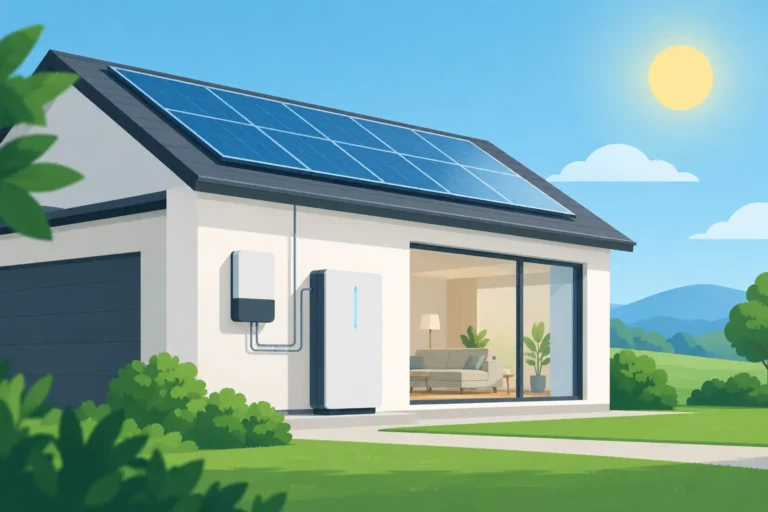
Battery support has become an important consideration for some businesses, particularly those with evening trading hours, high demand charges or a need for backup power. National and state-based battery programs can change, and eligibility may depend on battery capacity, approved equipment and the way the system is installed.
A battery is not automatically the right next step. If your business uses most of its solar generation during the day, more panel capacity may provide better value. Storage becomes more compelling when it can avoid expensive grid consumption after sunset, reduce peaks, support critical loads or improve energy independence at a site with unreliable supply.
Start with your energy use, not a panel count
The most useful solar incentive is often the one you create yourself by using your own solar power. Every kilowatt-hour generated and consumed on site can avoid buying electricity at your retail rate. Exported energy still has value, but it is often worth less than the electricity your business would otherwise purchase from the grid.
A tailored design starts with at least 12 months of electricity bills, ideally including interval data for larger sites. This shows when your business uses energy, how seasonal demand changes and whether demand charges are affecting your bill.
Match generation to operating hours
A warehouse running forklifts and equipment through the day, a medical practice with weekday appointments and a food business with early-morning preparation all have different load profiles. Two businesses with similar annual consumption may need very different solar designs.
For example, a business that closes by 3 pm may prioritise east-facing panels to capture earlier generation. A site with a strong afternoon load may benefit from west-facing capacity. Roof orientation, shading, available switchboard capacity and future equipment upgrades should all be assessed before a system size is recommended.
Plan for what changes next
Consider where the business will be in three to five years. Will you add refrigeration, extend trading hours, install EV chargers or move more processes from gas to electricity? A system that is right for the current bill may be undersized once the business grows.
That does not always mean installing the maximum possible array now. Sometimes the sensible approach is to allow for future expansion through suitable inverter selection, switchboard planning or roof space allocation. The right choice depends on cash flow, expected growth and the site’s grid connection limits.
Build the case from savings, not promises
A quality commercial solar proposal should show more than the system capacity and an estimated annual saving. It should explain the assumptions behind the numbers: your current electricity tariff, expected self-consumption, export rate, estimated generation, likely degradation and any incentives included in the price.
Be cautious with payback claims that assume every unit of solar power offsets expensive grid electricity. Real savings depend on when solar is generated and when your business consumes it. A clear proposal should account for this rather than presenting an overly optimistic result.
Ask how the design manages shading, what equipment is proposed and how monitoring will help you track performance after installation. Premium panels, inverters and batteries can cost more upfront, but dependable equipment, sound warranty support and correct installation can protect the long-term value of the investment.
It is also worth comparing a cash purchase with finance options. Finance may preserve working capital and allow savings to begin sooner, but interest and fees need to be included in the total project cost. The best structure is the one that suits your business’s cash flow as well as its energy goals.
Get the paperwork and timing right
Most incentive issues arise when a project is rushed. Before accepting a quote, make sure the provider has assessed your site and explained the approval path. For a commercial project, the process may involve electrical upgrades, network applications, metering changes and, in some cases, structural or planning considerations.
Keep the following records together from the start:
- itemised quotes showing equipment, labour and certificate treatment
- electricity bills and interval data used for the savings assessment
- network approvals, connection correspondence and metering information
- invoices, commissioning documents, warranties and system handover records
These documents help with incentive claims, accounting, insurance and future maintenance. They also make it easier to verify that the completed system matches the agreed design.
Choose an installer with the appropriate solar accreditation and commercial experience, rather than treating installation as an afterthought. Commercial roofs, high-voltage equipment, access requirements and business continuity all need careful management. A good installation plan minimises disruption and leaves your team with a clear understanding of monitoring, shutdown procedures and support arrangements.
Questions worth asking before you commit
A solar proposal should stand up to practical questions. Ask whether the quoted incentive is confirmed or estimated, whether the system has been sized around your daytime consumption, and what happens if export approval is lower than expected. Ask how your current tariff and demand charges have been considered, whether battery storage has been assessed on its own merits, and what support is available after commissioning.
You should also ask what is excluded. Switchboard upgrades, metering work, crane access, roof repairs and network fees can be legitimate project costs, but they should not appear as surprises after you have signed.
At IMS Energy, the starting point is an honest assessment of the site, the bill and the business goals. A properly planned system can make available incentives work harder, while giving you a clearer path towards lower operating costs and greater confidence in your energy future.