Power bills have a way of creeping from overhead to headache, especially when your business runs long hours, uses heavy equipment or relies on refrigeration, air conditioning or machinery every day. That is why a solar system for commercial use has become a practical business decision, not just an environmental one. For many Australian operators, the real question is no longer whether solar is worth considering, but how to choose a system that actually matches the way the business works.
What a solar system for commercial use really needs to do
Commercial solar is not just residential solar on a bigger roof. A business system needs to line up with trading hours, seasonal demand, site layout, future growth and the financial goals behind the investment. A warehouse, medical clinic, school, farm shed and retail site can all need very different outcomes, even if their monthly bills look similar at first glance.
The best systems are designed around when power is used, not simply how much. If your business consumes most of its electricity during daylight hours, solar can directly offset expensive grid power while the sun is shining. That usually creates the strongest savings. If your demand spikes early in the morning, at night or across weekend operations, the design may need to consider battery storage, load shifting or a staged system approach.
This is where tailored planning matters. A system that looks cheaper on paper can underperform if the panel layout, inverter sizing or export assumptions are wrong for the site. Commercial solar works best when the design starts with your usage profile and ends with equipment that suits the building and budget.
Why businesses are investing now
Electricity costs are one of the few overheads that can be actively reduced through infrastructure you control. That makes solar appealing to businesses that want greater certainty, particularly in sectors where margins are under pressure.
The savings are often the first reason people enquire, but not the only one. A well-designed commercial system can help improve cash flow over time, reduce exposure to rising energy prices and support stronger sustainability credentials. For customer-facing businesses, that cleaner energy story can also strengthen brand perception. For industrial and regional operators, the appeal is often resilience and a more dependable energy strategy.
There is also a practical timing factor. Many Australian businesses are now replacing ageing electrical infrastructure, upgrading sites or planning for growth. Adding solar during that process can make more financial sense than treating it as a separate project later.
How system size is worked out
One of the most common misconceptions is that bigger always means better. In reality, the right size depends on how much of the generated solar power your business can use on site.
If a system is oversized for your daytime consumption, too much energy may be exported to the grid at a lower return than the retail rate you are trying to avoid. That does not always make oversizing a bad move, but it changes the payback equation. In some cases, a larger system is still worthwhile if the business expects to add equipment, extend operating hours or install batteries in the future.
When sizing a commercial system, the main questions usually include how your site uses power across the day, whether energy demand changes by season, how much usable roof space is available and what electrical constraints exist on site. Shading, roof pitch, switchboard condition and network export limits can all influence the final design.
This is why a proper site assessment matters. A business should not be sold a standard package without anyone checking how the building performs in the real world.
Equipment matters, but design matters more
Businesses understandably ask about panel brands, inverter quality and warranty periods. Those things do matter. Premium equipment can support stronger output, longer life and better monitoring. But high-end components alone do not guarantee a better result.
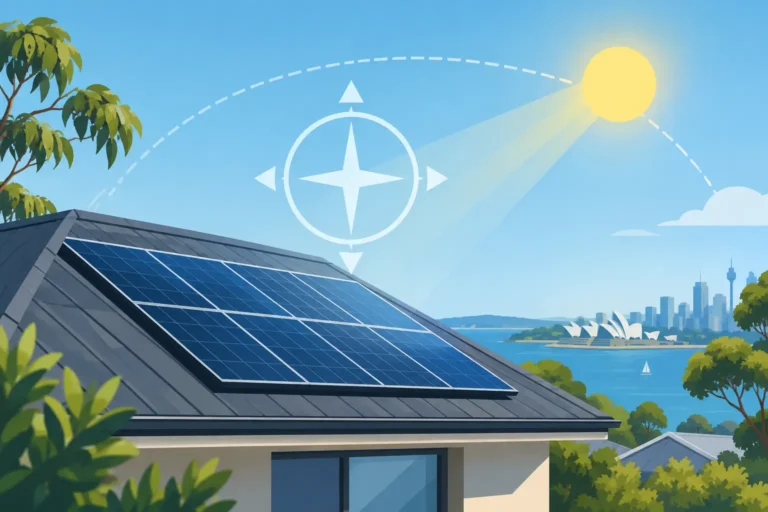
The design and installation quality have just as much impact. Panel orientation affects generation patterns. Inverter selection affects efficiency and control. Cable runs, mounting systems and compliance work all affect safety and long-term reliability. If the installer does not properly account for roof access, weather exposure or future maintenance, a premium system can still become a frustrating one.
That is why commercial clients should look beyond the headline price and ask how the system has been engineered for their site. Good advice is rarely about selling the largest possible setup. It is about building a solution that performs well over years, not just in a proposal.
When batteries make sense for commercial sites
Battery storage is getting plenty of attention, but it is not automatically the right add-on for every business. Whether it stacks up depends on your energy profile, tariff structure and goals.
For some sites, batteries can help store daytime solar energy for use later, reduce peak demand charges or provide backup support during outages. That can be valuable for businesses where downtime is costly, such as food operations, medical services or sites with critical equipment. In regional areas, batteries may also support a broader resilience plan where grid reliability is a concern.
For others, the immediate return may still be stronger from solar alone. If most energy is already used during the day, the extra cost of storage may not improve payback enough right now. That does not mean batteries are off the table forever. It may simply mean designing the solar system so battery integration is possible later.
A sensible recommendation should reflect current economics and future flexibility, not just trends.
Commercial solar and the Australian site challenge
Australian businesses operate in very different conditions. Metro sites may deal with complex grid rules, limited roof access or neighbouring buildings that create shade. Regional properties may have large roof areas but different load patterns, harsher environmental exposure or more interest in backup and off-grid capability.
Heat also matters. Solar panels generate electricity in sunlight, but excessive heat can reduce performance. That makes product quality, installation method and ventilation around the panels important in our climate. Likewise, roofing type matters. Metal roofs, tile roofs and ground-mount options each bring different installation considerations.
For businesses across Canberra and New South Wales, no two sites are exactly the same. A practical design process needs to account for local conditions rather than treating every commercial roof as interchangeable.
What to expect from the installation process
A commercial project should feel organised and transparent from the start. That begins with understanding your electricity usage, inspecting the site and discussing what success looks like for your business. Some owners want the fastest payback possible. Others prioritise power security, future expansion or a cleaner operating footprint.
From there, the system design should be clearly explained. You should know what equipment is being recommended, why it suits the site and what output assumptions the savings estimates are based on. If approvals or network applications are needed, those should be handled carefully and communicated in plain language.
Installation itself needs to be planned around business continuity. For many sites, that means scheduling work to minimise disruption, managing safety requirements and coordinating any electrical shutdowns properly. A good installer also thinks beyond commissioning. Monitoring, support and after-sales service are part of the value, especially for a commercial customer making a significant investment.
The financial case is strong, but not identical for every business
Most business owners want to know one thing early on – what is the return? That is a fair question, but the answer depends on more than system cost versus estimated generation.
Tariff rates, operating hours, self-consumption, financing method and available incentives can all affect the outcome. Two businesses installing similar-sized systems may see very different savings if one uses most of its power during the day and the other closes at lunchtime.
That is why straight-line promises should be treated carefully. Honest advice includes the variables. It should also consider your broader business plans. If electricity use is likely to increase because of new equipment, refrigeration, electric vehicles or expanded operations, your solar decision should reflect that now rather than forcing an expensive redesign later.
The strongest commercial solar outcomes usually come from aligning technical design with business reality. That means asking better questions at the start, not just chasing the cheapest quote.
Choosing a solar partner for your business comes down to trust as much as technology. You want clear answers, quality products and a system designed for the way your site actually runs. If the advice feels honest and the solution feels tailored, you are far more likely to end up with a commercial solar system that keeps delivering long after the installation crew has packed up.