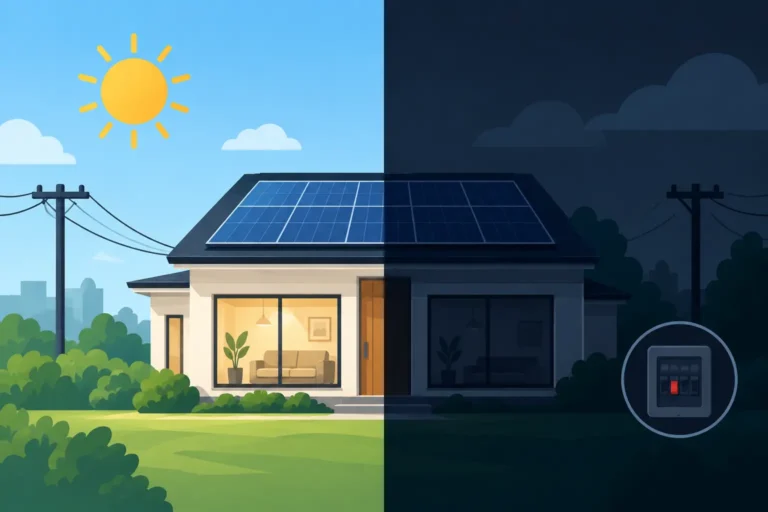
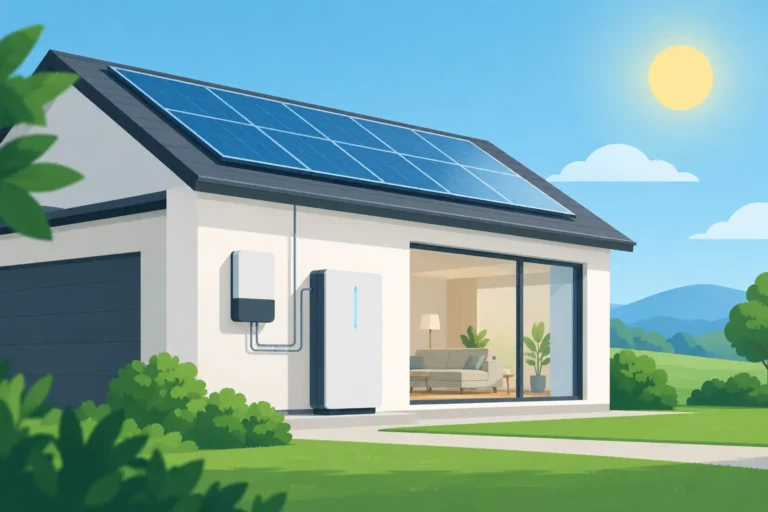
A cheap panel can look good on paper until it faces a run of hot summer days, partial shade in the afternoon, and years of weather on an Australian roof. That is why choosing the best solar panels for homes is rarely about picking the panel with the biggest marketing claim. For most households, the right choice comes down to how well the panel suits your roof, your power use, your budget, and how long you plan to stay in the home.
Solar panel shopping can feel crowded fast. Every brand talks about performance, warranty and savings, and many homeowners are left trying to compare products that seem almost identical. In reality, there are meaningful differences, but the best result usually comes from looking at the whole system rather than treating the panel as a standalone purchase.
What makes the best solar panels for homes?
The best solar panels for homes tend to share a few core traits. They offer strong real-world performance, not just impressive lab numbers. They handle heat reasonably well, keep degradation low over time, and come from manufacturers with a solid track record. Just as importantly, they are backed by warranties that are worth something in practice, not only in the brochure.
Efficiency is often the first number people look at, and it does matter. A more efficient panel can produce more power in the same roof space, which is valuable if your usable roof area is limited. But efficiency is not everything. If you have plenty of roof space, a slightly less efficient panel with proven durability and good value may be the smarter investment.
Panel performance in Australian conditions also matters. Roofs in Canberra, Sydney, regional NSW and across the country deal with strong sun, high temperatures, storms and seasonal variation. A panel that performs well under heat and continues producing reliably year after year will usually serve a household better than one that simply looks impressive in a spec sheet comparison.
Not all homes need the same type of panel
This is where many comparisons become too simplistic. The best panel for a compact suburban roof may not be the best panel for a larger regional property. A family running air conditioning, a pool pump and working from home has a different load profile from a retired couple with low daytime usage.
If your roof has limited space, premium high-efficiency panels can help maximise output. If your home has some shading from trees or neighbouring buildings, panel layout and inverter choice may matter just as much as the panel brand itself. If budget is a major concern, there are quality mid-range options that can still deliver strong savings when the system is designed properly.
That is why tailored system planning matters. A well-matched solar setup should consider roof orientation, pitch, shading, household consumption patterns and whether you want to add battery storage later. The panel is important, but it is one part of a broader decision.
Premium, mid-range and budget panels
In practical terms, residential solar panels usually fall into three broad groups.
Premium panels are built for households that want top-tier efficiency, excellent product support and strong long-term confidence. These are often a good fit for architecturally sensitive homes, homes with limited roof space, or customers who want premium performance and are comfortable paying more upfront.
Mid-range panels are where many Australian homeowners find the sweet spot. They can offer reliable output, good warranties and strong value without stretching the budget too far. For many homes, this category delivers the best balance of cost and long-term return.
Budget panels can work in some cases, but they require more caution. The problem is not simply that they are cheaper. The risk is that lower upfront pricing can come with weaker support, less consistent manufacturing standards, or performance that drops away sooner than expected. Saving money at installation can cost more later if the system underperforms or becomes difficult to support.
How to compare solar panels without getting lost in the details
A sensible comparison starts with five things: efficiency, temperature coefficient, degradation, product warranty and manufacturer reputation.
Efficiency tells you how much electricity the panel can generate from available sunlight in a given area. This matters most when roof space is tight.
Temperature coefficient gives an indication of how well the panel performs as temperatures rise. Since solar panels operate in full sun, this is highly relevant in Australian conditions. A panel with better heat performance can make a noticeable difference over time.
Degradation refers to the gradual decline in output as the panel ages. All panels degrade, but lower degradation means the system should retain more of its generation capacity over the years.
The product warranty covers the panel itself against defects, while the performance warranty relates to output over time. Longer warranties can be reassuring, but they should be weighed alongside the brand’s stability and local support presence.
Manufacturer reputation matters because a warranty is only as useful as the company standing behind it. Established brands with a history of quality control and market presence generally offer more confidence than unknown names competing only on price.
Best solar panels for homes with batteries in mind
More Australian households are thinking beyond daytime bill savings and looking at battery-ready systems. If that is on your radar, it makes sense to choose panels that pair well with a system designed for future expansion.
The panels themselves do not need to be “battery panels”, but the overall system should be planned with battery integration in mind. That means considering inverter compatibility, available roof production, and whether the system is sized to cover both daytime usage and enough excess generation to charge a battery effectively.
For some homes, installing a slightly larger solar array now can make more sense than upgrading again later. It depends on your current energy use, feed-in tariff, evening consumption and budget. A good installer should talk through those trade-offs clearly rather than pushing a standard package.
Why installation quality matters as much as the panel brand
A high-quality panel installed badly will never perform the way it should. This is one of the biggest reasons homeowners can end up disappointed even when they buy recognised equipment.
The design and installation process affects everything from output and safety to visual presentation and long-term reliability. Correct panel placement, tidy cable runs, suitable mounting systems, and proper consideration of roof layout all influence how well the system performs over time.
This is also where a full-service provider adds real value. Honest advice, careful product selection and professional installation can make a greater difference than chasing a panel that looks marginally better in a comparison chart. A tailored approach usually produces better outcomes than a one-size-fits-all deal.
What brands should homeowners look at?
There is no single best brand for every home, but there are several manufacturers that consistently attract attention for residential solar in Australia. Premium and well-regarded options often appeal to homeowners who want dependable long-term performance and confidence in the backing behind the product. Brands such as LONGi are commonly considered because they combine strong manufacturing reputation with solid performance across a range of residential applications.
That said, the better question is not just which brand is best. It is which panel is best for your home, your roof and your expected energy savings. Even an excellent brand can be the wrong fit if the system is undersized, poorly configured or selected without considering your future plans.
The real measure of value
For most households, value is not the cheapest quote and it is not necessarily the most expensive system either. Real value is the point where quality equipment, smart design and reliable installation work together to produce meaningful savings over the long term.
A slightly higher upfront investment can be worthwhile if it means better generation, lower degradation and stronger support. On the other hand, paying for the top shelf option is not always necessary if a well-chosen mid-range panel will meet your needs and deliver a better payback period.
This is especially true for families who want to reduce electricity bills without overcapitalising. The best system is the one that performs consistently and suits the way your household actually uses power.
If you are comparing quotes, ask how the panel choice relates to your roof space, expected output, future battery plans and long-term return. The quality of those answers will tell you a lot about the quality of the provider.
For homeowners who want straightforward guidance, the strongest solar decisions usually come from a proper conversation rather than a race to the lowest number. The right panel should leave you feeling confident not only about what is on your roof, but about the support behind it for years to come.