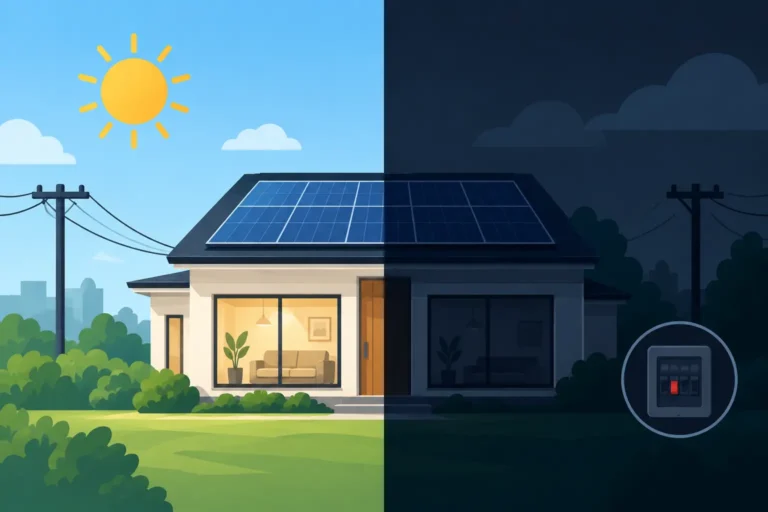
A remote home should not have to ration power every time a cloudy week rolls in. A well-designed off-grid solar guide starts with that reality: your system needs to supply the energy you use, when you use it, through changing weather and seasons. It is not simply a matter of adding more panels to the roof.
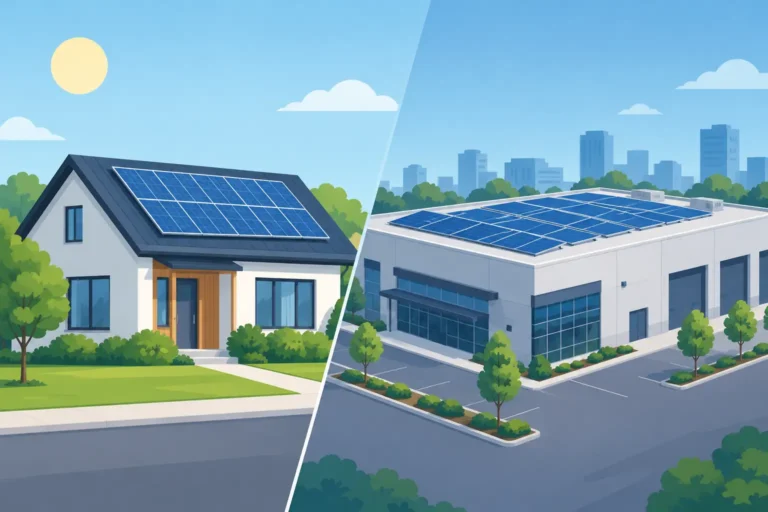
For Australian households, farms, sheds, accommodation sites and businesses beyond reliable mains power, off-grid solar can provide genuine independence. The right design can replace noisy generator dependence, reduce fuel costs and give you confidence that essential loads will keep running. Getting the sizing right from the outset is what makes that independence practical.
What an off-grid solar system needs to do
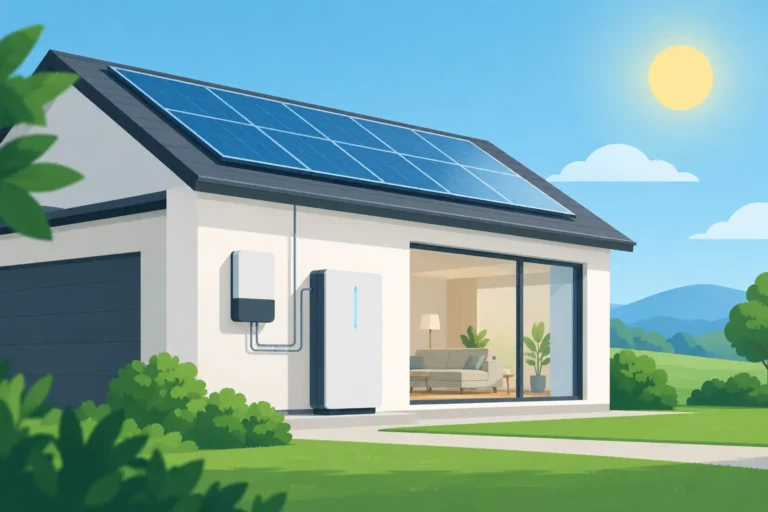
An off-grid system generates, stores and manages its own electricity. Solar panels produce power during daylight hours, an inverter converts it into usable AC power, and batteries store surplus energy for the evening, overnight and low-sun periods. Most systems also include a generator connection for extended poor weather, unusually high demand or emergencies.
Unlike a grid-connected system, there is no network to quietly cover a shortfall. Every major appliance, seasonal change and future energy need must be considered during planning. That is why an off-grid design is tailored around the property, rather than selected from a standard package.
A quality system balances four core components: sufficient solar generation, usable battery capacity, an inverter that can handle peak demand, and reliable backup generation where appropriate. Each part affects the others. A large battery without enough solar to recharge it will disappoint, while a generous solar array cannot solve the problem if battery storage or inverter capacity is too limited.
Start with how you actually use power
The most useful first step is an honest picture of daily energy use. Electricity bills can help where a property already has grid supply, but they do not always show the full story. A new build, a holiday home or a remote workshop may have different loads once it is occupied and operating as intended.
Look beyond the obvious items such as lighting, refrigeration and televisions. Pumps, electric hot water, pool equipment, power tools, refrigeration, air conditioning, electric cooking and water treatment can make a significant difference. A bore pump that runs for a short period may use modest daily energy but demand a high surge of power when it starts. That affects inverter selection.
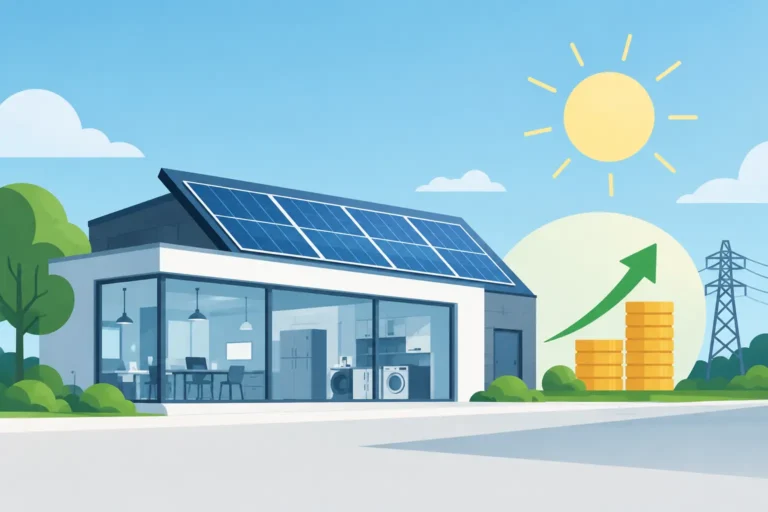
It also matters when appliances operate. Running a dishwasher, washing machine or workshop equipment during the middle of a sunny day allows the solar array to carry more of the load directly. Charging an EV overnight, heating water electrically at dawn or using several high-draw appliances at once requires more stored energy and greater inverter capacity.
For commercial and rural sites, include operational loads that can be easy to miss: gate motors, security systems, communications equipment, cool rooms, livestock infrastructure and staff amenities. A good design should account for the way the site runs on an ordinary day, not just its lowest possible consumption.
Plan for the toughest season, not the best day
Solar production changes across the year. A system that feels oversized in a bright NSW summer may be working much harder through winter, when days are shorter and cloud cover can linger. Canberra and regional areas can also experience cold mornings and winter weather patterns that influence both generation and household demand.
This does not mean every off-grid property needs enough panels and batteries to live exactly as it does during a rare week of severe weather. That approach can become unnecessarily expensive. It means deciding, with clear eyes, which loads are essential, how much generator support is acceptable and what level of energy comfort you expect year-round.
Choosing the right solar array and battery size
Panel capacity is often discussed in kilowatts, while energy use and battery storage are measured in kilowatt-hours. Both figures matter. The solar array needs to generate enough energy to cover daytime use, recharge the battery after overnight consumption and recover after lower-production days.
Battery capacity should be sized around usable energy, not simply the number printed on a brochure. Battery chemistry, operating settings and system design determine how much stored energy is available in practice. The aim is to provide an appropriate level of autonomy without paying for capacity that rarely earns its place.
There is no universal answer to how many days of battery backup an off-grid property needs. A modest home with gas cooking, efficient appliances and a generator may operate comfortably with a different storage allowance than an all-electric household running air conditioning and a large water pump. Budget, location, roof or ground-mount space and tolerance for generator use all shape the right answer.
Premium equipment is valuable when it is properly matched to the job. High-quality panels, batteries and inverters can support dependable long-term performance, but the system design, installation quality and commissioning are just as important. A trusted installer should explain why each component has been selected and how it works as part of the whole system.
Do not overlook peak loads and backup power
Daily energy use tells only half the story. Peak demand is the amount of power required at a single moment. Kettles, induction cooktops, pumps, welders, air conditioners and electric motors can create substantial short-term demand, particularly if they run together.
An inverter must be capable of supplying those loads safely, including motor start-up surges. If it is undersized, the system may trip even when there is plenty of energy in the batteries. Thoughtful load management can prevent this. For example, a system may be designed to avoid running a bore pump and high-powered workshop equipment at the same time.
A generator remains a sensible part of many off-grid systems. It is not a failure of solar independence. It is a practical safeguard that can protect battery health and keep the property functioning during prolonged poor weather, unusual occupancy or a temporary increase in demand. The right generator integration allows it to start when needed and stop once the battery bank has recovered.
Site design matters as much as equipment
A north-facing roof can be ideal, but every property is different. Shading from trees, chimneys, hills or nearby structures can reduce production at key times of day. Roof condition, orientation, available area and access for installation all need to be assessed. In some cases, a ground-mounted array is the better long-term option, particularly on rural properties with suitable open space.
The battery and inverter location also deserves careful planning. Equipment needs a suitable, protected environment with appropriate ventilation, clear access for servicing and safe cable runs. A tidy installation is not only better to look at. It makes future inspection, maintenance and expansion easier.
If you are building or renovating, involve your solar provider early. It is far easier to allow for switchboard capacity, conduit runs, battery space and appliance choices before walls are finished. Early planning can also help you decide whether gas, efficient electric appliances or a combination of both makes the most sense for your energy goals.
Living well with off-grid power
Off-grid living does not need to mean living without comfort. It does mean becoming more aware of energy. Monitoring software gives owners a clear view of solar production, battery level and household consumption, making it easier to spot patterns and make sensible adjustments.
Simple choices have an outsized effect: select efficient appliances, use timers for pumps and hot water, shift flexible loads to daylight hours, and keep an eye on energy-intensive equipment during poor weather. These habits help the system work with you rather than forcing you to constantly manage it.
Maintenance requirements are generally modest, but they should not be ignored. Keep panels clear where practical, check for new shading as trees grow, maintain any backup generator according to its schedule, and arrange professional support if monitoring shows unusual performance. A long-term relationship with an installer is especially valuable for remote properties, where dependable advice matters well after commissioning.
An off-grid system is a significant investment, and the best result comes from clear expectations rather than oversized promises. IMS Energy works with customers to understand how their property operates, what resilience means to them and where their budget delivers the greatest value. Start with the loads you cannot afford to lose, then build a system that gives everyday life the reliability it deserves.