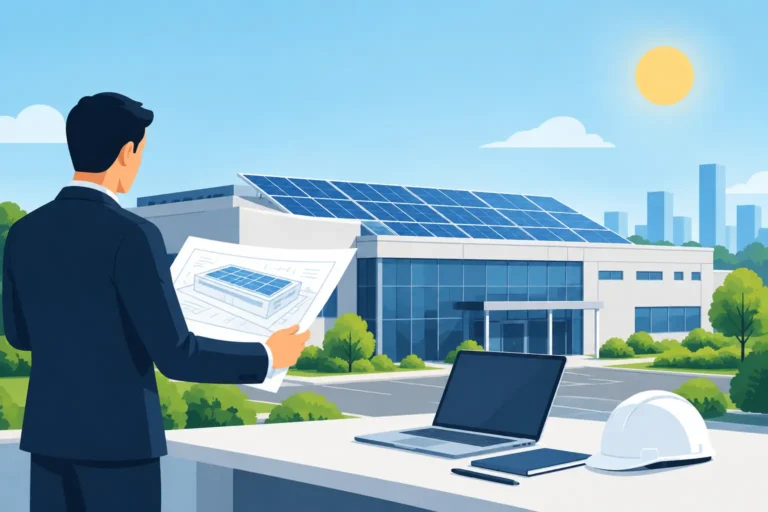
A lot of people start with the same question once power bills keep creeping up or blackouts become more than a rare annoyance: what is home energy solutions, exactly? The short answer is that it is a tailored way of managing how your home produces, stores and uses electricity so you can lower costs, reduce waste and rely less on the grid.
That sounds simple enough, but in practice it is not just about putting solar panels on the roof and hoping for the best. A proper home energy solution looks at the whole picture – your household habits, your property, your daytime and night-time usage, your budget, and what level of energy independence you actually want.
What is home energy solutions in practical terms?
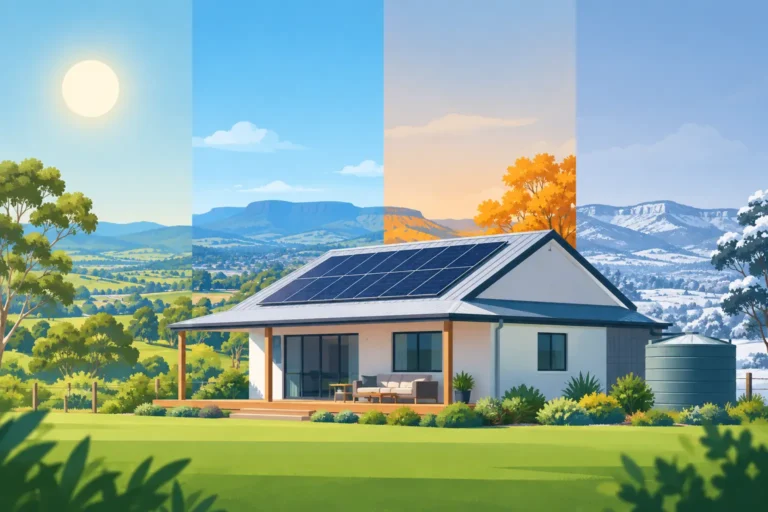
Home energy solutions is an umbrella term for the systems and upgrades that help a household use energy more efficiently and more strategically. In Australia, that often starts with rooftop solar because we have strong sun exposure and high electricity prices. But solar is only one part of the equation.
A complete setup can include solar panels, battery storage, smart monitoring, energy-efficient appliances, better insulation, and in some cases backup power or off-grid capability. The goal is not to load your house with technology for the sake of it. The goal is to match the right equipment and design to the way you live.
For one family, that might mean a premium solar system sized to cover daytime use and reduce quarterly bills. For another, it might mean solar plus battery storage to keep essential circuits running during outages. For a regional property, it could mean a more specialised solution that supports unreliable grid supply or full off-grid living.
Why more Australians are looking at home energy solutions
Energy has become a much more active decision for homeowners and business owners. It used to be something you paid for after the fact. Now, many people want more control over where their power comes from, how much they use, and what they spend.
Rising electricity costs are a major reason. When tariffs increase, every kilowatt-hour you buy from the grid costs more. Generating your own power through solar can reduce that reliance, and battery storage can help you keep more of the energy you produce rather than exporting it at a lower feed-in rate.
There is also the resilience factor. In parts of regional New South Wales and around Canberra, energy reliability can be a real concern depending on local infrastructure and weather events. A well-designed system can improve your ability to ride through interruptions, especially when paired with battery storage or backup planning.
Then there is the long-term value. A home energy solution is not just about this month’s bill. It can support future needs too, such as an electric vehicle, pool heating, a home office, air conditioning upgrades or a growing family with higher power demand.
The main parts of a home energy solution
Solar power
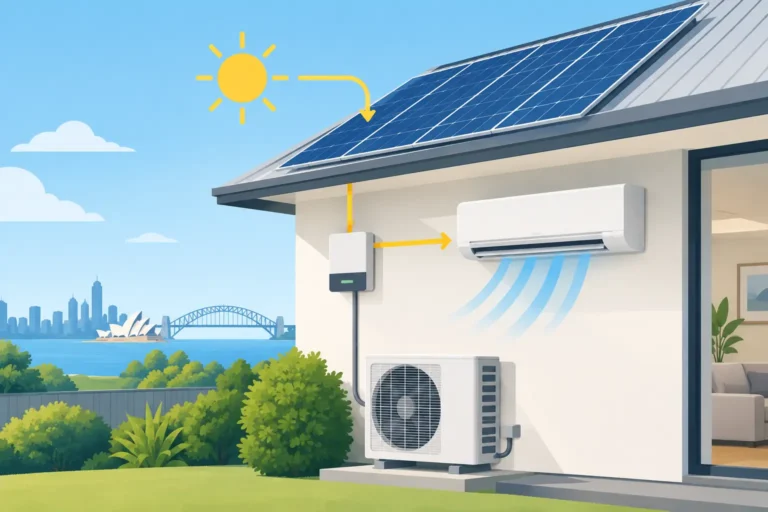
Solar is usually the foundation. Panels convert sunlight into electricity that your home can use during the day. If your system is producing more than you are using at that moment, the excess may be exported to the grid unless you have a battery to store it.
The right solar system size matters. Too small, and you leave savings on the table. Too large, and the return may not stack up in the way you expect, particularly if most of the excess is exported for a modest feed-in tariff. This is why system design should be based on actual usage patterns, not rough guesswork.
Battery storage
A battery stores unused solar energy so you can use it later, often in the evening when grid electricity is more expensive and solar generation has dropped off. For some households, a battery adds convenience and backup capability. For others, it can make a real difference to energy independence.
That said, batteries are not automatically the right fit for everyone. They involve a higher upfront investment, and the financial return depends on your tariff structure, usage profile and outage concerns. If your main priority is the fastest payback, solar alone may be the better first step. If your priority is control, backup or using more of your own energy, battery storage may be worth serious consideration.
Smart monitoring and energy management
One of the most useful parts of modern home energy systems is visibility. Monitoring platforms show when your system is generating power, when your home is using it, and how much is coming from or going to the grid.
This matters because behaviour plays a role in savings. If you know your solar output peaks in the middle of the day, you can shift some appliance use to those hours. Running the dishwasher, pool pump or hot water system at the right time can improve the value you get from your system.
Efficiency upgrades
The cheapest energy is often the energy you do not need to use. That is why home energy solutions also include efficiency measures such as LED lighting, efficient air conditioning, improved insulation, draught sealing and better appliance choices.
These upgrades may not sound as exciting as solar panels or a battery, but they can materially improve comfort and lower consumption. In some homes, reducing waste first leads to a better-sized and more cost-effective solar system later.
What a tailored solution looks like
No two properties use energy the same way. A retired couple who are home during the day will have a different usage profile from a family that leaves the house empty until late afternoon. A business operating standard office hours will need a different design again.
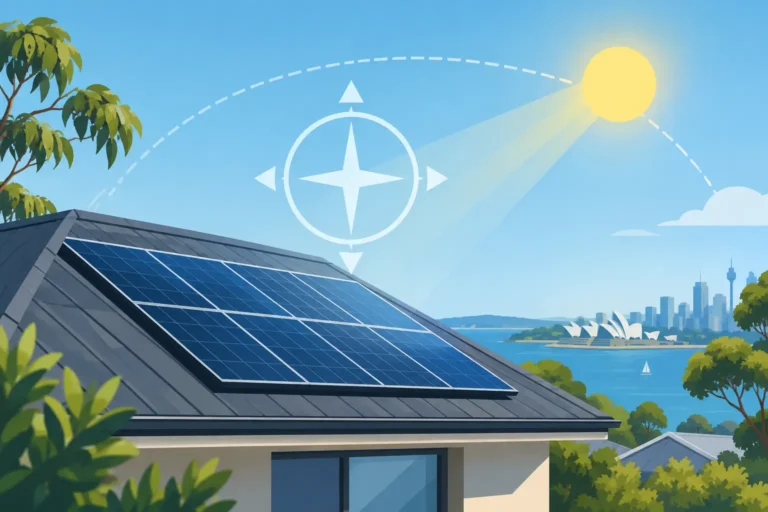
That is why a proper home energy solution should be tailored around several factors. Roof space and orientation matter. So does shading from trees or neighbouring buildings. Your quarterly bill tells part of the story, but interval usage data often gives a clearer picture of when power is being used.
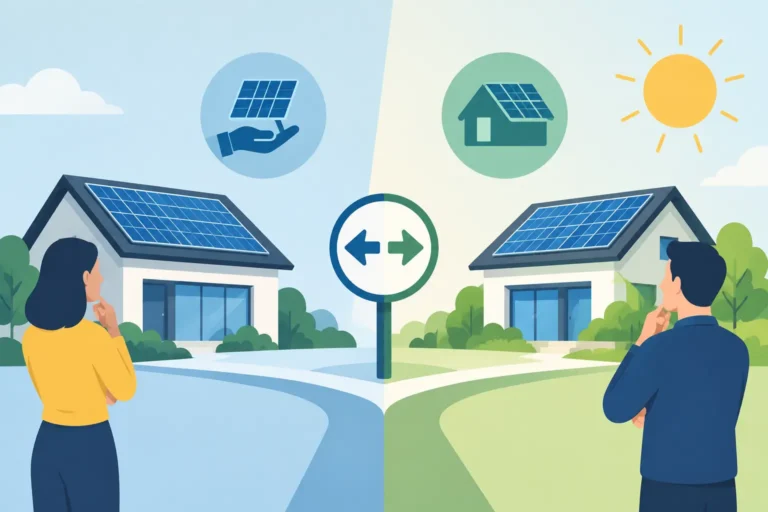
Budget is part of the conversation too. Some customers want the strongest possible return on investment. Others are willing to spend more upfront for battery backup, premium components or future-ready capacity. Neither approach is wrong. The right answer depends on your goals.
A trustworthy provider will be honest about those trade-offs. Sometimes a simpler system is the smarter investment. Sometimes spending more now avoids frustration and extra upgrade costs later.
Common misconceptions about home energy solutions
One common misunderstanding is that solar alone will eliminate your electricity bill. It can reduce bills significantly, but complete elimination depends on your usage, tariff, export rates and whether you have battery storage.
Another is that bigger is always better. It is not. An oversized system can still be useful, but only if it aligns with your consumption now or in the near future. Otherwise, you may be paying for capacity you are not using effectively.
There is also a belief that all systems are basically the same. They are not. Equipment quality, installation standards, inverter performance, battery capability and system design all affect outcomes. A cheap system can look attractive at quote stage and become expensive later if it underperforms or needs early replacement.
Is a home energy solution worth it?
For many Australian households, yes – but the reason it is worth it varies.
If your priority is lowering ongoing power bills, solar can provide immediate and measurable value. If your concern is outages or unreliable supply, a battery or backup-ready design may be more important. If you are building, renovating or planning for an electric vehicle, thinking about home energy as a long-term system rather than a one-off purchase usually leads to a better result.
The key is to look beyond the sticker price. Consider installation quality, equipment reliability, support after the job is finished, and whether the system has been designed for your property rather than copied from a standard package.
For homeowners across NSW and Canberra, that local understanding can make a difference. Climate conditions, roof styles and grid reliability vary, and a solution that works brilliantly in one setting may need adjustment in another.
How to approach home energy solutions with confidence
Start with your energy goals, not the product list. Do you want lower bills, more backup, less grid reliance, or a system that can grow with your needs? Once that is clear, it becomes easier to assess what combination of solar, battery storage and efficiency upgrades makes sense.
Good advice should feel straightforward. You should understand why a system is being recommended, what savings are realistic, what trade-offs exist, and what support you can expect after installation. That kind of honest guidance is where real value sits.
At its best, home energy solutions is not about buying hardware. It is about giving your household more certainty, better control and a cleaner way to power everyday life. If you start with a clear plan and the right advice, the result is usually more than lower bills – it is a home that works better for the way you live.