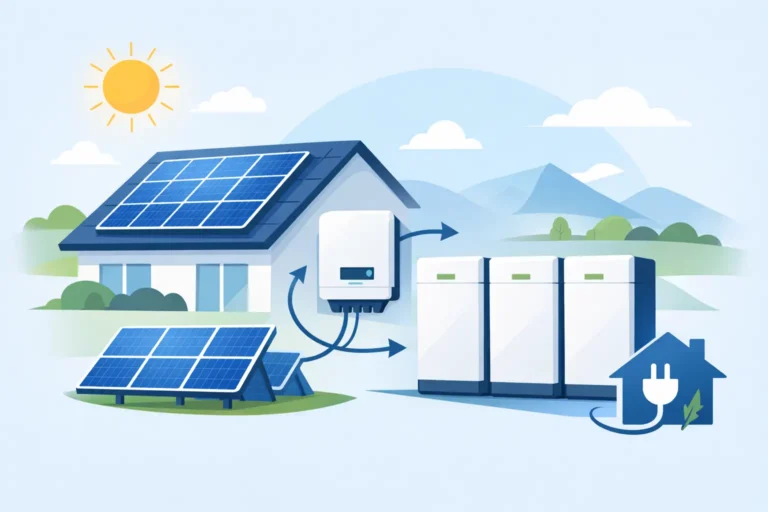
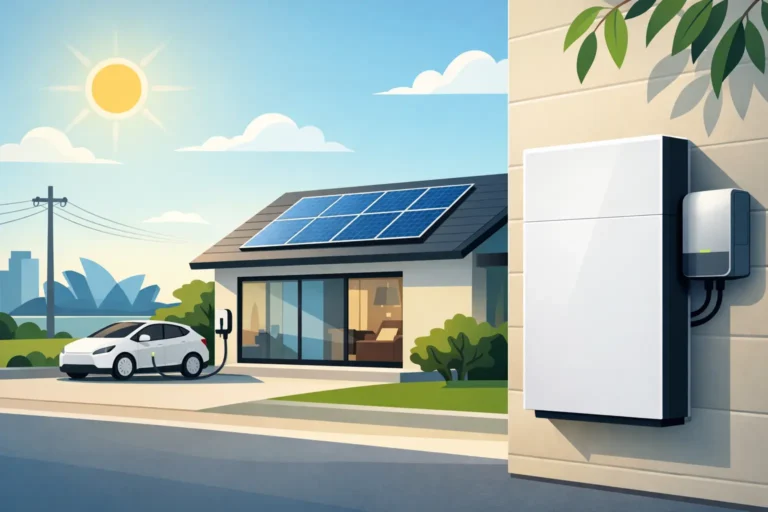
A good solar system should feel like a smart long-term upgrade, not a gamble. That is why a clear residential solar installation guide matters. For Australian homeowners, the real question is not simply whether solar is worth it, but what size system, what equipment, and what installation approach will actually suit the way your home uses power.
Solar can cut electricity bills, improve energy independence, and add value to your property, but only when the system is designed properly. A cheap quote built around generic assumptions can leave you with poor output, awkward panel placement, or a battery that never really earns its keep. A better result starts with understanding how residential solar installation works from the first site assessment through to switch-on.
What a residential solar installation guide should help you decide
The best solar decisions are based on your household, not a sales script. A family running air conditioning through summer, working from home, charging an EV, or planning to add a battery will need a very different setup from a smaller household that is rarely home during the day.
That is why system design should begin with your energy habits. Looking at past electricity bills helps identify how much power you use across the year, but usage timing matters just as much. If most of your consumption happens in daylight hours, solar often delivers stronger bill savings sooner. If your biggest demand lands at night, the conversation may shift towards battery storage, load shifting, or a staged approach where the solar system is installed first and the battery comes later.
Roof shape and orientation also matter. North-facing panels usually perform best in Australia, but east and west roof faces can still be very effective, especially when the goal is to spread generation across more of the day. A home with partial shade from trees or neighbouring buildings may need panel placement adjusted carefully, or in some cases, optimisers or microinverters may be worth discussing. There is no single perfect layout for every roof.
Start with the roof, switchboard and site conditions
Before panel brands or savings estimates come into the picture, the property itself needs a proper assessment. A residential solar installation guide is only useful if it deals with real installation conditions, because practical details can change both cost and performance.
Your roof needs enough usable space for the target system size, but usable space is not the same as total roof area. Setbacks, vents, skylights, valleys, and shading all affect panel placement. Roof pitch can also influence output and installation complexity. Steeper roofs are not a dealbreaker, but they may require extra labour and safety measures.
The switchboard is another area that should not be overlooked. Older homes sometimes need electrical upgrades before solar can be connected safely. If the switchboard is outdated or has limited capacity, that can add to the installation scope. It is better to identify that upfront than be surprised late in the process.
Homes in regional NSW and around Canberra can also face site-specific conditions such as frost, heat, dust, or longer cable runs between the roof and inverter location. These are not reasons to avoid solar. They are simply reasons to work with an installer who designs around the site rather than forcing a standard package to fit.
Choosing the right system size for your household
Bigger is not always better, but undersizing a system can be a missed opportunity. The right capacity depends on your current usage, likely future needs, and local export conditions.
Many households now install systems larger than they would have considered a few years ago. That is partly because daytime appliance use is rising, and partly because future-proofing has become more important. If you are likely to add an EV, electric hot water, induction cooking, or battery storage, a larger solar array may make sense now even if your current bills look moderate.
At the same time, there is no benefit in overspending on capacity your home cannot use or export effectively. Feed-in tariffs are generally lower than the cost of buying electricity from the grid, so the strongest value often comes from using more of your own solar power on site. Good system sizing balances generation potential with realistic self-consumption.
This is where tailored advice makes a difference. A quality installer should talk you through expected production, likely household usage patterns, and whether a staged approach would serve you better than trying to do everything at once.
Panels, inverters and batteries – where quality counts
Not all solar equipment performs the same over time. Panels may look similar on a quote, but efficiency, degradation rates, warranty support, and manufacturer reputation can vary significantly. The same goes for inverters, which play a critical role in how your system performs day to day.
Premium equipment tends to cost more upfront, but it can deliver better reliability, monitoring, and long-term value. That does not mean every household needs the top-tier option in every category. It does mean you should be wary of quotes that focus only on the lowest headline price.
Batteries deserve especially careful consideration. For some homes, battery storage is a strong fit because evening usage is high, blackout protection matters, or the household wants greater control over grid reliance. For others, the payback period may still be longer than expected. It depends on your tariff, usage profile, backup goals, and budget.
A practical approach is to ask whether the battery is solving a real problem for your household. If the answer is yes, it may be worthwhile. If the answer is vague, solar alone may be the better first step.
Approvals, rebates and installation timing
A lot of homeowners worry that installing solar will be buried in paperwork. In reality, the process is manageable when it is handled properly. Grid connection approvals, rebate eligibility, system compliance, and installation scheduling all need attention, but these should not fall entirely on the customer.
In Australia, the Small-scale Renewable Energy Scheme can reduce upfront costs through STCs, which are usually applied as a point-of-sale discount. The exact value can vary, and your installer should explain this clearly rather than using vague rebate language.
There may also be local network requirements around export limits or meter changes. These can affect system configuration and how much excess solar can be sent back to the grid. In some areas, export restrictions make battery-readiness or smart energy management more attractive.
Timing depends on approvals, equipment availability, weather and installation complexity. A straightforward residential system may move relatively quickly from acceptance to install, but homes needing switchboard upgrades or more complex designs can take longer. Clear communication matters here. A good installer sets realistic expectations and keeps you informed.
What installation day should look like
A professional installation should be orderly, safe and well coordinated. Most residential jobs are completed within a day, although more complex systems may take longer. The team should install the mounting system, panels, inverter and associated electrical components, then test the setup and prepare it for grid connection and commissioning.
You should not be left guessing about what has been installed or how to use it. Once the system is operating, you should be shown the monitoring platform, basic shutdown procedure, and what kind of generation to expect across seasons. This is where honest service stands out. Good after-sales support is just as valuable as the installation itself.
The appearance of the system also matters to many homeowners. Neat cable runs, thoughtful panel layout, and well-placed equipment can make a big difference to how the final result feels on your home. Solar is a technical investment, but it is still part of your property.
Common mistakes to avoid in any residential solar installation guide
The most common mistake is treating solar as a commodity. When homeowners compare quotes only on price or panel count, they can miss important differences in design quality, warranties, workmanship and expected performance.
Another mistake is assuming your neighbour’s system will suit your house. Even homes on the same street can have different roof orientation, shading, occupancy patterns and electricity needs. What works brilliantly for one household may be average for another.
It is also worth being careful with savings claims. Solar can deliver excellent value, but exact savings depend on your consumption habits, tariff structure and system performance over time. Honest projections are far more useful than inflated promises.
If you are weighing up options now, look for a provider who asks detailed questions, explains trade-offs clearly, and tailors the design to your goals. That is the difference between buying panels and investing in a system that genuinely works for your home.
A well-planned solar installation should leave you feeling more in control of your energy, not more confused by it. When the design is tailored, the equipment is proven, and the advice is honest, solar becomes a practical upgrade that keeps paying you back long after installation day.