Australia’s rising electricity prices and strong solar incentives have made solar and battery package solutions a practical choice for households and businesses alike. IMS Energy’s website speaks to informed Australian property owners who want clear facts, reliable system options and long-term savings, not sales hype. This blog describes the operation of solar and battery package, their price in Australia and the type of systems available to various energy requirements. It emphasizes practical implementation, conditions on the ground and making practical decisions to assist you in making correct decisions on the right setup.
Understanding Solar and Battery Packages
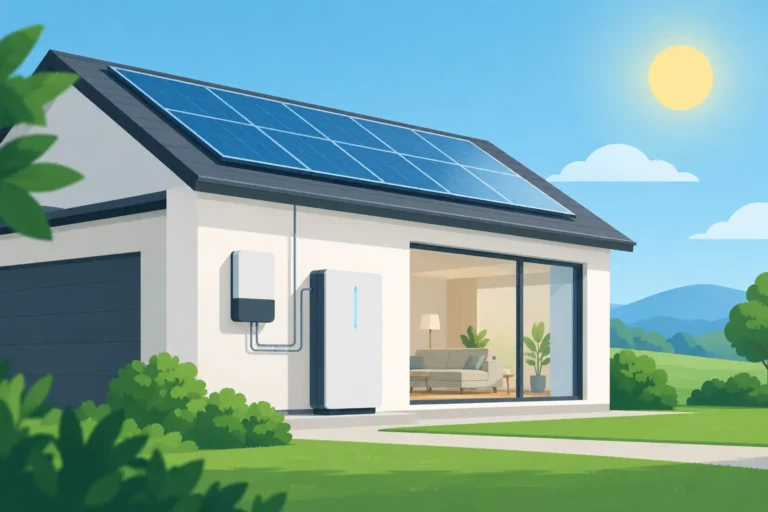
A solar and battery package combines rooftop solar panels with a battery storage unit. The goal is simple: generate power during the day and store unused energy for later use. This reduces grid reliance and improves energy security.
Key components usually include:
- Solar panels sized to your roof and usage
- An inverter to convert DC power to usable AC electricity
- A battery system for storing excess energy
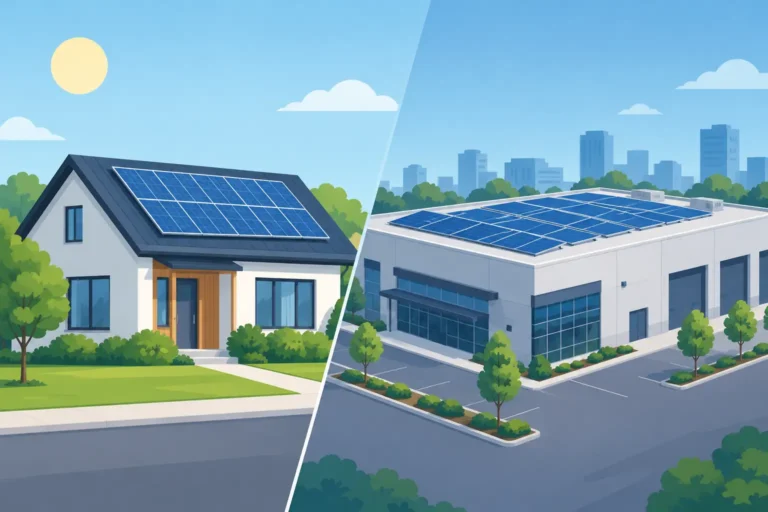
The size of the system relies on the daily consumption, the size of the roof, and whether the property is residential or commercial. Homes in Australia normally come with a system of between 6.6kW and 10kW, whereas business systems tend to need larger systems.
Costs of Solar and Battery Systems in Australia
Pricing varies based on system size, battery brand and installation complexity. In most Australian states, a full package costs more upfront than solar-only systems but offers stronger long-term value.
Typical cost factors include:
- Battery capacity (measured in kWh)
- Quality and efficiency of panels
- Site access and electrical upgrades
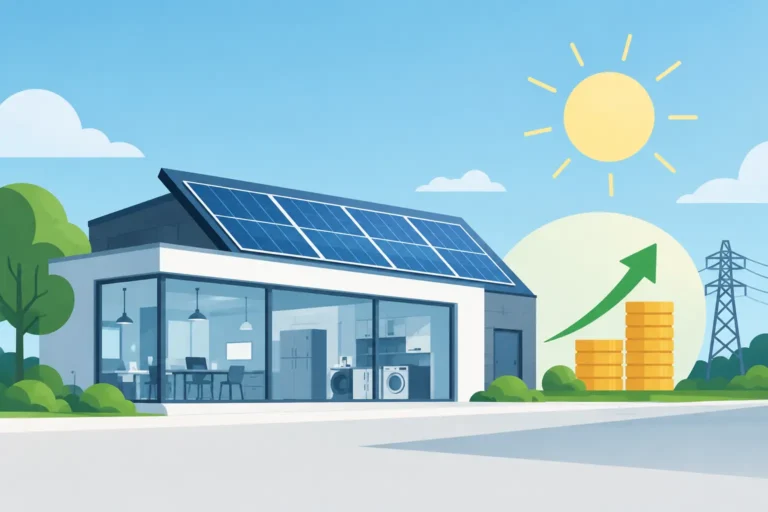
Rebates by the government and incentives by the states can be of great help in minimizing upfront expenses. Return on investment is also enhanced by feed-in tariffs and energy savings, particularly in the high-usage homes.
Installation and System Options
Professional solar battery installation ensures the system meets Australian standards and performs efficiently over time. Installation usually involves system design, council approvals if required and on-site electrical work.
Common system options include:
- Grid-connected solar with battery backup
- Battery-ready solar systems
- Fully integrated storage solutions
Each option serves a different use case. Grid-connected systems suit urban homes, while battery-focused setups benefit areas with frequent outages or high evening energy use.
Hybrid and Advanced Energy Solutions
A hybrid solar battery system allows energy to flow between solar panels, batteries and the grid. These systems provide flexibility, allowing users to store power, export excess energy, or draw from the grid when needed.
Benefits include:
- Improved energy independence
- Better control over peak-time usage
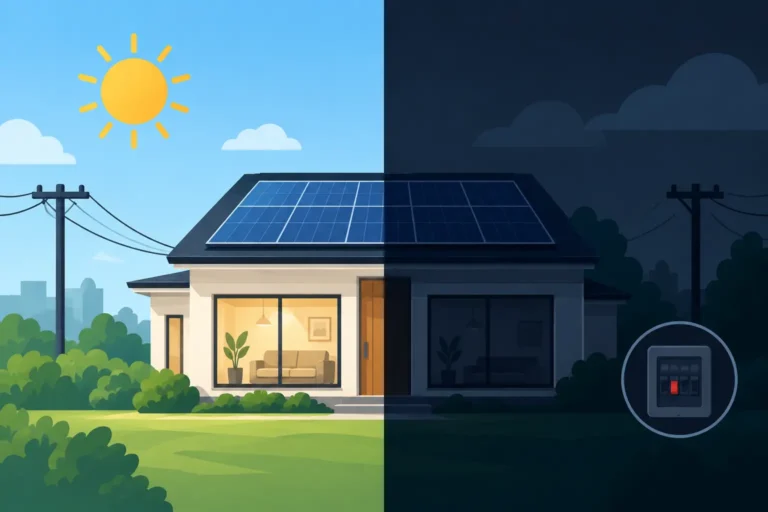
- Seamless backup during outages
Hybrid systems are popular with Australian businesses and larger households that want scalable, future-ready energy infrastructure.
Choosing the Right Package
The best system depends on how and when energy is used. High evening consumption, EV charging, or business operations often justify larger batteries. Homes with daytime usage may benefit from smaller storage paired with efficient panels.
A tailored assessment ensures:
- Correct system sizing
- Maximum rebate eligibility
- Long-term reliability
Conclusion
Australian property owners have a viable avenue for reducing their bills and energy security through solar and battery packages. Knowing costs, installation needs and the type of systems, you will be able to select a solution that would not only meet your needs now but also future expansion. IMS ENERGY can assist in providing customized guidance and system development.
FAQs
1. How much does a solar and battery package cost in Australia?
Costs vary by size and location, but most residential systems range from mid to high four figures after rebates.
2. Is battery storage worth it without blackouts?
Yes. Batteries help reduce evening grid usage and protect against rising electricity prices.
3. How long does installation take?
Most installations are completed within one to two days once approvals are in place.
4. Can systems be expanded later?
Many modern systems allow battery or panel upgrades as energy needs change.