A lot of homeowners first look into solar after opening a power bill that feels harder to justify than the one before it. If you have ever wondered how does residential solar work, the short answer is this: your roof captures sunlight, your system turns it into usable electricity, and your home uses that power before drawing from the grid.
That sounds simple enough, but the real value is in understanding what happens at each step. Once you know how the system works, it becomes much easier to choose the right setup, set realistic expectations, and make a confident decision about whether solar is worth it for your home.
How does residential solar work on a house?
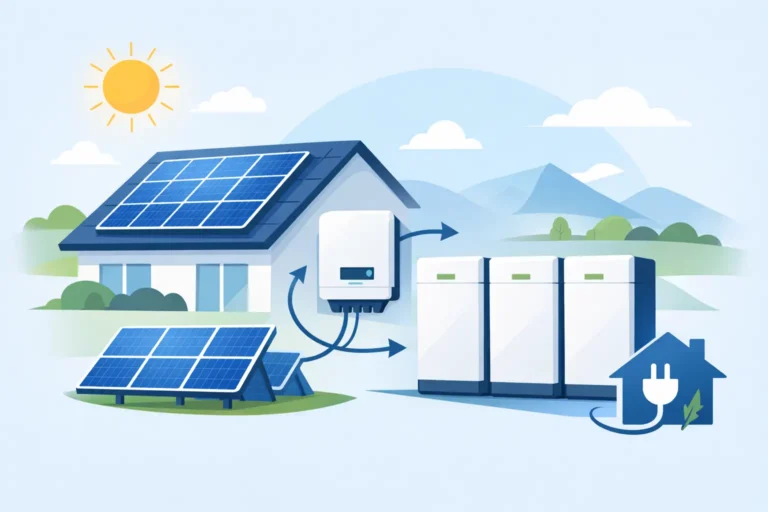
A residential solar system is made up of a few key parts that work together during the day. Solar panels on your roof generate direct current electricity when sunlight hits the cells. Because homes use alternating current electricity, an inverter converts that power into a form your appliances can actually use.
From there, the electricity flows into your switchboard and powers whatever is running in the home at the time – your fridge, lights, air conditioner, washing machine, pool pump and more. If your solar system is producing more than your home needs, the extra electricity can either be exported to the grid or stored in a battery if you have one installed.
At night, or during low solar production, your home draws electricity from the grid as usual. That means solar does not replace the grid in a standard setup. It simply reduces how much electricity you need to buy from it.
The main parts of a residential solar system
While solar is often talked about as if it is just panels on a roof, the full system matters. Each component plays a different role, and the quality of the design is just as important as the hardware itself.
Solar panels
Solar panels are the part you can see. They contain photovoltaic cells that absorb sunlight and create electricity. The amount they produce depends on panel efficiency, roof orientation, shading, temperature, and the strength of the sun throughout the day.
In Australia, north-facing panels usually generate the most energy across the day, but east and west-facing roofs can still be very effective. In many homes, a split layout across more than one roof face makes sense because it spreads generation over more of the day, especially if your biggest usage is in the morning or late afternoon.
Inverter
The inverter is often called the brains of the system. It converts the direct current from the panels into alternating current for household use. It also helps monitor performance and ensures the system operates safely.
There are a few inverter options, including string inverters and microinverters. The best fit depends on the roof design, panel layout and whether shading is an issue. A straightforward roof with minimal shade may suit a string inverter well. A more complex roof may benefit from a different approach.
Meter and grid connection
Your electricity meter records how much power your home imports from the grid and, in many cases, how much excess solar is exported back. Once your system is connected properly, this allows your retailer to account for both usage and feed-in arrangements.
This is one area where expectations matter. Exported electricity can earn a feed-in tariff, but the value is usually lower than the cost of buying electricity from the grid. That is why using your solar power directly in the home is often where the strongest savings come from.
Battery, if included
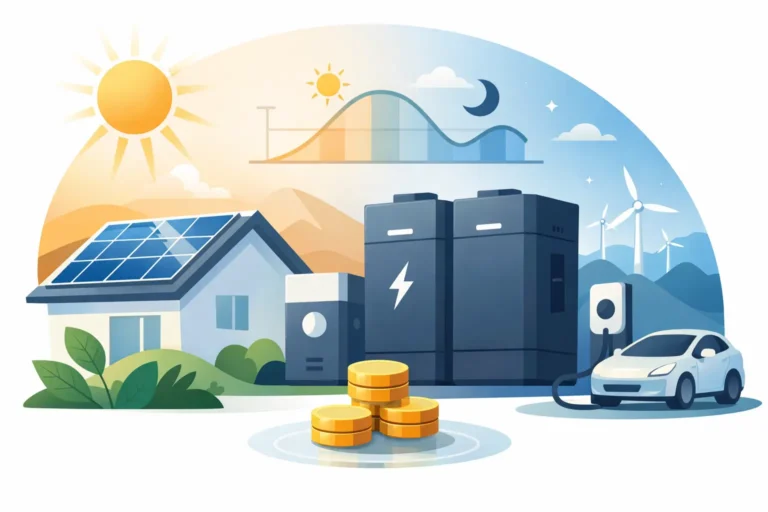
A battery stores excess solar generation for later use, usually in the evening when the sun is down but household demand is still high. It can improve energy independence and help reduce reliance on the grid, but it also adds to the upfront cost.
For some households, a battery makes excellent sense. For others, it is smarter to install a quality solar system first and add battery storage later. The right answer depends on your usage patterns, budget, tariff structure and whether backup power is a priority.
What happens during a normal day?
The easiest way to understand residential solar is to look at how it behaves across a typical day.
In the morning, as sunlight increases, your panels begin producing electricity. At first, generation may be modest, but it gradually ramps up. If someone is home making breakfast, running the dishwasher or switching on the air conditioner, that solar energy can go straight into those loads.
Around the middle of the day, production is usually strongest. If the home is quiet during those hours, the system may produce more power than the house needs. That excess can be exported to the grid or stored in a battery.
In the late afternoon and evening, solar production drops away. The home then starts drawing more heavily on stored battery energy, if available, or on grid electricity. Overnight, unless you have a battery with charge remaining or a more specialised off-grid setup, the grid supplies your power.
This is why daytime habits can make a real difference. Running energy-hungry appliances while your system is generating often improves the return on your solar investment.
Why system design matters more than many people realise
Two homes can have the same number of panels and get very different results. That usually comes down to design.
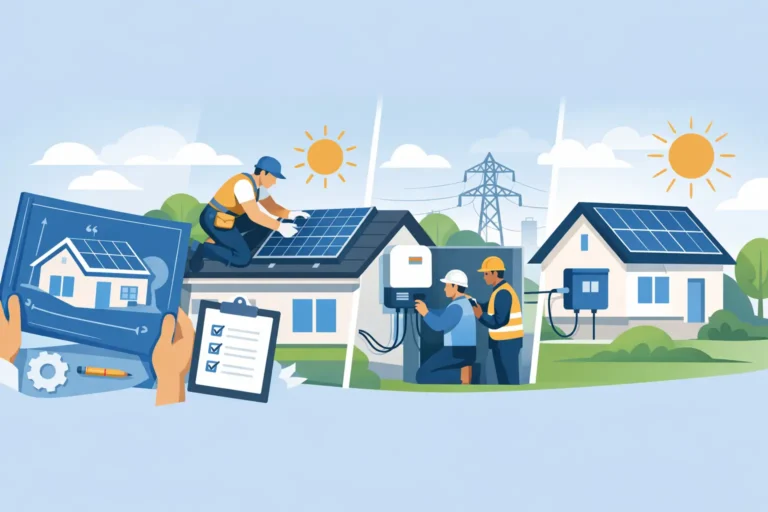
A good residential solar system is not just about fitting as many panels as possible onto the roof. It should be tailored to how much electricity the household uses, when that electricity is used, how the roof is positioned, whether there is shading from trees or nearby buildings, and what the homeowner wants from the system in five or ten years.
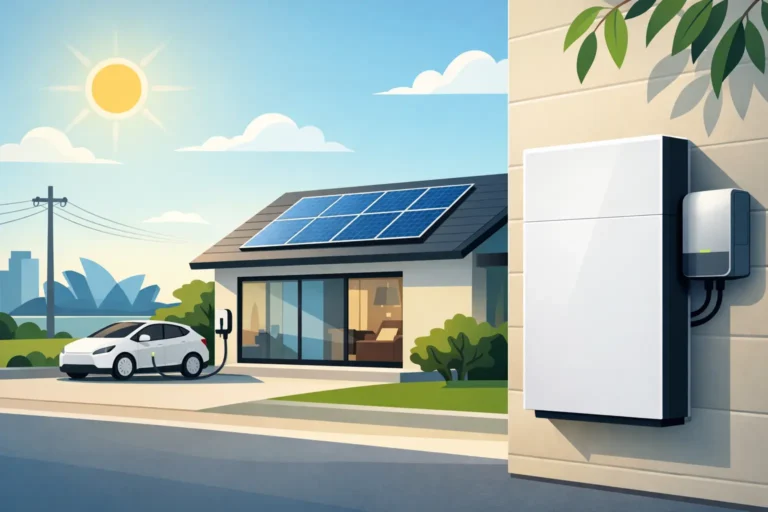
For example, a family with high daytime usage may benefit from one design approach, while a couple who are away during the day may need a different setup. If you are planning to buy an electric vehicle, install ducted air conditioning or add a battery later, that should be considered from the start.
This is where honest advice matters. A system that looks cheaper upfront is not always the one that delivers the best long-term value.
How much power can solar actually save?
Solar can significantly reduce electricity bills, but the savings are never identical from one home to the next. They depend on system size, power consumption, the timing of that consumption, local weather, electricity rates and export arrangements.
Homes that use a fair amount of electricity during the day often see the most immediate benefit because they are consuming their solar generation directly. Homes with very low daytime usage can still save, but they may rely more on export credits, which are generally less valuable.
There is also a difference between reducing bills and removing them altogether. Some homeowners expect solar to wipe out power costs completely. That can happen in certain circumstances, but for most grid-connected homes, solar reduces costs rather than eliminates them.
A tailored savings estimate is always more useful than a generic promise. Real numbers should be based on your roof, your usage and your goals.
What about cloudy days and blackouts?
Solar panels still generate electricity on cloudy days, just at a lower level. They do not need bright heat to work – they need daylight. That said, heavy cloud cover will reduce output, and this is one reason system performance varies across seasons and weather conditions.
Blackouts are a separate issue. A standard grid-connected solar system usually switches off during a blackout for safety reasons. This prevents power from being sent back into the grid while crews may be working on lines.
If backup power matters to you, that needs to be built into the system design. In many cases, that means a battery with backup capability and the right electrical configuration. Not every battery setup provides whole-home backup, so it is worth being clear about what you want protected.
Is residential solar worth it in Australia?
For many Australian households, yes. We have strong solar conditions, rising electricity costs and growing interest in energy independence. But the result still depends on getting the basics right – good design, quality products, skilled installation and a system sized to suit the property.
That is why a one-size-fits-all approach rarely delivers the best outcome. A properly planned system should match your roof, budget and energy habits, not just a sales package.
For homeowners who want a clearer path forward, the best starting point is not guessing system size from a neighbour’s roof. It is getting tailored advice from a team that takes the time to understand how your home actually uses power. At IMS Energy, that practical, face-to-face approach is what helps turn solar from a concept into a smart long-term investment.
The more you understand about how residential solar works, the easier it becomes to ask the right questions – and the better your chances of ending up with a system that performs well for years, not just on installation day.