A solar system should not be designed from a satellite image and a power bill alone. The solar installation process works best when it starts with a proper understanding of how your household or business uses electricity, how your property is built and what you want solar to achieve over the years ahead.
For some customers, the priority is reducing daytime power costs. For others, it is battery backup, greater independence from the grid or reliable energy for a regional or off-grid site. A tailored system considers all of it before a panel goes on the roof.
Start with your energy goals
The first conversation should be practical. Your solar provider will look at your recent electricity bills, current consumption and the times of day your energy use is highest. A family working from home may benefit from a different system design than a household that is empty until late afternoon. A business operating through daylight hours may be able to use much more of its solar generation directly.
This is also the right time to discuss future changes. An electric vehicle, pool pump, home extension, induction cooking or growing business operation can materially change your energy needs. Designing only for today can leave a system undersized sooner than expected.
Budget matters too, but the lowest upfront price is not always the lowest-cost outcome over the life of the system. Panel performance, inverter quality, workmanship, warranties and after-sales support all affect the value you receive. A good proposal explains the trade-offs clearly, rather than pushing a one-size-fits-all package.
Site assessment and system design
A site assessment turns your energy goals into a system that suits the property. Your installer will assess roof orientation, pitch, available space, shading from trees or neighbouring buildings, roof condition and switchboard capacity. They will also consider access for the installation team and the route for cabling.
North-facing panels are often productive in Australia, but they are not the only option. East- and west-facing arrays can be a smart choice where energy is used across the morning and afternoon. The best layout depends on your consumption pattern, not simply the direction of the roof.
Shading deserves careful attention. Even partial shade can affect output, particularly when it falls across panels during the most productive parts of the day. Sometimes trimming vegetation, choosing a different roof area or using panel-level optimisation may be worth considering. Each option has a cost, so the decision should be based on expected benefit rather than sales jargon.
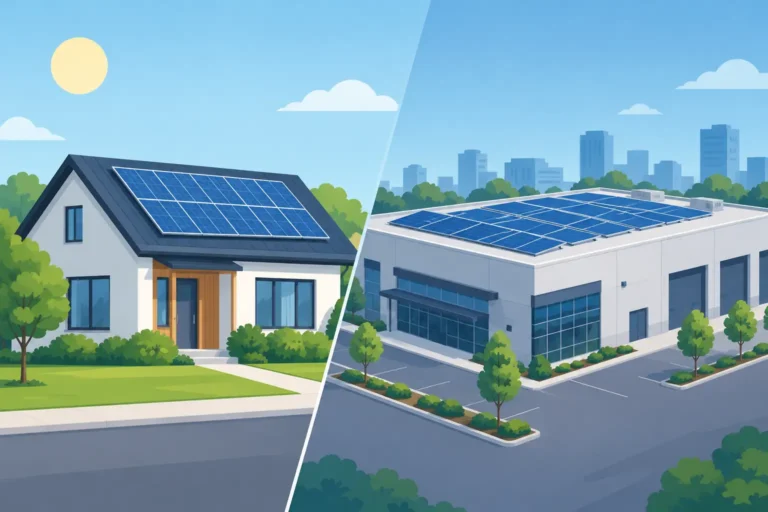
For commercial properties, design may also involve structural considerations, large roof areas, three-phase power, workplace safety requirements and the business’s operating schedule. On rural properties, the distance between buildings, pumps, sheds and the main meter can influence cabling and equipment placement.
Choosing panels, inverter and battery
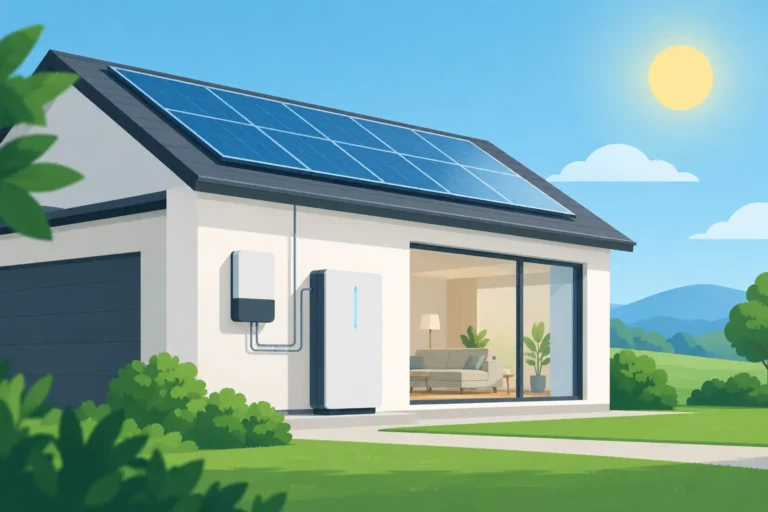
Your proposal should identify the key equipment and explain why it has been selected. Solar panels generate DC electricity, while the inverter converts it into usable AC electricity for your property and the grid. The inverter is central to system performance, so its capacity, warranty and compatibility with future battery storage should be considered carefully.
A battery is not essential for every solar system. If most of your electricity is used during daylight hours, solar panels alone can deliver meaningful savings. A battery may make more sense where evening use is high, export payments are low, backup power is important or you want to store more of the energy you generate.
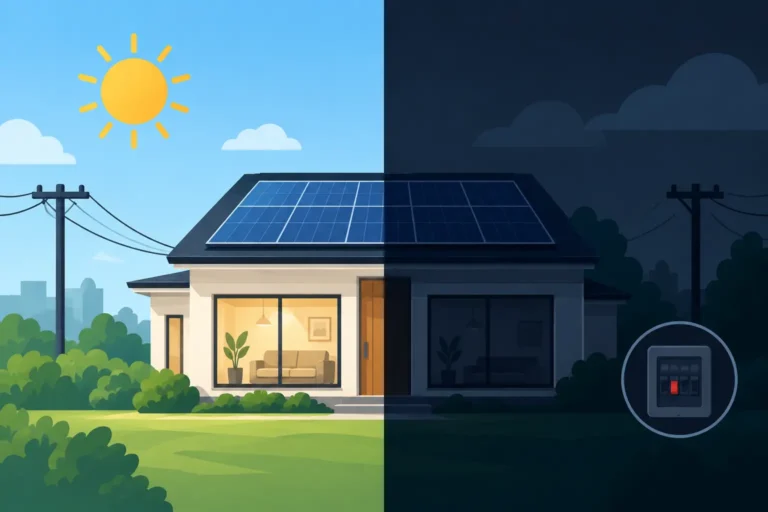
Backup capability also needs specific planning. Not every battery keeps every appliance running during an outage. Your design may provide backup for selected essential circuits, such as refrigeration, lighting, internet and certain power points, or it may be designed for broader whole-home support. The right approach depends on your budget, electrical setup and expectations during a blackout.
Approvals, grid connection and paperwork
Before installation, your provider manages the technical and administrative steps needed to connect a system safely. This commonly includes applying for distributor approval, preparing the required electrical documentation and confirming that the proposed system meets local network requirements.
In Canberra, Sydney, regional NSW and elsewhere, rules can differ between electricity distributors. Export limits, meter requirements and connection timeframes are not always the same. A well-managed solar installation process accounts for these details early, so there are fewer surprises after the system is fitted.
Your quote should also make clear what is included. Ask whether it covers permits where required, grid connection applications, meter coordination, monitoring setup, switchboard upgrades and any work outside the standard scope. For example, an older switchboard may need upgrades before solar can be connected safely. It is better to identify that upfront than discover it on installation day.
Eligible small-scale systems may receive Small-scale Technology Certificates, which generally reduce the upfront purchase cost. The value and eligibility can change over time, so it is sensible to have the applicable incentive explained as part of your written proposal.
Installation day: what happens on site
Most straightforward residential installations are completed in a day, although larger systems, battery installations, complex roofs or switchboard upgrades can take longer. The team will arrive with the panels, mounting equipment, inverter and electrical components, then confirm access and safety arrangements before work begins.
Mounting rails are secured to the roof structure, panels are fitted and cabling is run neatly to the inverter location. The inverter and, if included, battery are installed in an approved, accessible location with suitable clearances. Your installers should protect the work area, keep you informed and leave the property tidy once the job is complete.
Good workmanship is not just about how the finished system looks. Proper roof penetrations, secure mounting, protected cabling, compliant isolators and clear labelling all contribute to safety and long-term reliability. This is why experience and product quality matter long after the installation crew has left.
If poor weather creates a safety risk, roof work may need to be rescheduled. That can be frustrating, but it is the right call. Safe installation conditions protect both your property and the people working on it.
Testing, commissioning and handover
Once the physical work is complete, the system is tested and commissioned. The installer checks electrical connections, inverter operation, safety settings and solar generation. Depending on the connection process, the system may need final meter work or network approval before it can export energy to the grid.
At handover, you should receive clear information about operating the system, product warranties, shutdown procedures and any monitoring app. Monitoring is valuable because it lets you see generation trends and identify unusual performance early. It also helps you shift flexible electricity use into solar hours, such as running appliances, charging an EV or scheduling business equipment when the sun is producing power.
Keep your documentation in a safe place. It should include system specifications, warranties, compliance records and details of who to contact if you need support. Solar is a long-term investment, so responsive after-sales service is part of the purchase, not an optional extra.
Getting more from your solar system
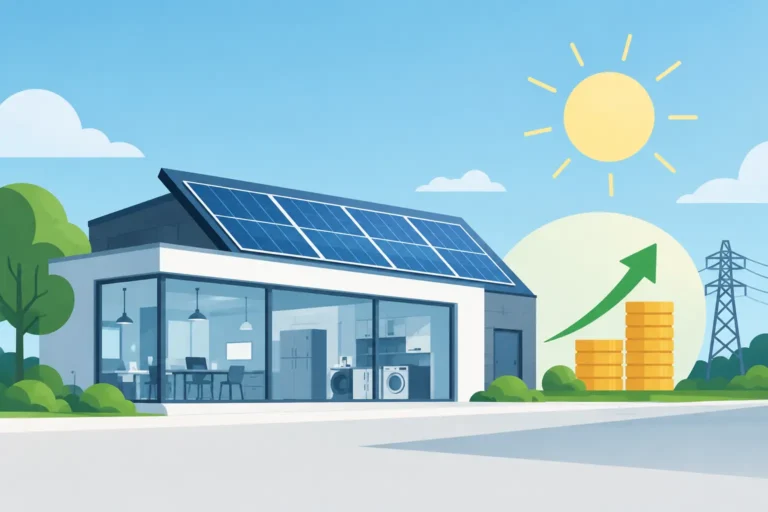
The most effective solar system is one that matches the way you use power. After installation, take a few weeks to observe your generation and consumption. You may find that small changes, such as putting the dishwasher on during the day or adjusting pool pump timers, increase the amount of solar electricity you use yourself.
For businesses, this may mean scheduling energy-intensive processes during daylight hours where practical. For households, it can mean planning battery charging, hot water heating or EV charging around your solar output. These changes do not need to be complicated, but they can improve the return from the system you have paid for.
If your needs change, solar can often be expanded or paired with battery storage later, provided the original design allowed for it. That is one reason honest planning at the beginning pays off.
A trusted installer should leave you feeling informed, not overwhelmed. IMS Energy helps homeowners and businesses across Canberra and NSW make decisions based on their property, energy habits and long-term goals. Start with your real electricity needs, ask clear questions and choose a system designed to keep delivering value well beyond its first sunny day.