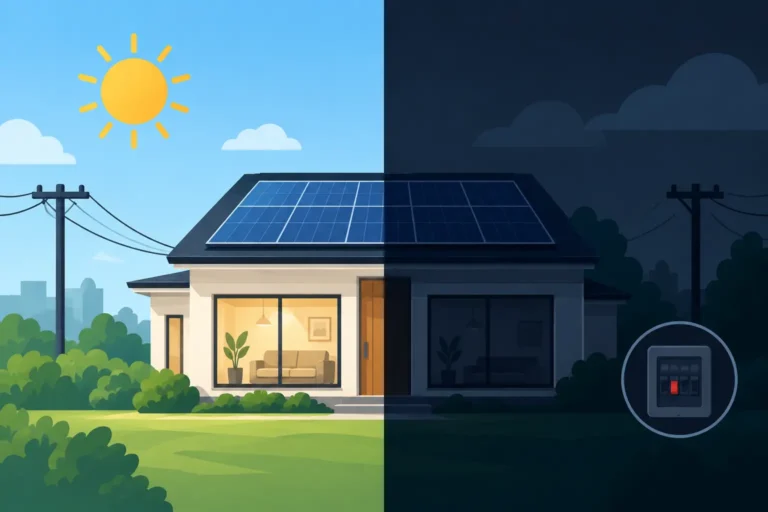
The best time to use solar power is often the middle of the day, when many households are out and demand is low. The question of how to add battery storage is really about shifting that value into the evening, when cooking, heating, cooling and family life can put the most pressure on your electricity bill.
For most Australian homes and businesses, adding a battery is not simply a matter of connecting a unit to existing panels. It involves checking how your current system works, understanding your energy habits and deciding whether backup power is worth including. A well-planned battery can reduce grid purchases and provide greater confidence during outages. The right solution, however, depends on your site.
Start with your energy use, not a battery size
Battery capacity is usually measured in kilowatt-hours (kWh), but the largest battery is not automatically the best investment. The aim is to store enough of your usual daytime solar surplus to cover the part of the evening and overnight demand you want to offset.
Look at electricity bills and, if available, interval data from your retailer or inverter monitoring app. Pay attention to how much electricity you import after sunset, how much solar you export during the day, and whether demand changes across seasons. A household running ducted air conditioning, electric hot water or an EV will have a very different profile from a smaller home with modest evening use.
For a business, the question may be whether the site has enough daytime surplus to charge a battery at all. Businesses with heavy daytime loads can still benefit from solar, but may need a different battery strategy than a household exporting power through the day.
A tailored assessment should also account for future changes. If you expect to buy an electric vehicle, replace gas appliances with electric alternatives or add a pool, your electricity use may rise. Allowing for sensible future growth can be more valuable than installing capacity that only suits this year’s usage.
Check whether your existing solar system is battery-ready
The key technical question is the type and condition of your solar inverter. Most existing systems can have storage added, but the method varies.
AC-coupled batteries
An AC-coupled battery has its own battery inverter and connects alongside your existing solar inverter. This is often the practical option for retrofitting battery storage to a functioning solar system, particularly where the current inverter is relatively new and performing well.
Because the battery operates through a separate inverter, installation can be less disruptive than replacing the solar inverter. It also gives homeowners flexibility when choosing compatible equipment. The trade-off is that energy may be converted more than once as it moves between solar panels, battery and household appliances, which can create small efficiency losses.
DC-coupled batteries and hybrid inverters
A DC-coupled system stores solar energy before it is converted to AC power for use in the property. This approach commonly uses a hybrid inverter that manages both solar panels and the battery.
It can be efficient and tidy, especially when a solar system is being installed at the same time as the battery. For an older system, though, it may mean replacing the existing inverter. That can make good sense if the inverter is near the end of its warranty period or if you are planning a larger solar upgrade, but it should be assessed as a whole project rather than treated as a standard add-on.
Your installer should confirm the inverter model, solar array size, switchboard capacity, wiring layout and available space before recommending either approach. Compatibility is not something to guess from a brochure.
Decide what backup power should do
Many people assume a battery will run the entire home whenever the grid goes down. Some systems can support substantial loads, but backup capability depends on the battery, inverter, backup hardware and the circuits selected.
A basic backup arrangement may keep essential circuits running, such as lights, refrigeration, internet, selected power points and a garage door. A more comprehensive system can support additional appliances, but high-demand equipment such as ducted air conditioning, electric ovens, pool pumps and EV chargers can quickly drain storage or exceed the battery’s power output.
Capacity and power are different measurements. Capacity tells you how much energy the battery holds. Power, measured in kilowatts (kW), tells you how much it can deliver at one time. A battery may have enough stored energy for a long outage but still be unable to start or run several large appliances together.
If blackout protection matters, be clear about the outcome you want. Is it enough to keep food cold and communications operating for a few hours? Do you need an office, medical equipment or a regional property to remain functional? A backup plan should be designed around those real priorities, including how the battery will recharge from solar during a daytime outage.
Choose the right place for the battery
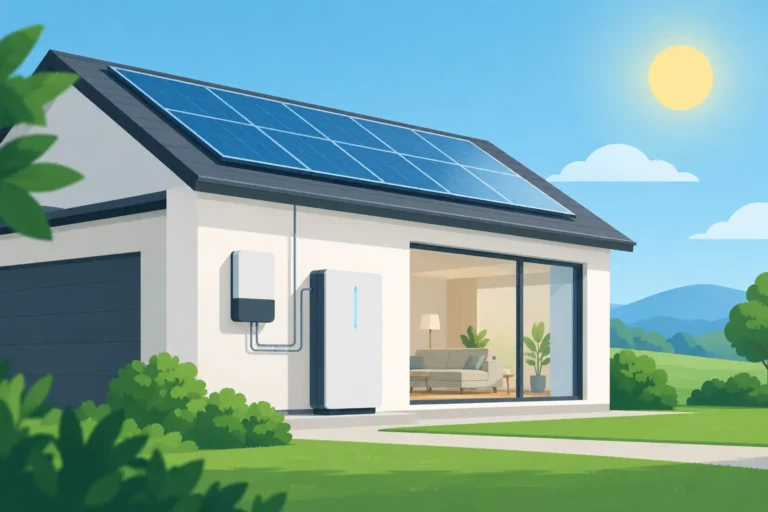
Battery location affects safety, performance and appearance. The unit needs a suitable wall or mounting area, clearances around it, protection from excessive heat and weather where required, and practical access for installation and service.
Garages are common locations, but they are not the only option. An external wall or dedicated equipment area can work well when designed properly. The chosen position also needs to suit cable runs to the inverter and switchboard, while meeting applicable Australian installation requirements and manufacturer specifications.
In Canberra, across NSW metro areas and in regional locations, site conditions can vary considerably. Summer heat, frost, dust, coastal exposure and limited wall space may all influence product selection and placement. A site inspection is the right time to solve these details, rather than discovering limitations on installation day.
Understand tariffs, exports and savings
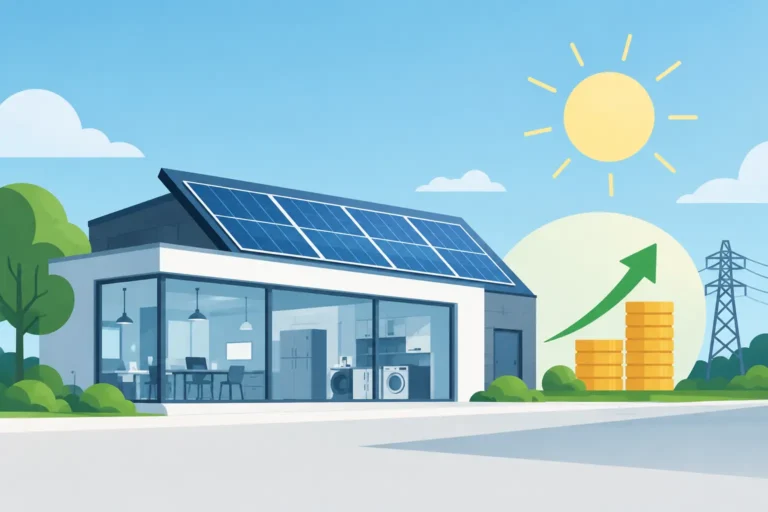
A battery is most valuable when it charges from excess solar and discharges when grid electricity is expensive or less desirable. Your feed-in tariff, electricity plan and household consumption pattern all shape the financial result.
Where solar exports receive a relatively low credit compared with the cost of buying electricity in the evening, storing some of that solar energy can be attractive. Time-of-use tariffs may create further opportunities, particularly if the battery can avoid higher-priced evening periods. In some cases, charging from the grid during a lower-priced period may also be part of the system’s programmed strategy, depending on the customer’s goals and retailer arrangements.
Savings estimates should be realistic. Battery performance changes with seasons, weather, household behaviour and future tariff changes. It is also worth considering usable capacity, round-trip efficiency, warranty terms and expected degradation over time. A quality battery is a long-term energy asset, not a quick fix for every electricity bill.
What happens during installation?
Once the system design is confirmed, the installation generally involves mounting the battery, connecting it to the inverter and switchboard, installing any required backup components, configuring monitoring and completing testing. The installer will also arrange the relevant network approvals and paperwork needed for the connection.
Before work begins, make sure the installer understands any access constraints, preferred battery location and appliances that matter during an outage. Ask how the system will behave when the grid fails, whether all or only selected circuits are backed up, and how you will monitor battery charge and solar production from your mobile.
Quality equipment matters, but so does the design behind it. The right battery must work properly with the rest of the system, be installed safely and be supported after commissioning. This is where an experienced solar partner can make the process clearer, from site assessment through to showing you how your new energy system operates.
A battery should fit the way you actually live or run your business. Start with your power use, plan for the changes ahead and choose a solution that gives you useful savings and backup without paying for capacity you are unlikely to use.