A commercial solar system can reduce a major operating cost for years, but only when it is designed around the way your business actually uses power. The right commercial solar installers NSW businesses choose will look beyond roof size and panel numbers to understand your site, electricity profile, future plans and budget.
For a warehouse, office, farm, retail site or manufacturing facility, solar is not a one-size-fits-all purchase. A system that looks inexpensive on day one can be poor value if it produces energy at the wrong times, uses unsuitable equipment or leaves no room for future expansion. Good advice at the start protects the value of the investment over its working life.
What commercial solar installers in NSW should assess first
The first conversation should focus on your business rather than a standard package. Your recent electricity bills reveal more than your annual spend. They help identify when you consume energy, how much demand occurs during daylight hours and whether demand charges are affecting your costs.
A quality site assessment also considers roof orientation, shading from nearby buildings or trees, usable roof area, structural condition, access requirements and switchboard capacity. For ground-mounted systems, the conversation extends to available land, drainage, security, cable runs and future site use.
This detail matters because a system designed to offset daytime consumption often delivers better value than one sized simply to fill every available square metre. If your highest use occurs after sunset, a battery, load shifting or a staged solar plan may be worth considering. If your business operates mainly from 9am to 5pm, solar generation may closely match consumption without battery storage.
An experienced installer should also ask about your plans for the next five to 10 years. Additional machinery, electric vehicle charging, refrigeration, new tenancies or longer operating hours can materially change the right system size. Designing with growth in mind may prevent costly alterations later.
Comparing commercial solar installers NSW businesses can trust
Price is important, but it is only one part of a commercial solar proposal. Comparing quotes properly means checking what each supplier has allowed for, not just comparing the final figure.
Start with the proposed system design. Look at the panel and inverter brands, their warranties, expected production, mounting system, monitoring platform and the assumptions behind projected savings. Premium equipment can cost more upfront, but proven products and reliable local support can be worthwhile for a business that depends on predictable performance.
The scope of works should be equally clear. Commercial projects can involve electrical upgrades, metering changes, network applications, engineering, safety planning, roof access equipment and shutdown coordination. A low quote may exclude some of these items, creating unexpected costs or delays once work begins.
Ask who will manage the project from first inspection to commissioning. A full-service provider should explain the design, coordinate required approvals, install the system safely and show your team how to use the monitoring platform. You should know who to contact after installation if a question arises or performance needs to be checked.
Credentials and experience matter too. Ask about electrical licensing, insurance, commercial project experience and the standards used in system design and installation. Where applicable, confirm the installer’s current Clean Energy Council credentials and whether they are familiar with the requirements of your local electricity network.
A good provider will answer these questions directly. They will not pressure you to sign before the site and energy data have been properly reviewed.
Design for savings, not just system size
Commercial solar savings come from using more of your own solar power and buying less electricity from the grid. Exporting excess power can add value, but feed-in rates are generally lower than the cost of purchasing electricity. That is why self-consumption is a central part of good commercial design.
Consider a business with significant daytime air conditioning, machinery, lighting or refrigeration. A well-sized system can supply a meaningful portion of that load while the business is operating. By contrast, a site that is quiet during the day and busy at night may need a different approach. A smaller system, battery storage, operational changes or an expanded design staged over time could make more financial sense.
Demand charges add another layer. Some commercial tariffs include charges based on the highest level of power drawn during specified periods. Solar may reduce grid consumption, but it does not automatically remove every demand charge. Your installer should explain the likely impact using your tariff and interval data rather than making broad promises.
Savings estimates should be practical and transparent. Weather variation, future electricity prices, site operating hours and equipment performance all affect the outcome. A credible estimate will show the assumptions used and give you confidence to assess payback without overstating the result.
When battery storage is worth considering
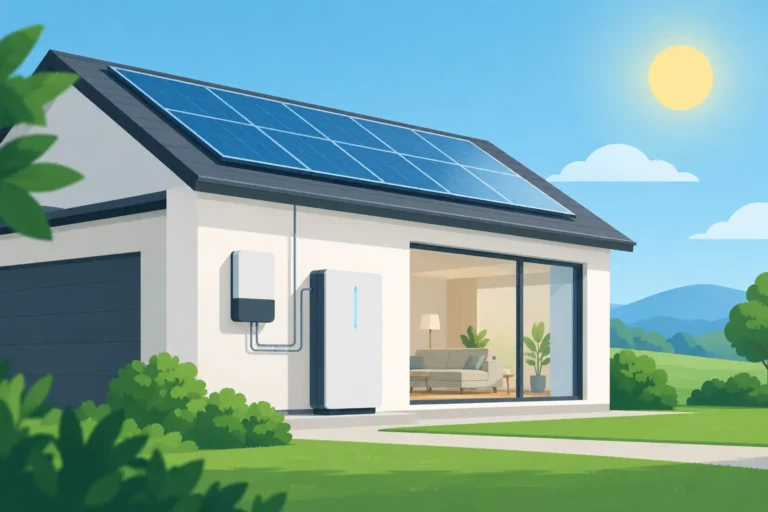
Battery storage is not essential for every commercial system. It is most useful where a business has substantial evening consumption, needs greater energy resilience, wants to reduce peak grid use or has limited export capacity.
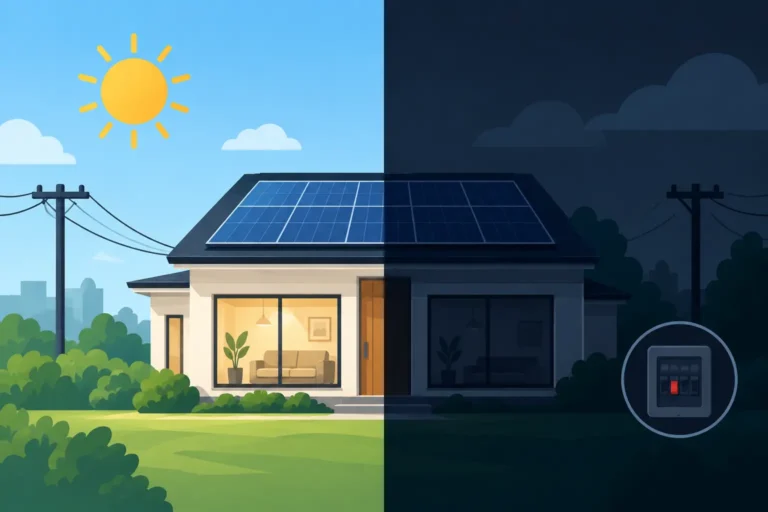
For some regional sites, backup capability can be especially valuable during outages. However, backup power needs careful planning. Not every battery system will run an entire commercial premises during a blackout, particularly where there are large motors, refrigeration loads or specialised equipment. The system needs to identify which circuits are essential and how long they need to operate.
A tailored proposal should distinguish between bill savings, backup power and full energy independence. These are different goals, and the equipment required for each can vary considerably.
Approvals, safety and installation planning
Commercial solar is a construction and electrical project as well as an energy investment. Planning reduces disruption to your staff, customers and operations.
Before installation, your provider may need to coordinate network approval, export limits, metering arrangements and any required engineering. The exact process depends on the system size, the local network and site conditions. For larger projects, approval timeframes can influence the installation schedule, so it is sensible to discuss these early.
On site, safety should be visible in the plan. This may include roof access procedures, fall protection, traffic management, work zones, electrical isolation and coordination with other contractors. A capable installer will work with you to schedule works around trading hours, deliveries, production runs or tenant access wherever possible.
Once the system is commissioned, monitoring gives you a clear view of solar production and, where configured, site consumption. It is a practical tool for checking performance, identifying changes in usage and making better decisions about future battery capacity or energy efficiency upgrades.
Questions worth asking before you commit
Before accepting a proposal, ask how the recommended system size was calculated, what consumption data was used and what export assumptions apply. Ask whether the roof or electrical infrastructure needs upgrades, what is included in the price and what could create a variation.
It is also worth asking about equipment warranties, workmanship coverage, response times for support and whether the design can be expanded later. If resilience is important, ask precisely what will remain powered during an outage rather than assuming a battery will cover the entire site.
The clearest proposal is not always the cheapest, but it is usually easier to trust. It should give you a realistic picture of costs, expected production, project timing and responsibilities from start to finish.
For NSW businesses, the best solar partner is one that treats your system as long-term business infrastructure, not a quick rooftop transaction. IMS Energy approaches each project with that practical mindset: understanding the site, selecting quality equipment and providing honest guidance so your investment is built around the outcomes that matter to your business.
A well-planned commercial solar system can make every sunny workday more valuable. Start with your power data, be clear about your goals and choose an installer prepared to design for the way your business runs.