A solar quote can look convincing on a screen: a big system size, premium-sounding panels and a promised saving figure. But knowing how to choose a solar installer is what turns those claims into a system that suits your roof, your energy use and your plans for the years ahead.
Solar is a long-term investment in your home or business. The right installer will take time to understand what you need, explain the trade-offs clearly and remain available after the panels are generating. The wrong one may leave you with an oversized system, unsuitable equipment or no practical support when a fault appears.
Start with your energy goals, not the advertised system size
Before comparing installers, be clear about what you want solar to achieve. For some households, the priority is reducing daytime electricity bills. For others, it is preparing for a battery, keeping essential loads running during an outage, or gaining more independence from rising energy prices. A business may be focused on lowering operating costs and making better use of daytime consumption.
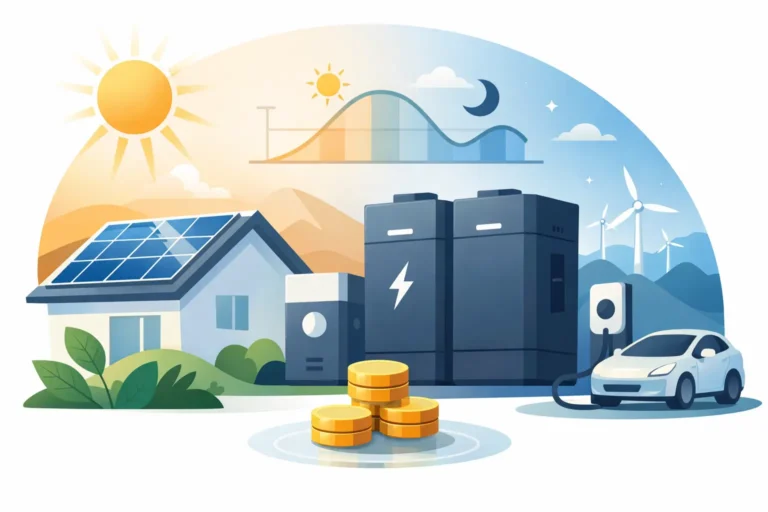
These goals affect the right system design. A large solar array is not automatically the best value if much of its generation will be exported at a low feed-in tariff. Equally, choosing the smallest possible system can limit future savings if your household is growing, you are considering an electric vehicle, or your business expects increased demand.
A good installer will ask for recent electricity bills, discuss when you use power and consider likely changes over the next five to 10 years. They should talk through battery readiness, hot water, pool pumps, heating and cooling, electric vehicles, and any equipment that uses significant power during the day. That conversation is the foundation of a tailored recommendation.
How to choose a solar installer: check credentials and experience
Solar installation is electrical work, roof work and system design in one. It requires more than a persuasive salesperson. Ask who will design the system, who will install it and whether those people are employees or subcontractors.
The installer should hold the relevant electrical licences and current accreditation required for Small-scale Renewable Energy Scheme work. Ask for licence and accreditation details, then verify them. They should also have appropriate insurance, including public liability and workers compensation cover.
Experience matters, but it needs context. An installer with a strong record of similar projects is usually better placed to identify issues before installation day. For example, a heritage-style roof, a heavily shaded block, a rural property, a complex commercial roof or an off-grid site each needs a different level of planning.
Do not be afraid to ask for examples of comparable installations or to speak with recent customers. Useful references go beyond whether the installation looked tidy. Ask whether the system performed as expected, whether communication was clear and how the company handled any questions after commissioning.
Look for a site-specific design
A remote quote can be a helpful starting point, but it should not be the final design without proper information about the property. Roof orientation, pitch, usable area, shading, switchboard capacity and cable routes can all influence system performance and installation cost.
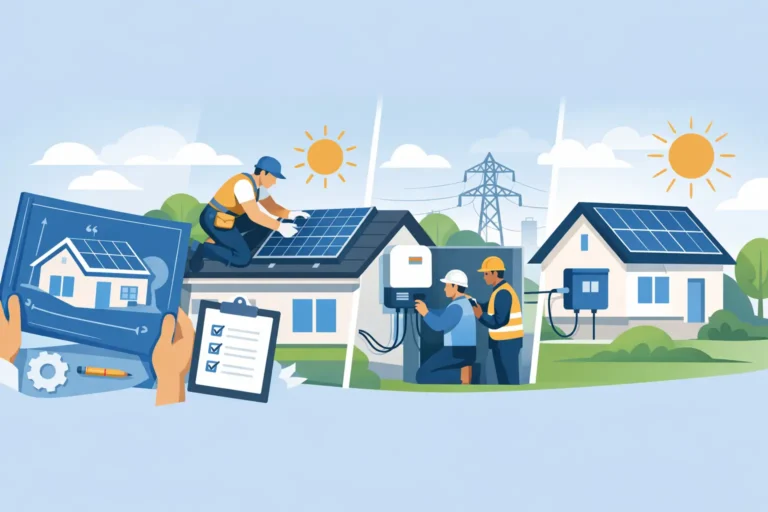
An experienced installer will assess these details through a site visit or a thorough remote assessment using imagery, photos and a clear discussion with you. They should explain where panels will sit, how shading has been considered and whether any roof, electrical or meter upgrades may be needed.
This is especially relevant across Canberra and regional NSW, where roof layouts, weather exposure and site access can vary considerably. If your property has trees, dormers, skylights or several roof faces, ask how the design has accounted for them. A thoughtful layout can be more valuable than simply fitting the maximum number of panels possible.
For commercial customers, the assessment should also consider roof condition, structural requirements, site safety, operating hours and demand patterns. If solar generation will be high when the business is closed, battery storage, load shifting or a different system size may warrant discussion.
Compare quotes by value, not just the bottom line
Two quotes with the same kilowatt figure can represent very different systems. Compare the complete proposal, not only the final price. A transparent quote should state the panel and inverter brands and models, number of panels, proposed system size, panel layout, estimated annual production and expected installation scope.
It should also make clear what is included. This may cover switchboard work, monitoring, meter coordination, paperwork for applicable incentives, scaffolding, trenching, travel, network applications and removal of old equipment. If something is excluded or subject to extra cost, it should be written plainly.
Low prices can be legitimate, but they deserve careful questions. The difference may come from lower-spec equipment, minimal allowance for electrical work, limited after-sales service or assumptions that do not suit your property. Premium equipment is not always necessary for every project either. The best option is the one that offers dependable performance, appropriate warranties and a design aligned with your budget.
Ask each provider to explain their savings estimate. Forecasts should be based on realistic electricity use and local generation assumptions, not a best-case scenario. Feed-in tariffs can change, weather varies and electricity prices move over time. Honest estimates acknowledge these variables while showing where savings are likely to come from.
Ask who supports the system after installation
Your solar system should keep working for decades, so after-sales support deserves as much attention as the installation date. There are usually several warranties involved: product warranties for panels and inverters, a performance warranty for panels, and a workmanship warranty from the installer.
Ask how long the installer guarantees their work and what happens if there is an issue. Will they inspect the system, diagnose faults, help with a warranty claim and communicate with the manufacturer? Or will you be left to chase several parties yourself?
Monitoring is another practical consideration. Most modern systems provide an app or portal that shows generation and, where suitable metering is installed, household consumption. Ask who will set it up, whether you will receive a handover, and what data you will be able to see. Monitoring makes it easier to confirm your system is performing normally and to spot faults early.
A local, established team can be particularly valuable here. Face-to-face advice and a familiar point of contact provide reassurance when you are making a significant investment, particularly for battery, backup and off-grid systems where design and support are more involved.
Be cautious of pressure and vague promises
A trustworthy solar provider will give you enough information to make a considered decision. Be wary of countdown offers, claims that a rebate will disappear immediately, or pressure to pay a deposit before you understand the design.
You should receive clear answers to practical questions: Why this system size? Why these products? What could affect the final price? What approvals are needed? What is the likely installation timeframe? What will happen if the roof or switchboard presents an unexpected issue?
It is reasonable for an installer to explain that incentive settings, product availability and network requirements can change. It is not reasonable to use that uncertainty to avoid giving you time to compare options. A quality provider will welcome informed questions because a well-informed customer is more likely to be happy with the system over the long term.
Consider batteries and backup power separately
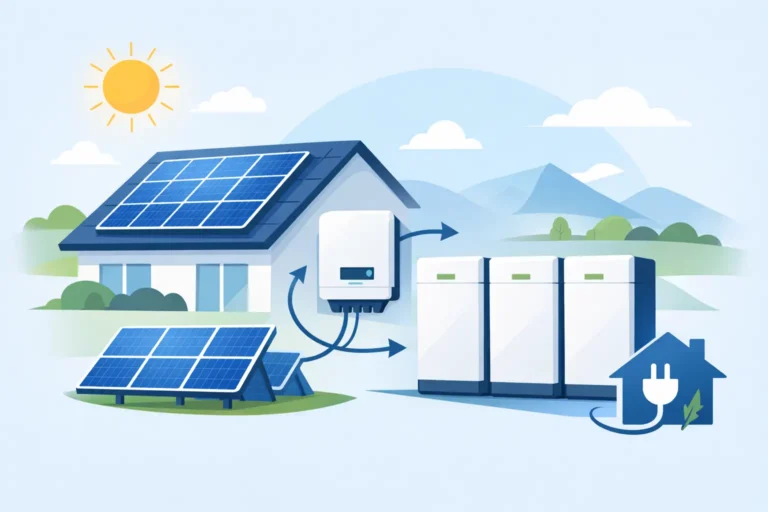
A battery can increase the amount of solar energy you use at night, but it does not automatically provide backup power during a blackout. Backup capability depends on the battery, inverter, switchboard configuration and the circuits selected for backup.
If resilience is a priority, tell the installer early. Discuss which appliances matter most, such as refrigeration, lighting, internet, medical equipment or a water pump. Backup for an entire property may be possible in some cases, but it costs more and requires careful load planning. For many homes, backing up essential circuits is the sensible balance.
Likewise, a battery is not always the first investment that delivers the strongest return. It depends on your daytime solar use, tariff structure, export rate, power needs and budget. A well-designed solar system that is battery-ready may be the right first step, provided the proposed equipment can support that future upgrade.
Take the final decision beyond the paperwork
Once you have narrowed your options, consider how each company made you feel during the process. Did they listen to your priorities? Did they explain technical points in plain language? Did the quote reflect your actual property rather than a standard package?
The best solar installer is not necessarily the one with the cheapest quote or the biggest advertised system. It is the team that combines qualified installation, quality products, clear advice and ongoing accountability. A tailored system should make your energy future simpler, not leave you with unanswered questions.
Choose a provider prepared to stand behind the work long after installation day. That is where lasting savings, dependable performance and genuine confidence begin.