Power prices have a way of creeping up quietly, then suddenly turning into the bill you dread opening. If you are wondering how to reduce power bills without making life uncomfortable, the good news is that the biggest savings usually come from a mix of better habits, smarter equipment, and a system that matches how you actually use energy.
For Australian households and businesses, there is no single fix that suits everyone. A family running air conditioning through a western Sydney summer has different needs from a regional property with a pool pump, and both are different again from a business trying to manage refrigeration, lighting and daytime equipment loads. The best approach is to look at where your power is going first, then tackle the changes that deliver the strongest return.
How to reduce power bills starts with knowing your usage
Most people underestimate how much timing matters. It is not just about how much electricity you use, but when you use it. If you are on a time-of-use tariff, running major appliances in peak periods can make the same amount of energy cost far more.
Start with your bill and look for three things: your average daily usage, the tariff type you are on, and any demand charges if you are a business customer. If your usage is high but concentrated in the evening, your strategy will be different from someone who is home during the day and can use solar generation directly.
For homeowners, the usual heavy hitters are air conditioning, hot water, pool equipment, clothes dryers and older fridges. For businesses, HVAC, lighting, machinery and refrigeration tend to dominate. Once you know the main loads, you can make decisions that are based on savings, not guesswork.
The cheapest savings usually come from behaviour first
Before looking at bigger upgrades, it is worth tightening up the day-to-day waste. These changes are simple, but together they can make a visible difference.
Heating and cooling settings matter more than most people realise. In summer, setting the air conditioner a little higher can cut consumption without making the space feel unpleasant. In winter, setting heating a little lower has the same effect. Every degree counts. It also helps to close doors to unused rooms, seal obvious draughts and use blinds or curtains properly to keep heat out in summer and in during winter.
Hot water is another quiet budget drainer. If your system is ageing or oversized for your actual needs, it may be heating more water than you use. Shorter showers, efficient showerheads and checking the system temperature can all help. If your hot water runs on electricity, it is often one of the first areas worth reviewing when looking for long-term savings.
Appliances are where habits become expensive. Running the dishwasher and washing machine with full loads, using eco modes where they work well, and air-drying clothes when possible can trim bills without much effort. At home and in business premises, lights and equipment left on after hours still add up, even when each device seems minor on its own.
Small upgrades can outperform constant penny-pinching
There is a point where trying to save money through habit alone becomes frustrating. If an appliance is inefficient, no amount of switching it off carefully will make it cheap to run.
LED lighting is one of the simplest upgrades because the payback is usually clear, especially in homes or commercial sites with older halogens or fluorescent fittings. The same goes for outdated fridges, freezers and air conditioners. Newer units are typically far more efficient, but the trade-off is upfront cost. If an appliance is still working, replacement is not always urgent. If it is old, heavily used and power-hungry, replacing it can be smarter than nursing it along.
Insulation also deserves more attention than it gets. In many Australian homes, poor ceiling insulation or gaps around doors and windows force heating and cooling systems to work much harder than necessary. That is not as flashy as buying new technology, but it can improve comfort and reduce bills at the same time.
Solar changes the equation for daytime energy use
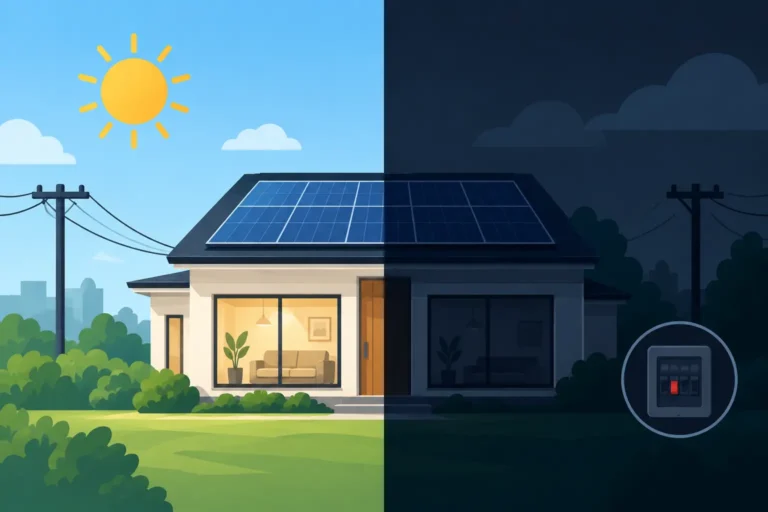
If you are serious about how to reduce power bills over the long term, solar is often where the biggest shift happens. That is because it reduces the amount of electricity you need to buy from the grid, particularly during the day when many homes and businesses are still using plenty of power.
The key is sizing the system to suit your property, usage pattern and budget. Bigger is not always better if the system is poorly matched to your needs. A household that uses most of its electricity in the evening may still benefit from solar, but the savings profile will differ from a business operating through daylight hours, where self-consumption can be much stronger.
This is where tailored design matters. Roof layout, shading, future usage plans, battery readiness and local conditions all influence what a system will actually deliver. In Canberra and across NSW, for example, site conditions can vary a lot between metro and regional properties. A good design accounts for that rather than treating every roof the same.
For many customers, the real value of solar is not just lower bills this quarter. It is the ability to create more predictable energy costs over time. That matters when retail electricity prices remain uncertain.
Batteries can help, but they are not right for everyone
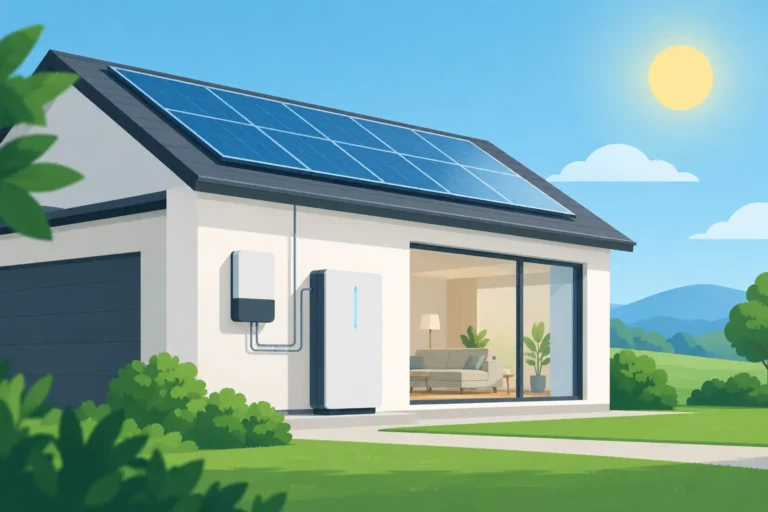
Battery storage is appealing because it lets you use more of your own solar later in the day, when grid power is often most expensive. It can also improve resilience during outages if configured for backup.
That said, batteries are not an automatic fit for every property. The value depends on your evening consumption, tariff structure, solar output and the reason you want storage in the first place. If your main goal is bill reduction, the numbers need to stack up. If energy independence and backup matter just as much, the value proposition is broader.
For some households and businesses, battery storage meaningfully improves the return on a solar system. For others, it may make more sense to install solar first and add a battery later. Honest advice is important here, because a battery should solve a real energy need, not just look good on paper.
Tariffs and smart controls can quietly save a lot
One of the most overlooked answers to how to reduce power bills is choosing the right electricity plan and using smart controls properly. Many customers stay on an unsuitable tariff simply because they have never reviewed it.
If your retailer offers time-of-use pricing, load shifting can be valuable. Running pool pumps, charging equipment, or scheduling appliances for solar hours or off-peak periods can lower costs without reducing usage. Smart timers and energy management tools make this easier, particularly for businesses or larger homes with several major loads.
However, tariffs are not universally better just because they sound more modern. A time-of-use plan can backfire if most of your consumption happens during peak times and you cannot realistically change it. Flat tariffs may still suit some customers better. The right answer depends on your actual pattern of use.
Businesses need a different lens on savings
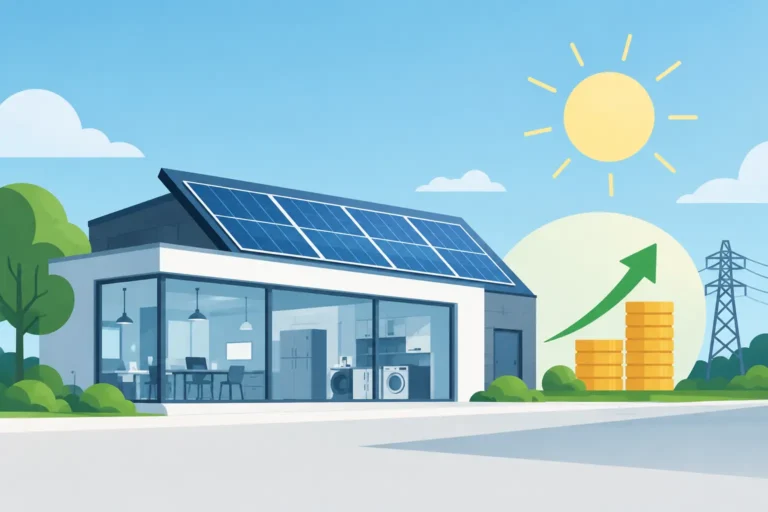
Commercial power bills are often affected by more than just energy consumption. Demand charges, operating hours and equipment start-up loads can all influence costs. That means businesses should look beyond the bill total and assess how the site behaves across the day.
A café, workshop, office and cold storage facility will all have different opportunities. Some gain the most from daytime solar offset. Others need efficiency upgrades first, or better control over HVAC and lighting schedules. The strongest results usually come from looking at the site as a whole rather than trying isolated fixes.
For businesses with a visible sustainability goal, lowering power costs can also support brand value. Customers increasingly notice when businesses invest in cleaner, smarter infrastructure, but the commercial case still needs to be grounded in practical returns.
Start with the changes that fit your property
The most effective way to cut electricity costs is usually staged, not dramatic. Tighten daily usage, address waste, upgrade obvious problem areas, then consider solar or storage based on how your home or business actually runs. A tailored plan will nearly always outperform a generic one.
If you are comparing options, focus on what will save money in your situation over the next five to ten years, not just what sounds impressive now. The right setup should feel clear, well-matched and realistic.
Lower power bills are rarely about doing one thing perfectly. They come from making a series of sound decisions that work together, so your energy system starts working harder for you instead of against you.