A power bill lands in your inbox, and it is higher again. That is usually the moment people stop asking whether solar is interesting and start asking the real question: is solar worth it?
For many Australian households and businesses, the answer is yes – but not for exactly the same reasons, and not in every situation. Solar can cut electricity costs, reduce reliance on the grid and improve energy resilience. At the same time, the value you get depends on how much power you use, when you use it, the size of the system, your roof layout and whether the system is designed properly from the start.
Is solar worth it in Australia?
Australia is one of the best places in the world for solar, simply because we have strong sunlight and high electricity prices. That combination matters. The more expensive grid power becomes, the more valuable each unit of solar energy is when you use it in your home or business.
That said, solar is not a magic fix. A well-designed system can deliver strong long-term savings, but a cheap, poorly matched system can underperform for years. The question is less about whether solar works, and more about whether the right system works for your property and usage habits.
For most owner-occupiers with decent roof space and daytime energy use, solar stacks up well. For businesses that operate during daylight hours, the case is often even stronger because more of the solar generation is used on site rather than exported back to the grid at a lower feed-in tariff.
What actually makes solar worth it?
The biggest factor is self-consumption. In plain terms, that means how much of your solar power you use yourself as it is generated. Using your own solar power is usually where the best savings come from, because it offsets electricity you would otherwise buy at retail rates.
If your household is empty all day and most of your energy use happens at night, savings can still be worthwhile, but they may be lower unless you add battery storage or shift some usage to the daytime. Running appliances like the dishwasher, pool pump, hot water system or washing machine during solar production hours can improve the return.
Roof suitability also matters. North-facing roofs are excellent, but east and west can still perform very well, especially if they better match your usage pattern. Shade from trees, neighbouring buildings or roof structures can reduce output, though this can often be managed through careful panel placement and inverter design.
Then there is system sizing. Too small, and you leave savings on the table. Too large, and you may export more than you would like for a lower return. The best result usually comes from a tailored design based on your actual usage, not a one-size-fits-all package.
The numbers behind the decision
Most people want to know one thing: how long until the system pays for itself?
Payback periods vary, but many Australian households see returns in roughly three to seven years, depending on system cost, available incentives, electricity rates and usage habits. Businesses can sometimes see even faster payback where daytime demand is high.
After that payback period, the system can continue producing value for many years. Quality solar panels commonly carry long performance warranties, and a properly installed system can keep delivering savings well beyond the initial return period.
This is why upfront price should never be the only measure. A cheaper system that generates less power, uses lower-grade components or is not suited to the site may cost more in the long run. Good solar is a long-term asset. The design, equipment quality and installation standard all affect what that asset is worth over time.
Is solar worth it with low feed-in tariffs?
This is one of the most common concerns, and it is a fair one. Feed-in tariffs are not as generous as they once were, so exporting excess solar to the grid is less lucrative than it used to be.
But that does not mean solar no longer makes sense. It simply changes the strategy. Solar is now most valuable when it helps you avoid buying expensive electricity from the grid, rather than relying on exports as a major source of return.
That shift is why tailored design matters so much. A system should be sized around your load profile, not just your roof area. If you can use more of what you generate, low feed-in tariffs become much less of a problem.
Where batteries fit into the picture
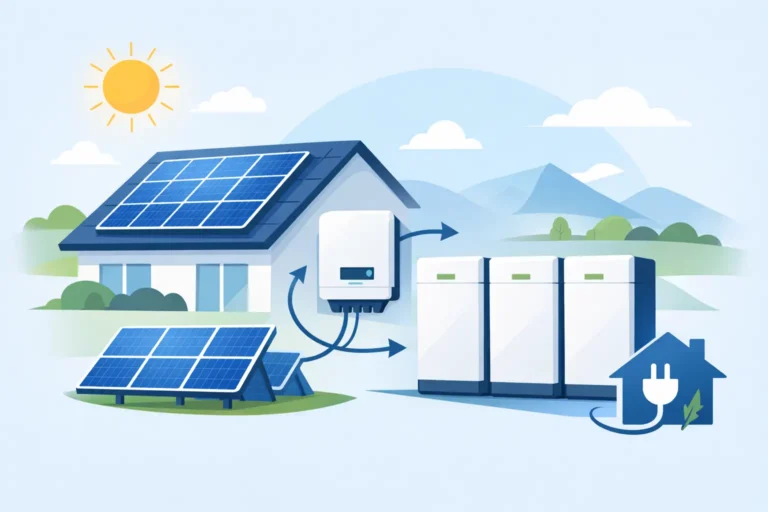
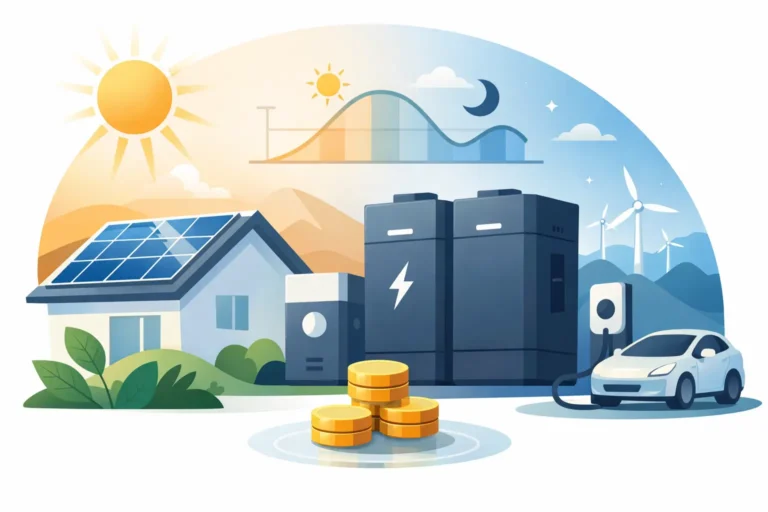
Batteries can make solar more useful by storing excess daytime generation for use at night, during peak tariff periods or during outages if the system is configured for backup. For some homes and businesses, that added control is very appealing.
Financially, batteries are more nuanced than solar panels alone. In many cases, a battery improves energy independence and resilience more clearly than it improves short-term payback. That does not make it a bad investment. It just means the value is not only about dollars saved.
If you live in an area with unreliable grid power, want backup capability, or use a lot of power after sunset, a battery may be well worth considering. If your main goal is the fastest return on investment, solar panels first often make the strongest case.
When solar may not be worth it
Honest advice matters here. Solar is not automatically the right choice in every case.
If your roof is heavily shaded for most of the day, the economics can be weaker. If you are planning to move very soon, you may not stay long enough to enjoy the full financial benefit. If you have very low electricity use, savings may be more modest than expected.
For some properties, switchboard upgrades, roof works or other electrical changes can add to the upfront cost. That does not always rule solar out, but it can affect the return.
This is why a proper site assessment is so important. A good solar provider should be upfront about limitations, not just talk about best-case results.
Is solar worth it for businesses?
For many businesses, yes – and often for straightforward reasons. Daytime trading hours align well with solar production, which means more of the generated energy is used on site. That can reduce operating costs in a very visible way.
Commercial solar can also support broader business goals. It can strengthen sustainability credentials, help manage energy cost volatility and show customers that the business is investing in smarter infrastructure.
The key is again in the detail. A warehouse, office, retail site, farm or industrial premises will all have different load patterns and design considerations. The right commercial system should reflect how the site actually runs, not just how much roof space is available.
The difference between a quote and a proper solution
A lot of solar disappointment starts with a rushed quote. The system looks affordable, the estimated savings look impressive, and only later does the owner realise the design never truly matched the property.
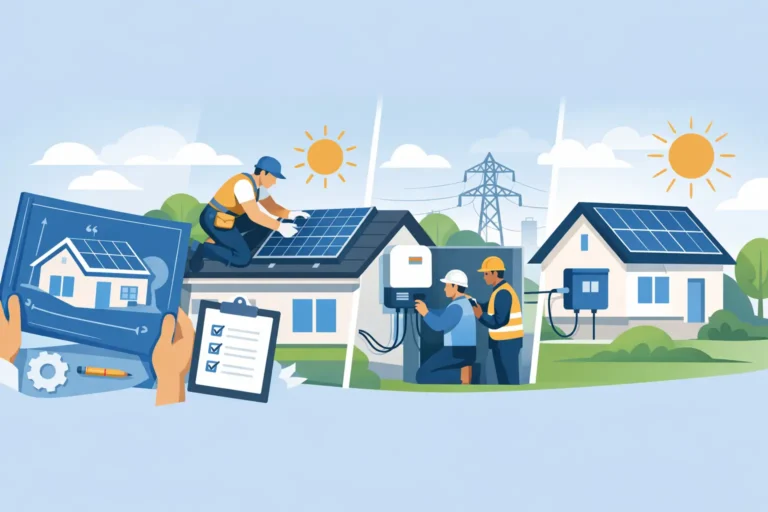
A proper solar solution takes more into account: past energy bills, tariff structure, usage timing, roof orientation, shading, future electricity needs and whether battery integration may make sense later. It should also consider the quality of the inverter, panel performance, installation standards and long-term service support.
That is where experienced, hands-on guidance makes a real difference. Solar is worth more when it is planned as part of your wider energy future, not treated as a quick commodity purchase.
So, is solar worth it for you?
If you own your property, pay meaningful electricity bills and have a suitable roof, solar is often one of the more practical upgrades you can make. It can lower ongoing costs, improve your control over energy and add long-term value to the property.
If you are in Canberra or across New South Wales, local conditions, tariff structures and network requirements can all influence the best system design. That is why clear, tailored advice matters more than broad averages.
The best next step is not guessing. It is looking at your actual energy use and running the numbers against a system designed for your site. A good installer will tell you where solar makes strong financial sense, where battery storage adds value, and where expectations should be tempered.
Solar is usually worth it when the system fits the property, the usage and the long-term goal. If you start there, the decision becomes a lot clearer.