A power bill that keeps creeping up tends to focus the mind pretty quickly. For many Australian households, the real question is not whether solar sounds like a good idea in theory, but is residential solar cost effective when you look at your own roof, usage habits and budget.
The honest answer is yes, often it is – but not for exactly the same reason in every home. Solar can deliver strong long-term value, but the numbers depend on how much electricity you use during the day, the size and orientation of your roof, the quality of the system and what you are paying for grid power now.
Is residential solar cost effective for most homes?
For a large number of Australian households, residential solar is cost effective because it can reduce reliance on expensive grid electricity over many years. When a system is sized properly and installed well, the savings can be meaningful from the first full billing cycle.
That said, solar is not a magic product where every house gets the same result. A family running air conditioning, pool equipment or working from home during daylight hours will usually see stronger returns than a household that is empty all day and uses most of its energy at night. The economics improve when more of the solar energy is used on site rather than exported back to the grid for a lower feed-in tariff.
This is where tailored system design matters. A cheaper system that is poorly matched to your home can end up costing more in lost performance, while a quality system designed around your usage can produce better value over the long term.
What makes solar financially worthwhile?
The biggest driver is the gap between what you pay for imported electricity and what you receive for exported solar. In many parts of Australia, retail electricity rates are far higher than feed-in tariffs. That means the best financial outcome usually comes from self-consuming your solar power during the day.
If your household can run appliances such as the dishwasher, washing machine, hot water system or pool pump while the sun is up, your solar savings improve. Homes with daytime occupancy often perform particularly well because they naturally use more solar generation as it happens.
System quality also matters. Reliable panels, inverters and battery-ready design can affect output, durability and maintenance costs. A lower upfront price can be tempting, but if the system underperforms or fails early, the payback period stretches out. Cost effectiveness is not just about purchase price – it is about value delivered over the life of the system.
Government incentives also play a role. Upfront rebates and small-scale technology certificates help reduce the initial cost of installation, which shortens the time it takes to recover your investment. These incentives have made solar more accessible and improved the financial case for homeowners across the country.
The main costs to weigh up
When people ask whether solar is worth it, they are usually comparing one visible cost – the installation quote – against a stream of future savings that can feel less certain. That is understandable. A solar system is a significant household investment, and most people want confidence before committing.
The upfront cost depends on system size, roof complexity, panel and inverter brand, switchboard requirements and whether you include battery storage. A straightforward grid-connected system without a battery will usually have a lower entry cost and faster payback than a more advanced setup.
There can also be indirect costs to factor in. Roof repairs may need to be done before installation. In some homes, meter upgrades or electrical works are required. These are not reasons to avoid solar, but they are part of getting a realistic picture of the investment.
Payback period – the number most homeowners care about
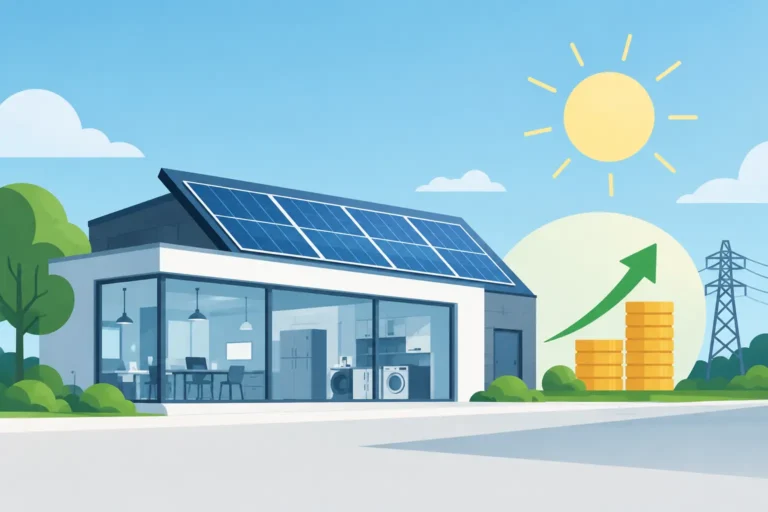
For most households, the key financial measure is payback period. In simple terms, that is how long it takes for bill savings to cover the upfront cost of the system.
In Australia, many well-designed residential solar systems can pay for themselves in roughly four to eight years, depending on usage patterns, electricity prices, location and system quality. Some homes do better than that. Others take longer. A home with strong daytime consumption, good sun exposure and rising retail power prices may see a quicker return than average.
What happens after payback is where solar often becomes especially attractive. Once the system has effectively covered its own cost, the electricity it continues to generate can deliver years of ongoing bill reduction. That long operating life is one reason solar remains appealing even when households are cautious about the initial spend.
Is residential solar cost effective with a battery?
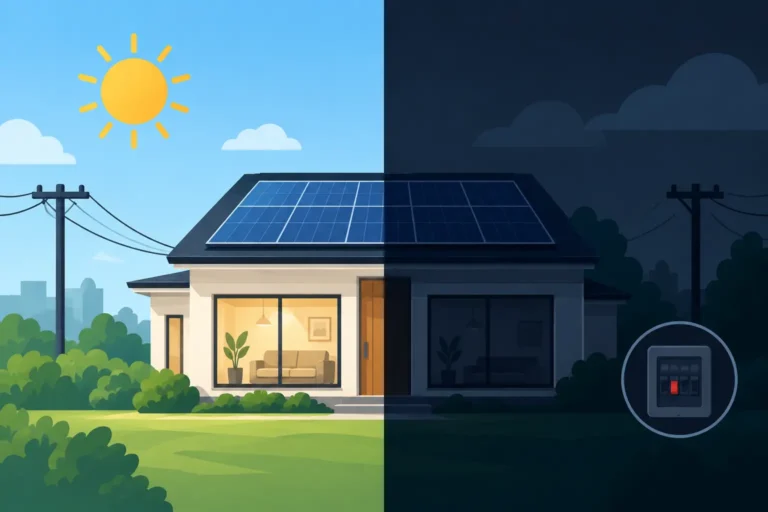
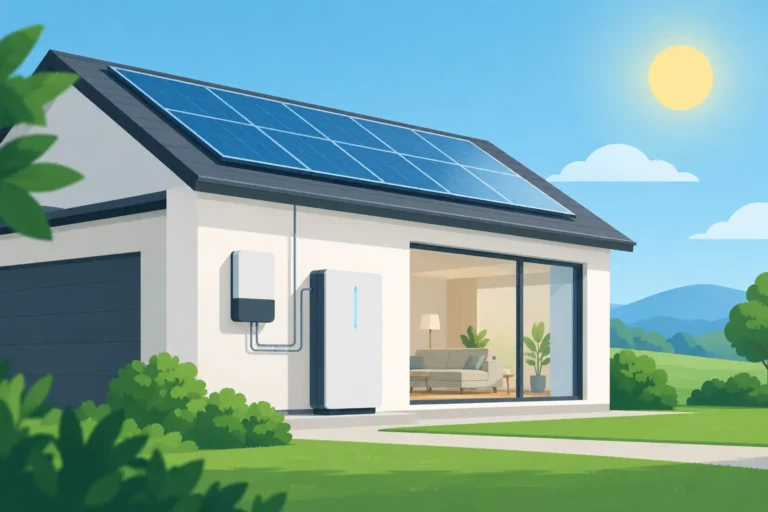
This is where the answer gets more nuanced. A battery can increase energy independence, provide backup capability in some setups and help you use more of your own solar power after sunset. But purely on payback alone, batteries are not always as straightforward as solar panels themselves.
For many homeowners, solar without a battery still offers the strongest financial return in the short to medium term. Batteries add cost, and whether they are cost effective depends on your evening energy use, tariff structure, blackout concerns and how much value you place on resilience.
If your priority is the fastest possible return on investment, a standard solar system may be the stronger starting point. If your priority includes backup power, greater control over energy use and reduced grid reliance, a battery may still make good sense. It depends on what value means for your household.
A tailored assessment is important here. Some homes are very battery-suited. Others are better off installing solar first and adding battery storage later when the timing is right.
When solar may be less cost effective
Solar is not automatically the right fit in every situation. Heavy shading, limited roof space, poor roof orientation or very low daytime electricity use can reduce the financial upside. That does not always rule solar out, but it can change the size of system that makes sense or extend the payback period.
Homes where occupants are away all day and use most power at night may need a more considered approach. In those cases, load shifting, hot water timing or battery integration can improve results, but the system still needs to be designed around actual usage rather than assumptions.
There is also the issue of short-term ownership. If you plan to move soon, the value of solar may depend partly on whether buyers in your market recognise and pay for an existing system. Many do see solar as a positive, but the return may not show up in exactly the same way as long-term bill savings.
Why custom design matters more than headline pricing
One of the biggest mistakes homeowners can make is treating solar like a commodity. Two systems with similar advertised sizes can perform very differently depending on panel placement, inverter choice, roof angles, shading analysis and whether the system has been designed for your household’s load profile.
That is why honest guidance matters. A provider who looks at your usage, roof layout, future plans and budget can help you avoid overcapitalising or underbuilding. There is no benefit in paying for capacity you will rarely use, and there is also no benefit in installing a system so small that it leaves obvious savings on the table.
At IMS Energy, this tailored approach is central to making solar feel like a confident investment rather than a guess. Good design protects both performance and value.
The long-term view on rising electricity prices
Another reason residential solar can be cost effective is that it helps hedge against future electricity price increases. If grid power keeps getting more expensive, every kilowatt-hour your system generates for your home becomes more valuable.
This is one of solar’s strongest advantages. The savings are not locked to today’s market conditions alone. Over time, households that produce some of their own electricity are less exposed to retail price shocks than homes that rely entirely on the grid.
That does not mean solar removes all energy costs. You will still have supply charges and may still import electricity at certain times. But reducing the volume of power you need to buy can make a noticeable difference, especially over the life of the system.
So, is it worth it?
For many Australian homeowners, yes. Residential solar is often cost effective because it turns unused roof space into long-term bill savings, with the best results coming from a system designed around how you actually live.
The key is to avoid one-size-fits-all thinking. The right answer depends on your roof, your power bills, your daytime usage, your future plans and whether you want battery storage now or later. When those details are properly assessed, solar moves from being a broad idea to a practical financial decision.
If you are weighing it up, the most useful next step is not chasing the cheapest advertised system. It is getting clear, tailored advice on what your home can realistically produce and save – because that is where cost effectiveness stops being a theory and starts becoming measurable.