A solar quote is only as useful as the information behind it. Two neighbouring homes can have very different outcomes from solar because their daytime energy use, roof layout, switchboard condition and future plans are different. Knowing how to prepare for solar means looking beyond panel count and asking what your property needs to save money and stay useful for years to come.
For homeowners and businesses, a little preparation helps turn solar from a big purchase into a well-planned energy investment. It also makes it easier to compare proposals fairly and have a productive conversation with your installer.
Start with your electricity use, not the size of the roof
Your electricity bills tell an important story. Gather at least 12 months of bills if possible, including summer and winter periods. Look for your total usage in kilowatt-hours, your daily average, the supply charge, and whether you are on a time-of-use tariff.
The key question is when you use electricity, not just how much. A household where someone works from home, runs air conditioning during the day or charges an electric vehicle in daylight may use a large share of its solar generation directly. A home that is empty from morning until late afternoon may benefit from a different system design, load shifting or a battery-ready approach.
For a business, consider operating hours, major equipment and seasonal demand. A workshop, office, farm operation or retail site may have strong daytime consumption that suits solar particularly well. On the other hand, a site with high evening use may need a closer look at battery storage, tariffs and demand management.
Do not rely on one unusually high or low bill. Annual usage gives a more honest picture and reduces the risk of installing a system that is too small for your needs or oversized for the way you actually use power.
Think ahead before you choose solar
Solar systems are built to last, so your plans for the next five to 10 years matter. A growing family, a pool, new air conditioning, induction cooking, an electric hot water system or an EV can all change your electricity needs significantly.
It is often sensible to plan for these changes from the beginning. That does not always mean installing the largest possible system immediately. It may mean choosing an inverter with suitable capacity, reserving switchboard space, or designing the array so extra panels can be added later where practical.
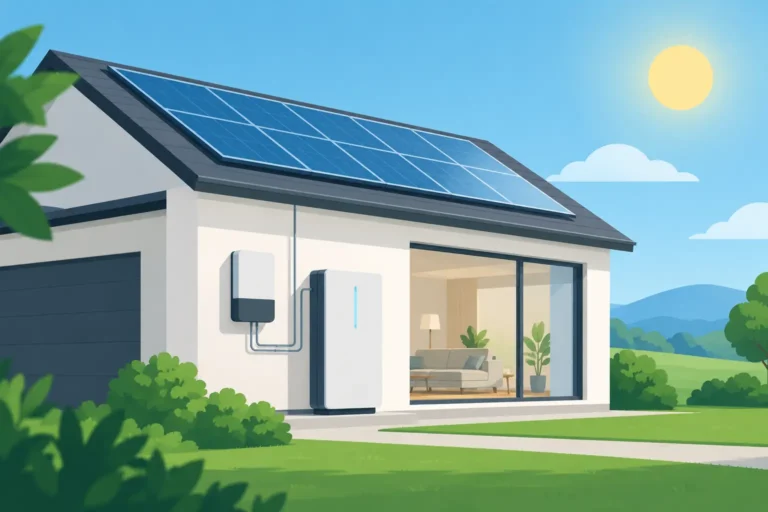
Battery storage is another decision best considered early. Some customers want a battery now for greater self-sufficiency and backup capability. Others prefer a battery-ready system and wait until their usage, budget or available products make the timing right. There is no universal answer. The right choice depends on your evening consumption, tariff, resilience priorities and the type of backup you expect during an outage.
Be clear about backup power expectations
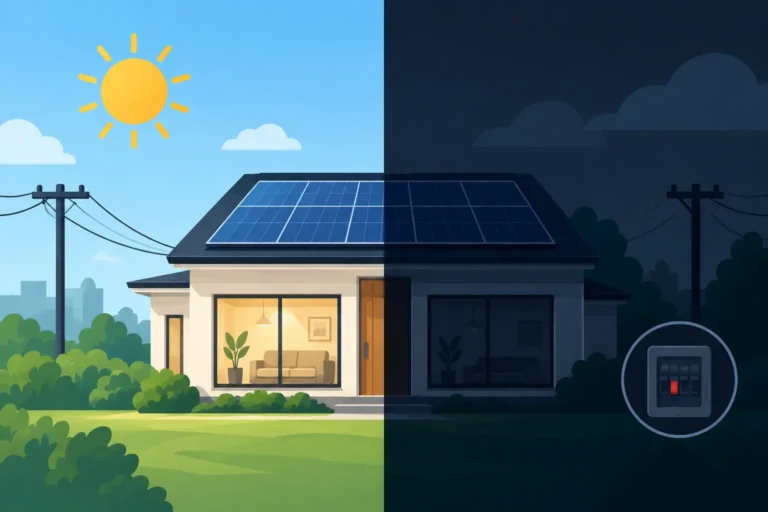
A battery does not automatically power every appliance when the grid goes down. Backup arrangements need to be specifically designed. You may choose to support essential circuits such as lighting, refrigeration, internet, selected power points and a garage door, rather than high-demand equipment like ducted air conditioning or an electric oven.
If reliable power is critical for medical equipment, refrigeration, remote work or a regional property, raise this early. An honest system design should set clear expectations about what will run, for how long and under what conditions.
Check the roof before solar design begins
A good roof is one of the foundations of a good solar installation. You do not need to be a roofing expert, but it helps to identify obvious issues before requesting quotes. Look for ageing materials, cracked tiles, visible rust, leaks, heavy shade, roof access limitations or planned repairs.
If your roof is nearing the end of its useful life, reroofing before solar may be the better investment. Removing and reinstalling panels later adds cost and disruption. Similarly, if you are planning an extension, skylight, roof vent or second storey addition, mention it before the solar layout is finalised.
Orientation matters, but it is not as simple as saying north-facing is always best. North-facing panels can generate strongly across the day, while east and west panels can better match morning and afternoon demand. A tailored layout may use more than one roof face to spread production over the hours when your household or business consumes energy.
Shade also deserves careful attention. Trees, chimneys, neighbouring buildings, antennas and roof structures can affect output, particularly at certain times of day or year. Avoid cutting down healthy trees simply to chase marginal gains. A quality site assessment can determine whether a different panel placement or system design provides a better balance.
Review your switchboard and electrical setup
Solar connects to your existing electrical system, so the switchboard needs to be safe, compliant and suitable for the proposed work. Older homes may have outdated components, limited room for new protection devices or wiring that requires attention.
Your installer should assess the switchboard rather than treating it as an afterthought. If upgrades are needed, they should be explained clearly in the proposal. While this can add upfront cost, it is usually money spent on safety and a cleaner long-term installation.
It is also helpful to identify other electrical work you may want to coordinate. Upgrading to three-phase power, installing an EV charger, replacing an electric hot water system or adding battery backup can be easier to plan together than as separate projects. The final scope still depends on the property and local network requirements, but early planning reduces surprises.
Prepare the practical details for your site visit
A site visit allows an installer to check what online imagery and electricity bills cannot show. Make access to the switchboard, meter and roof areas as straightforward as possible. If there are locked gates, dogs, steep driveways, fragile ceilings or access restrictions, let the team know beforehand.
For an accurate discussion, have these details ready:
- Recent electricity bills covering different seasons
- Your retailer and current electricity tariff, if known
- Photos or notes about the roof, switchboard and any shading concerns
- Details of planned appliances, renovations or electric vehicle purchases
- Your priorities, whether that is bill reduction, backup power, battery storage, off-grid capability or environmental impact
If you are a tenant, strata owner or operate from a leased commercial site, confirm who can approve the installation before the design is finalised. Businesses should also consider whether installation timing needs to avoid busy trading periods, safety-sensitive operations or customer access areas.
Compare proposals on value, not panel numbers alone
Solar proposals can look similar at first glance, even when the systems are designed very differently. Comparing only the total price or number of panels can lead to a decision you regret later.
Ask what equipment is proposed and why it suits your property. Look at panel and inverter quality, warranty terms, monitoring capability, system layout, workmanship, expected generation and any switchboard or meter work included. If a battery is involved, ask what backup circuits are included and whether the quoted capacity matches your evening use.
Savings estimates should be treated as estimates, not guarantees. Weather, shading, electricity prices, export arrangements and changing household habits all affect actual results. A trustworthy provider will explain the assumptions rather than promising a figure that sounds too good to be true.
For homes across Canberra and NSW, network rules and connection processes can vary by location. An experienced installer can guide you through the practical requirements and make sure the system is designed with your local conditions in mind.
Choose a partner who asks good questions
The best solar conversations are not rushed. A provider should ask about your bills, roof, future plans and expectations before recommending a system. They should also be willing to explain the trade-offs in plain language.
IMS Energy takes this tailored approach because premium equipment performs best when it is matched to the property and the people using it. The goal is not simply to place panels on a roof. It is to create a dependable energy solution that supports lower power bills, cleaner electricity and greater confidence in how you use energy.
Solar preparation does not need to be complicated. Start with your bills, be honest about how you live or operate, and share your future plans early. That gives you the strongest foundation for a system that keeps delivering value long after installation day.